 Sodate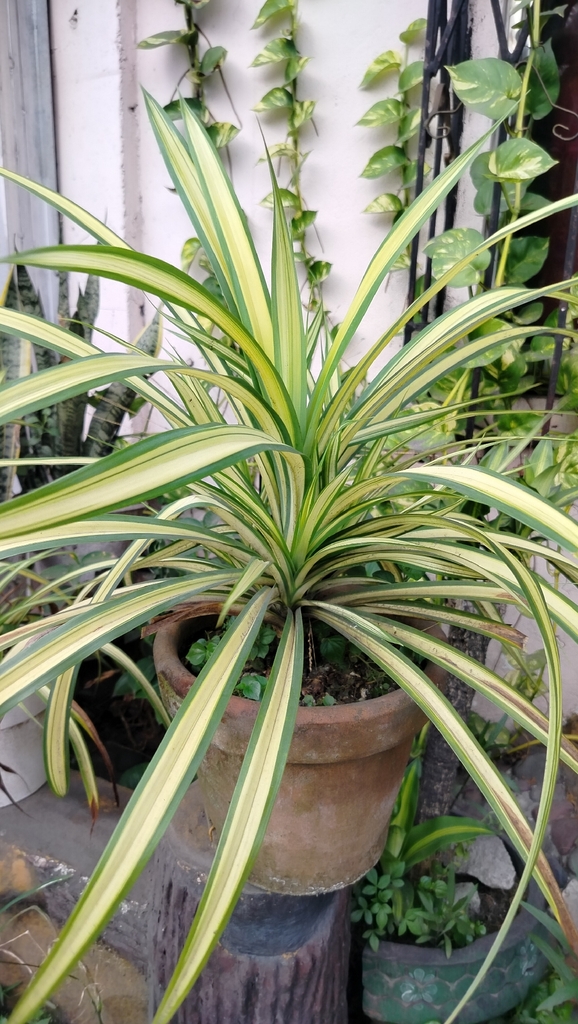
On this page
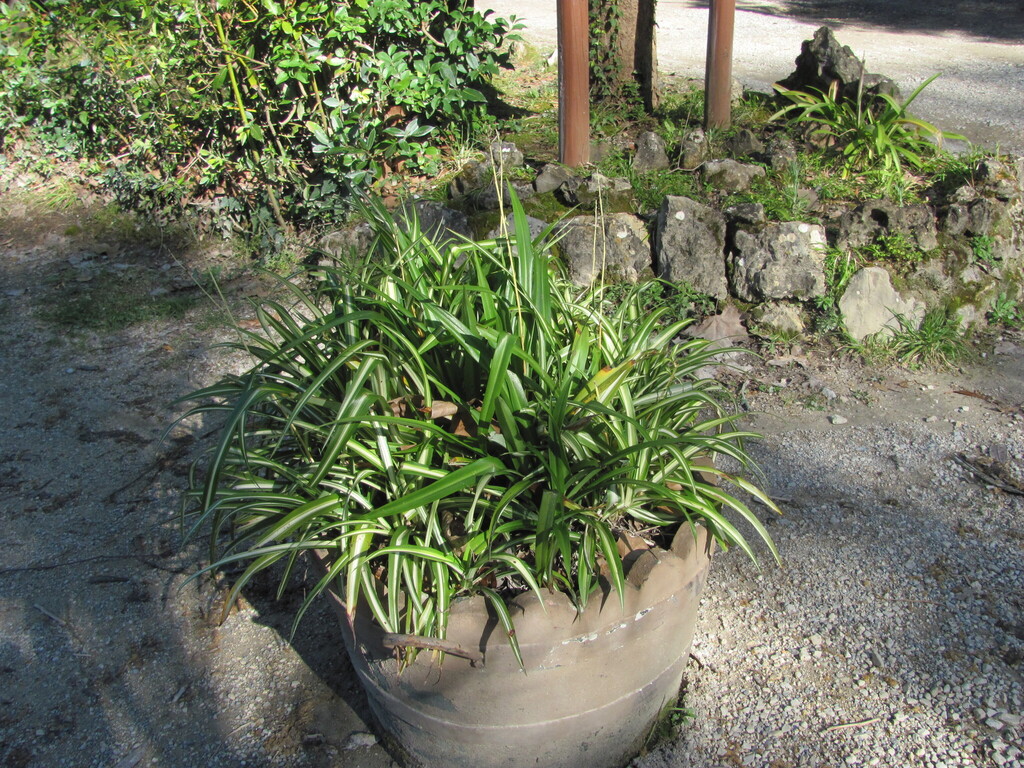
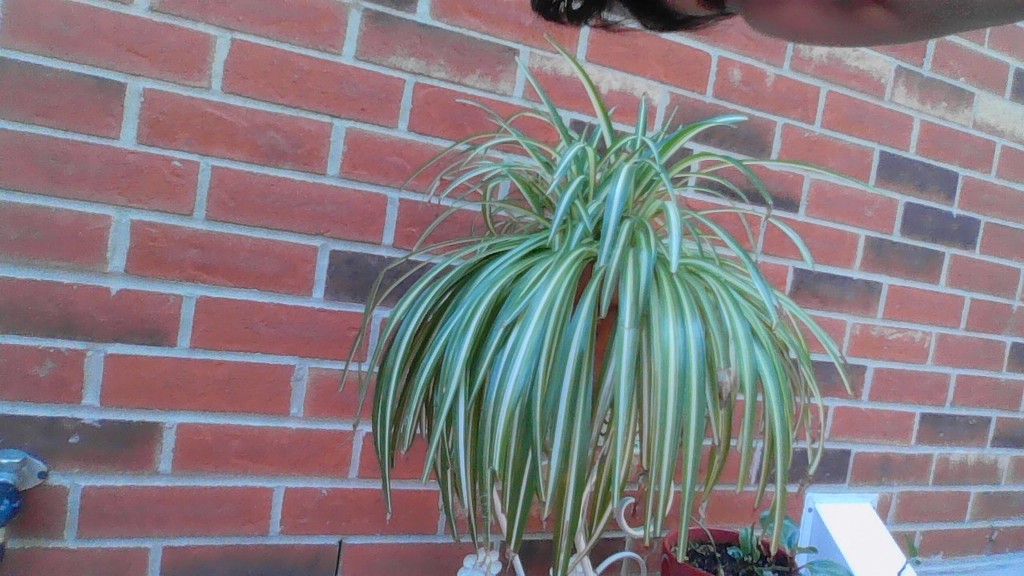
Spider plant is pet-safe, tolerant of neglect, and multiplies itself. Mature plants send out runners covered in ready-to-root plantlets. Water weekly-ish, give bright indirect light, and use filtered water if you see brown tips (it's sensitive to fluoride). Typically costs $8-$20, and one plant supplies endless free copies.
Key facts
- Native to southern Africa, growing as forest-floor and riverbank groundcover.
- Baby plantlets (spiderettes) form on long arching runners after flowering and root readily, one plant becomes dozens.
- One of the few genuinely pet-safe classics, though its mild hallucinogenic appeal to cats means they chew it anyway. Grow it hanging out of reach to protect the plant, not the cat.
- Sensitive to fluoride in tap water, the usual cause of its trademark brown leaf tips.
Care requirements#
| Plant type | Indoor (outdoor groundcover in USDA 9-11) |
| Growing medium | General well-draining potting mix |
| Light needs | Bright, indirect light ideal; tolerates medium light; direct sun scorches |
| Water frequency | Every 5-8 days; let the top few centimeters dry between waterings |
| Humidity | Any household humidity |
| Temperature range | 13-27°C (55-80°F); tolerates cool rooms well |
| Fertilizer | Balanced liquid feed monthly in spring-summer; overfeeding reduces plantlet production |
| Soil pH | 6.0-7.2 |
| Drainage needs | Moderate-high; fleshy roots store water and rot in soggy soil |
| Pot recommendation | Hanging baskets showcase runners; slightly snug pots trigger more plantlets |
| Hardiness zone (outdoor) | USDA 9-11 |
| Toxicity | Non-toxic to cats and dogs |
Growth & propagation#
| Mature size | 30-45cm tall, runners trailing to 90cm+ |
| Growth rate | Fast |
| Propagation methods | Plantlets rooted in water or soil (even while still attached); division of the parent |
| Propagation difficulty | Among the easiest of all houseplants. Plantlets often have starter roots already |
| Repotting schedule | Every 1-2 years; thick water-storing roots crack pots when badly rootbound |
| Pruning needs | Trim brown tips cosmetically; cut runners to redirect energy to the parent |
Common problems & troubleshooting#
| Symptom | Likely cause | Fix |
|---|---|---|
| Brown leaf tips | Fluoride/chlorine in tap water, or fertilizer salt buildup | Switch to filtered/rain water and flush the soil every couple of months; trim tips at an angle |
| No plantlets | Plant too young, pot too roomy, or light/photoperiod insufficient | Give it bright indirect light, a slightly snug pot, and time. Plantlets follow flowering on mature plants |
| Faded stripes | Insufficient light | Move brighter; variegation intensity tracks light |
| Mushy base, collapsing leaves | Overwatering rotting the fleshy roots | Let soil dry, repot in fresh mix if needed |
Never guess when to water this again
Sodate reads your actual light and season, then builds this plant's watering quests around them, not a fixed schedule.
Seasonal care#
Varieties & cultivars#
| Variety | Distinguishing trait | Note |
|---|---|---|
| 'Variegatum' | White leaf margins, green center | The most common form |
| 'Vittatum' | White central stripe, green margins | Reverse variegation |
| 'Bonnie' | Curled, corkscrew leaves | Compact curly form |
| Solid green | No variegation, deeper green | Toughest in low light |
Buying checklist#
- Full crown of arching leaves with crisp variegation
- Only minor tip browning at most
- Firm base with no mushiness at the soil line
- Runners or plantlets already forming are a bonus
Pricing by region#
| Region | Price range | Typical unit | Basis |
|---|---|---|---|
| US | $8 – $20 | 6in pot or hanging basket | Big-box + nursery retail |
| UK | $6 – $16 | 13cm pot | Garden centre retail |
| India | $1 – $4 | 6in pot | Urban nursery retail |
| Australia | $8 – $18 | 140mm pot | Nursery + garden centre |
| Canada | $8 – $19 | 6in pot | Garden centre retail |
USD figures are approximate conversions for comparison; switch the dropdown to see each region's actual local-currency listing price.
Often confused with#
Where it's actually grown#
Spider plants are so prolific that commercial production barely needs propagation infrastructure. Growers root plantlets by the thousand in Florida, Central America, and Asia, and an enormous share of home spider plants trace to friend-shared plantlets rather than any store.
Import & biosecurity restrictions#
| Region | Note |
|---|---|
| Australia | Live plant imports restricted under biosecurity law; abundant domestic supply. |
| US | Domestic sale unrestricted. |
| UK | No specific restriction; grown as a houseplant. |
| India | No restriction; very common and cheap domestically. |
| Canada | CFIA permits required for commercial imports. |
Similar plants
Ranked in these guides
Did you know?
Frequently asked questions
Is spider plant safe for cats?
Yes, it's non-toxic. Though cats are famously attracted to chewing it, so hanging it out of reach protects the plant.
Why does my spider plant have brown tips?
Usually fluoride or chlorine in tap water, or fertilizer salt buildup. Switch to filtered or rain water and flush the pot occasionally.
How do I get my spider plant to make babies?
Maturity, bright indirect light, a slightly snug pot, and natural day-length cycles. Plantlets follow the small white flowers on runners.
How much does a spider plant cost?
A standard 6-inch pot or hanging basket runs $8-$20 in the US. Or free, from anyone who owns one.
How do I root spider plant babies?
Set a plantlet on moist soil or in water, with or without cutting it from the runner, and it roots within 1-2 weeks.