 Sodate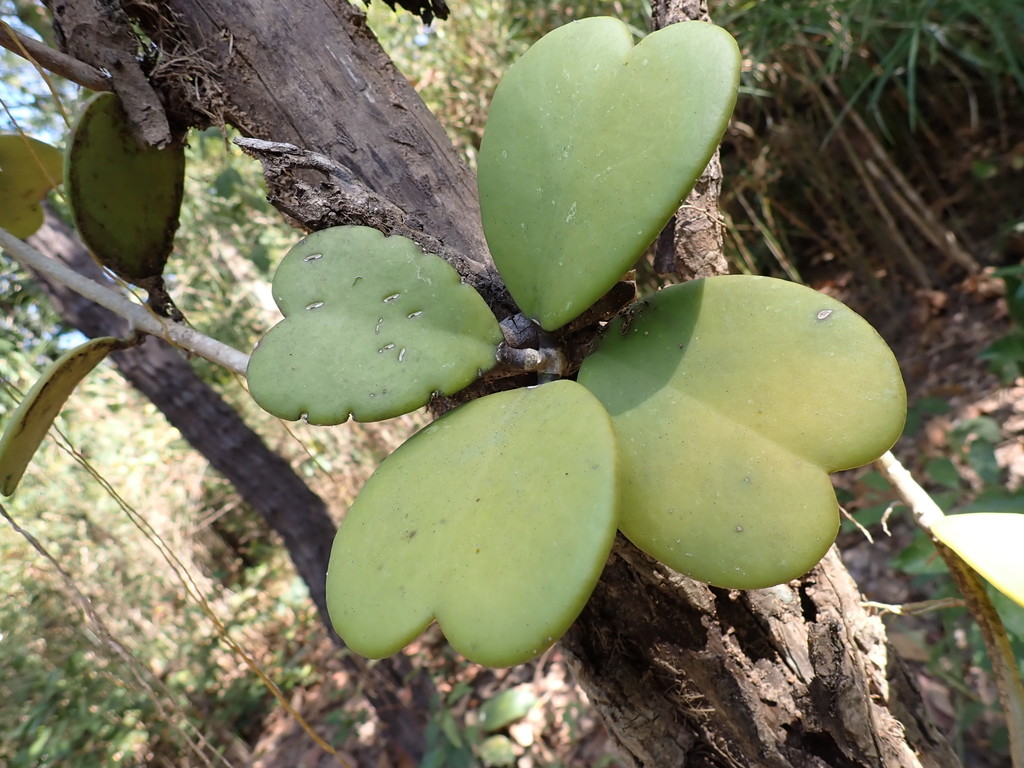
On this page
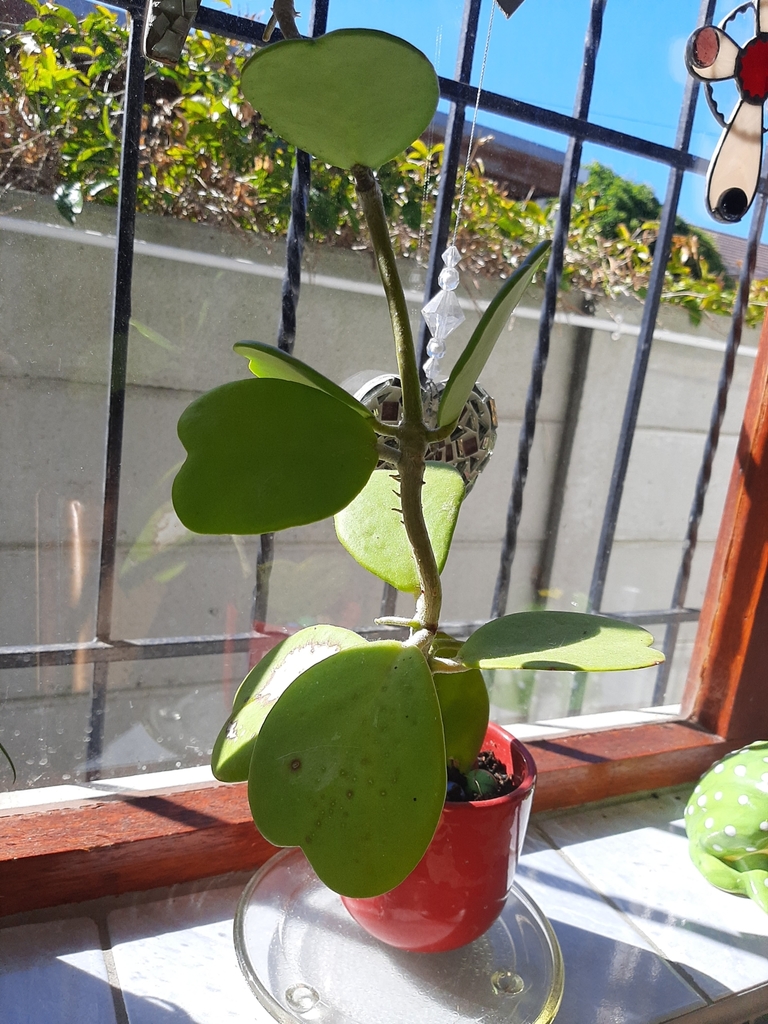
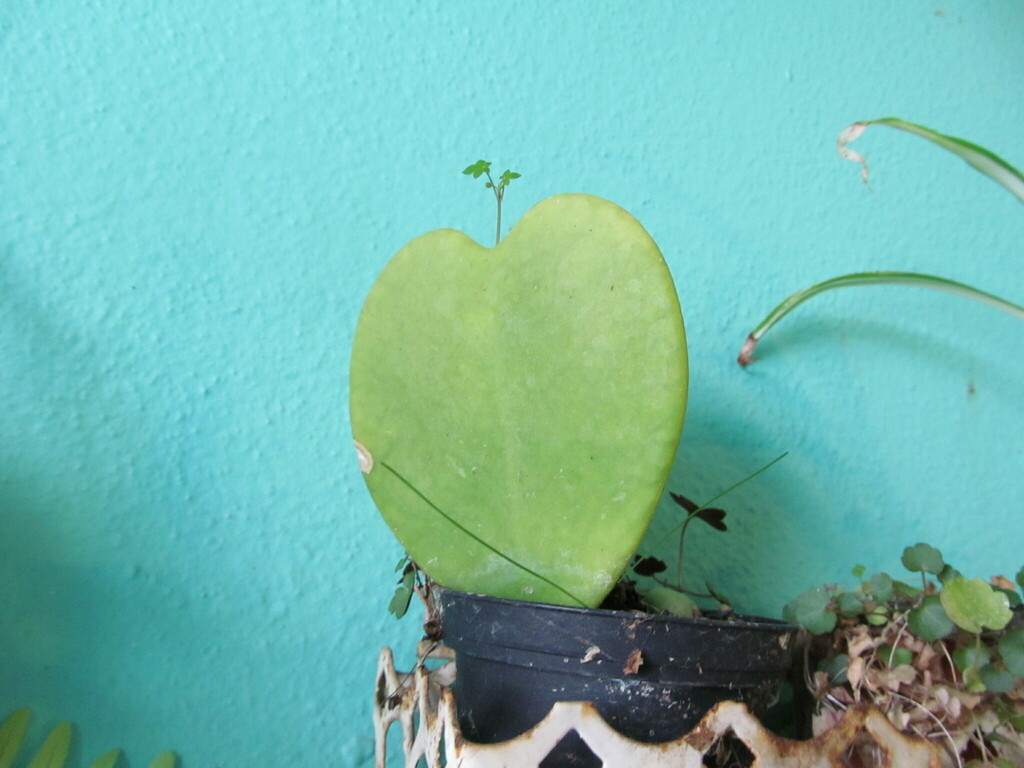
The single most important fact: a single-leaf 'sweetheart' hoya sold in a little pot usually has NO stem node. It will root and stay alive for years, but it will never grow a vine or a second leaf. If you want a plant that grows, buy a rooted vine with stem and multiple leaves. Actual care is easy succulent-style hoya care: bright light, water when fully dry. Pet-safe. Compare with our hoya carnosa base guide.
Key facts
- Single-leaf Valentine's cuttings are usually just a leaf with roots. No node, no growing point. They photosynthesize and survive for years but almost never produce a vine. Nurseries know this; most gift buyers don't.
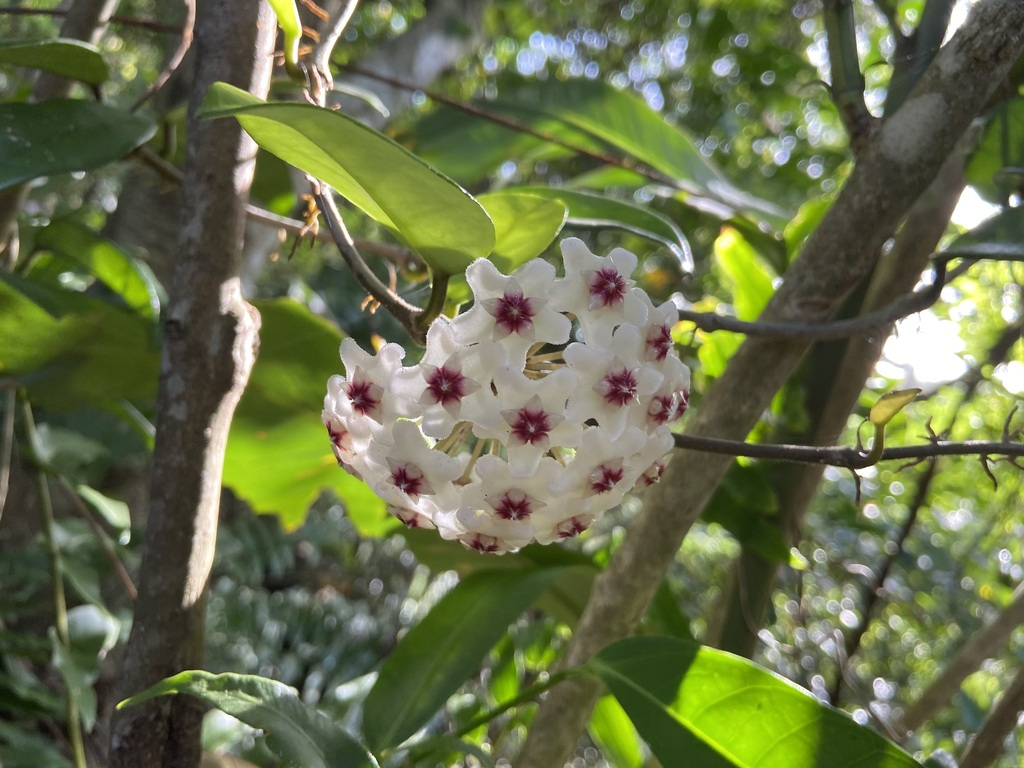
- A real Hoya kerrii is a climbing vine reaching several metres, with pairs of thick heart-shaped leaves and, on mature plants, fragrant star-shaped flower clusters.
- Compared with the common Hoya carnosa (see base guide), kerrii is more succulent: thicker leaves, more drought-tolerant, slower growing, and needs more light.
- Non-toxic to cats and dogs, like other hoyas.
Care requirements#
| Plant type | Indoor succulent vine (outdoors year-round only in USDA 11+) |
| Growing medium | Chunky, airy mix: orchid bark + perlite + a little potting soil |
| Light needs | Bright indirect light with some gentle direct sun. More light than most hoyas; too dark and it simply stops |
| Water frequency | Every 2-3 weeks, only when the mix is fully dry and leaves lose a little firmness |
| Humidity | 40-60% ideal; tolerates average homes thanks to succulent leaves |
| Temperature range | 18-30°C (65-86°F); keep above 10°C (50°F) |
| Fertilizer | Diluted balanced feed monthly in spring-summer |
| Soil pH | 6.0-7.0 |
| Drainage needs | Very high. Hoya roots rot fast in dense wet soil |
| Pot recommendation | Small snug pot with drainage; hoyas flower better slightly root-bound |
| Support | A small trellis or hoop for the vining form |
| Toxicity | Non-toxic to cats and dogs |
Growth & propagation#
| Mature size | Vines 2-4m over many years; single leaves stay a single leaf |
| Growth rate | Slow: even whole plants sulk for months before extending a vine |
| Propagation methods | Stem cuttings with at least one node; a leaf alone roots but doesn't grow |
| Propagation difficulty | Easy with a node, impossible without one |
| Repotting schedule | Every 2-3 years; it prefers staying snug |
| Flowering | Mature vines produce umbels of pink-cream star flowers; never cut the flower spurs. They rebloom from the same spur |
Common problems & troubleshooting#
| Symptom | Likely cause | Fix |
|---|---|---|
| Single leaf healthy but never grows | No stem node. The leaf physically cannot produce a vine | Nothing will change this; enjoy it as a living ornament or buy a noded plant |
| Leaf wrinkling and softening | Underwatering past the point of stored reserves, or root rot from overwatering | Check the roots: if firm, water thoroughly; if brown and mushy, cut away rot and re-root in dry chunky mix |
| Yellowing leaves dropping | Overwatering in dense soil | Repot into chunky airy mix; water only when fully dry |
| No growth for months on a whole plant | Normal kerrii behaviour, or insufficient light | Give it the brightest indirect spot you have and patience, kerrii grows in bursts |
| Sticky droplets and black sooty patches | Mealybugs or aphids excreting honeydew | Wipe leaves with diluted isopropyl alcohol; repeat weekly until clear |
Water it like the succulent it almost is
Sodate stretches watering reminders to match kerrii's drought-loving pace.
Seasonal care#
Varieties & cultivars#
| Variety | Distinguishing trait | Note |
|---|---|---|
| Hoya kerrii 'Variegata' | Cream-edged heart leaves | Slower and pricier; needs more light |
| Hoya kerrii 'Reverse Variegata' (albomarginata inner) | Cream centre, green edge | Collector form |
| Hoya kerrii 'Splash' | Silver-flecked leaves | Subtle speckling, same care |
Buying checklist#
- THE test: look for a piece of stem with a node at the soil line. No node means the leaf will never grow into a plant
- If you want a growing plant, buy one with visible vine and at least 2-3 leaves
- Leaves should be firm and plump, not wrinkled or yellowing
- Variegated forms should show clear stable margins, not faint smudges
Pricing by region#
| Region | Price range | Typical unit | Basis |
|---|---|---|---|
| US | $8 – $40 | single leaf $8-15; rooted vine $25-40 | Nursery + Valentine's seasonal retail |
| UK | $8 – $38 | leaf vs rooted vine | Garden centre + supermarket seasonal |
| India | $2 – $12 | leaf vs rooted plant | Urban nursery + online |
| Australia | $10 – $40 | leaf vs rooted vine | Nursery retail |
| Canada | $9 – $41 | leaf vs rooted vine | Garden centre retail |
USD figures are approximate conversions for comparison; switch the dropdown to see each region's actual local-currency listing price.
Often confused with#
Name confusion warning#
The Valentine's single-leaf trap. Potted single hearts sold as "sweetheart plant" are leaf cuttings usually without a node. They stay alive but will never grow into a vine. If the seller can't show you stem tissue at the soil line, you're buying a green ornament, not a future plant.
Where it's actually grown#
Single-leaf kerrii pots are produced by the million in Dutch and Thai greenhouses specifically for the Valentine's gift market; whole vining plants come from hoya specialist nurseries in Thailand, the Philippines, and US west-coast growers.
Import & biosecurity restrictions#
| Region | Note |
|---|---|
| Australia | Live plant imports restricted under biosecurity law; sold domestically. |
| US | No restriction; single leaves ubiquitous each February. |
| UK | No restriction; supermarket seasonal stock common. |
| India | No restriction; growing hoya collector scene. |
| Canada | CFIA permits for commercial imports; seasonal retail stock is greenhouse-grown. |
Similar plants
Ranked in these guides
Did you know?
Frequently asked questions
Will my single-leaf hoya kerrii ever grow?
Almost certainly not. Single leaves sold in pots usually have no stem node, and without one the leaf can live for years but can never produce a vine or new leaves.
Is hoya kerrii pet-safe?
Yes. Hoyas are non-toxic to cats and dogs.
How often should I water hoya kerrii?
Every 2-3 weeks, only when the chunky mix is fully dry. Its thick succulent leaves store water and it rots quickly in wet soil.
How is kerrii different from hoya carnosa?
Kerrii has thick heart-shaped leaves, grows slower, needs more light, and is more drought-tolerant; carnosa is the faster, easier-to-flower common wax plant.
How much does hoya kerrii cost?
Single leaves run $8-$15 in the US; a rooted vine with real growth potential is $25-$40, and variegated vines more.