 Sodate

On this page
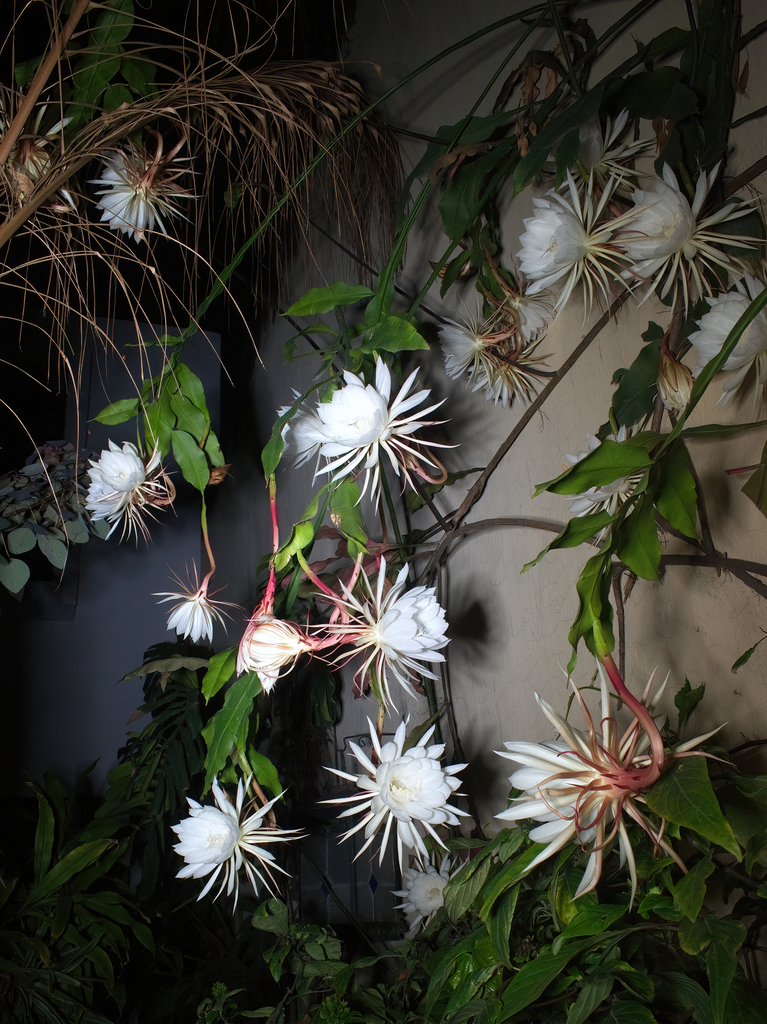
The orchid cactus is a jungle epiphyte, not a desert plant: it grows on tree branches in humid forest, so it wants a bark-based mix, bright indirect light and more water than a normal cactus. Its reward is the flower. Many species, including the famous Epiphyllum oxypetalum, open at night, release a strong scent to draw moths, and are wilting by sunrise. One night is all you get, once or twice a year. It is non-toxic to cats and dogs, and typically costs $15-$40.
Key facts
- It is an epiphyte that grows on tree branches in humid forest, so it needs an airy bark-based mix and never a gritty desert cactus soil.
- Night-blooming species open after dark, scent strongly to attract moth pollinators, and are finished by morning. A single flower lasts one night only.
- Flowers of Epiphyllum oxypetalum can reach 25-30cm across, among the largest in the cactus family.
- Non-toxic to cats and dogs, and effectively spineless as a mature plant, which makes it a safe choice for a hanging basket in a shared room.
Care requirements#
| Plant type | Indoor epiphytic cactus; grown outdoors in shade in frost-free climates |
| Growing medium | Airy epiphyte mix: orchid bark, coir and perlite, not desert cactus soil |
| Light needs | Bright indirect light; direct midday sun yellows and scorches the stems |
| Water frequency | Every 7-10 days in growth; water when the top few centimetres dry, and reduce sharply in winter |
| Humidity | 50-60% preferred, reflecting its forest origins |
| Temperature range | 18-27°C (65-80°F) in growth; a 10-15°C (50-59°F) winter rest triggers flowering |
| Fertilizer | Low-nitrogen, high-potassium feed monthly in spring and summer to encourage buds |
| Soil pH | 5.5-6.5 |
| Drainage needs | Very high. It rots quickly in a dense water-holding mix |
| Pot recommendation | Hanging basket or wide pot with plenty of drainage; the stems trail heavily |
| Hardiness zone (outdoor) | USDA 10-11; grown indoors elsewhere |
| Toxicity | Non-toxic to cats, dogs and humans |
Growth & propagation#
| Mature size | Flattened stems 60-120cm long, trailing well below the pot |
| Growth rate | Moderate; plants usually need 3-5 years before first flowering |
| Propagation methods | Stem segment cuttings, calloused for a week then rooted in bark mix |
| Propagation difficulty | Beginner-friendly, though cuttings take a few years to reach flowering size |
| Repotting schedule | Every 2-3 years; it flowers better slightly potbound |
| Pruning needs | Shorten over-long stems after flowering; the cuttings root readily |
Common problems & troubleshooting#
| Symptom | Likely cause | Fix |
|---|---|---|
| Healthy plant that never flowers | No cool dry winter rest, too little light, or the plant is simply too young | Give it 6-8 weeks at 10-15°C with minimal water in winter, keep it in bright indirect light, and allow three to five years from a cutting |
| Buds forming then dropping before opening | The plant was moved or rotated, or watering was erratic | Do not move or turn the plant once buds appear, and keep watering steady |
| Yellowing, reddening stems | Too much direct sun | Move to bright indirect light; a shaded east-facing spot suits it well |
| Soft, translucent, collapsing stems | Root rot from a dense mix or overwatering in winter | Repot into open bark mix, cut away rotted tissue and root healthy segments as backups |
| Thin, weak new stems | Too little light or nutrients | Increase light and feed monthly with a high-potassium feed through the growing season |
Blooms reward the right winter rest
Sodate tracks your season and light and adjusts the plan, including the cooler, drier spell that sets flower buds.
Seasonal care#
Varieties & cultivars#
| Variety | Distinguishing trait | Note |
|---|---|---|
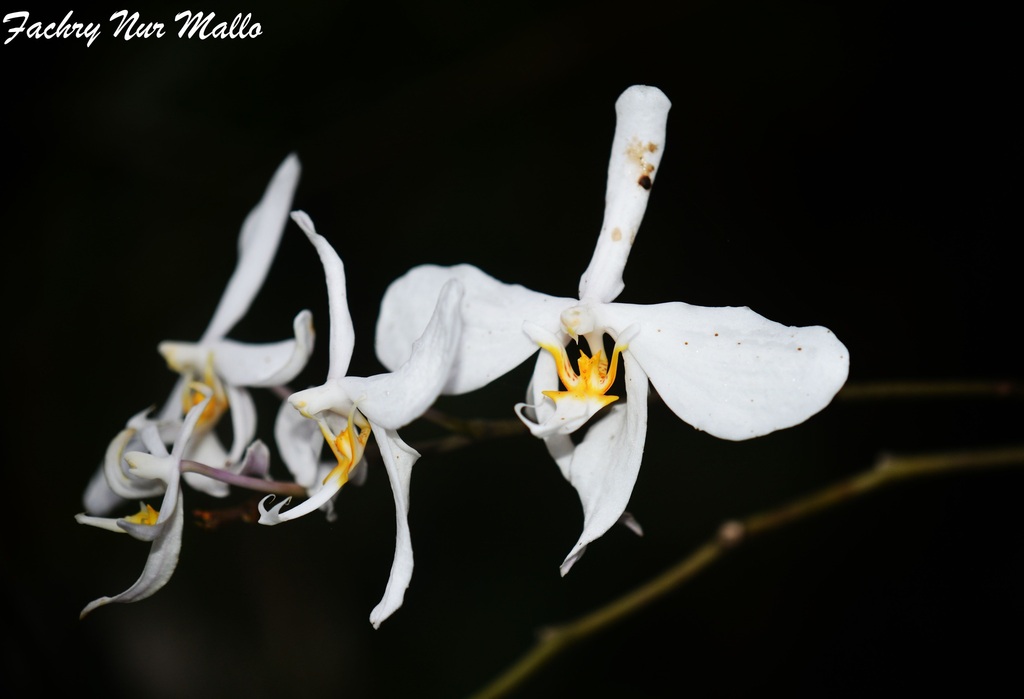
| Epiphyllum oxypetalum | Huge white night-blooming flowers | The classic 'queen of the night'; blooms last one night |
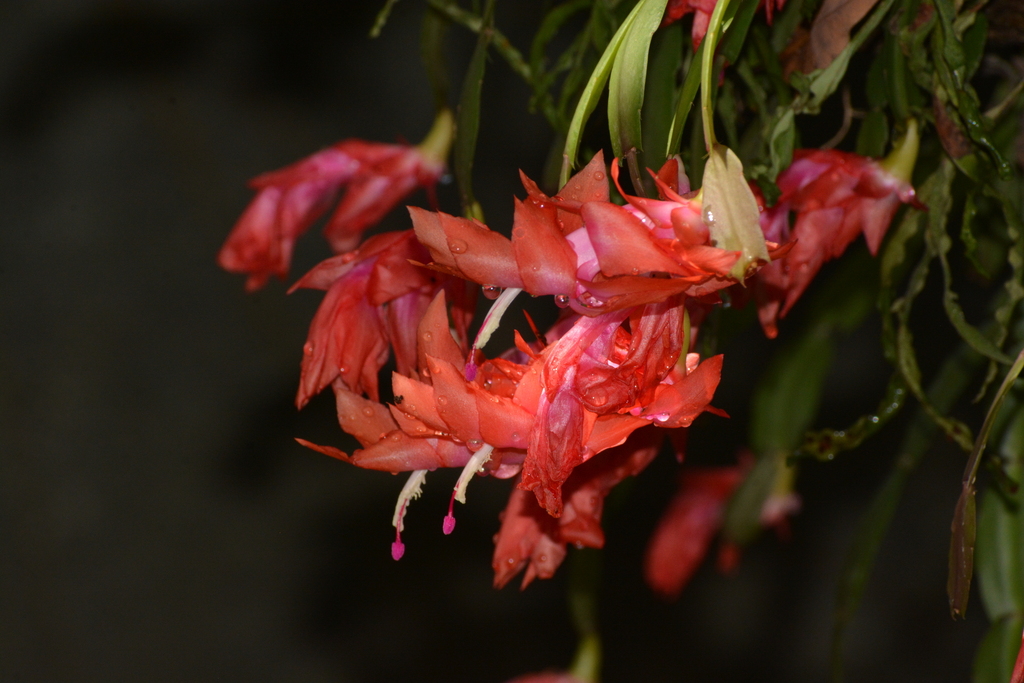
| Epiphyllum hybrids (day-blooming) | Pink, red, orange and bicolour flowers | Bred from Disocactus crosses; flowers last two to three days |
| Epiphyllum anguliger | Deeply zigzagged stems | The fishbone cactus, grown as much for foliage as flowers |
Buying checklist#
- Stems are firm, flat and evenly green, without yellow or translucent patches
- The mix is chunky and bark-based rather than dense compost
- Ask the age or size: plants under three years old rarely flower yet
- For a specific flower colour, buy a named hybrid, since seedlings are unpredictable
Pricing by region#
| Region | Price range | Typical unit | Basis |
|---|---|---|---|
| US | $15 – $40 | 6in pot / hanging basket | Specialist nursery + garden centre |
| UK | $14 – $38 | 14-17cm pot | Garden centre retail |
| India | $3 – $12 | 6in pot | Urban nursery retail |
| Australia | $16 – $42 | 150-200mm pot | Nursery + garden centre |
| Canada | $16 – $40 | 6in pot | Garden centre retail |
USD figures are approximate conversions for comparison; switch the dropdown to see each region's actual local-currency listing price.
Often confused with#
Name confusion warning#
"Orchid cactus" and "queen of the night" are both applied loosely across Epiphyllum, Disocactus, Selenicereus and Hylocereus. Most brightly coloured "epiphyllum hybrids" in the trade are actually intergeneric crosses involving Disocactus, not pure Epiphyllum, which is why their flowers are coloured and last longer than a single night.
Where it's actually grown#
Orchid cacti are propagated from stem cuttings by specialist nurseries in California, Germany, the Netherlands and Southeast Asia, with an active hobbyist exchange for named hybrids. Wild Epiphyllum species grow in Central and South American forests; retail stock is entirely cultivated.
Import & biosecurity restrictions#
| Region | Note |
|---|---|
| Australia | Live plant imports restricted under biosecurity law; propagated domestically from cuttings. |
| US | Cacti are CITES Appendix II so commercial imports need permits; domestic sale is unrestricted. |
| UK | CITES paperwork applies to commercial imports; retail sale unrestricted. |
| India | No restriction; Epiphyllum oxypetalum is widely grown and culturally well known. |
| Canada | CITES and CFIA permits required for commercial imports; sold by specialist nurseries. |
Similar plants
Ranked in these guides
Did you know?
Frequently asked questions
How long do orchid cactus flowers last?
Night-blooming species such as Epiphyllum oxypetalum open after dark and wilt by morning, so a single night. Coloured day-blooming hybrids last two to three days.
Why won't my orchid cactus flower?
Usually no cool winter rest, too little light, or a plant that is still too young. Give it six to eight weeks at 10-15°C with minimal water over winter, and allow three to five years from a cutting.
Is the orchid cactus toxic to pets?
No, Epiphyllum is non-toxic to cats and dogs, and mature plants are effectively spineless.
What soil does an orchid cactus need?
An airy epiphyte mix of orchid bark, coir and perlite. Ordinary gritty desert cactus soil is wrong for it.
How much does an orchid cactus cost?
Usually $15-$40 in the US; unrooted cuttings of named hybrids ship for much less.