 Sodate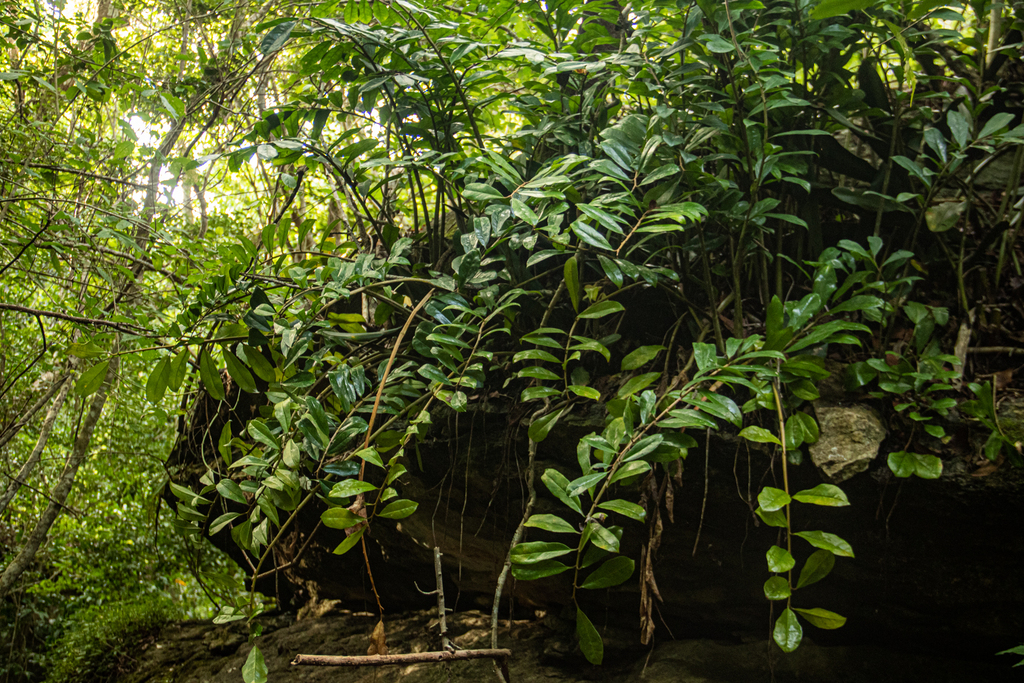
On this page
ZZ plant rivals snake plant as the most neglect-proof houseplant: its underground rhizomes store enough water for weeks, it tolerates dim light, and it shrugs off dry air. Water only when soil is fully dry (every 2-4 weeks), keep it out of direct sun, and don't overwater. Toxic to pets if chewed, and typically costs $15-$45.
Key facts
- Native to drought-prone lowlands of East Africa, from Kenya to South Africa.
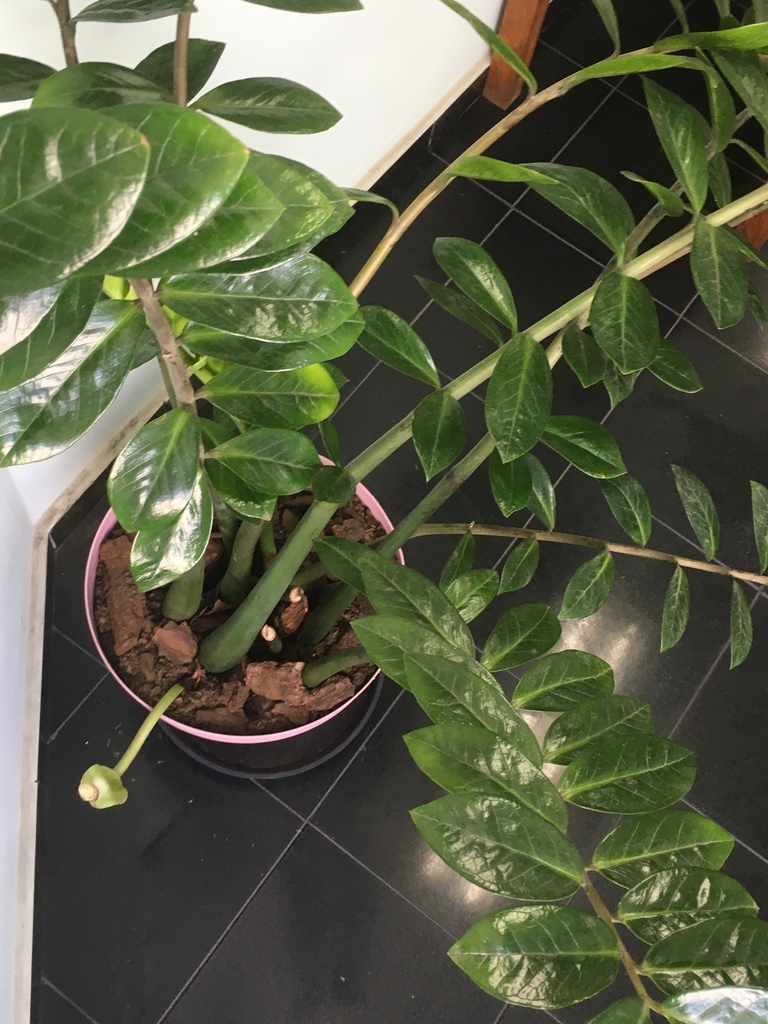
- Stores water in swollen underground rhizomes that look like small potatoes. The engine of its famous drought tolerance.
- Went from botanical obscurity to global staple only after Dutch nurseries began mass propagation in 1996. One of the newest 'classic' houseplants.
- All parts are toxic if chewed (calcium oxalates), and contact with sap can irritate sensitive skin.
Care requirements#
| Plant type | Indoor |
| Growing medium | Well-draining cactus/succulent mix |
| Light needs | Low to bright indirect light; avoid harsh direct sun which yellows leaflets |
| Water frequency | Every 2-4 weeks; only when soil is completely dry |
| Humidity | Any household humidity, including very dry air |
| Temperature range | 18-27°C (65-80°F); avoid below 10°C (50°F) |
| Fertilizer | Diluted balanced feed 2-3 times during spring-summer |
| Soil pH | 6.0-7.0 |
| Drainage needs | Very high. Rotting rhizomes from overwatering are the only common killer |
| Pot recommendation | Sturdy pot with drainage; rhizomes can deform thin plastic pots as they grow |
| Hardiness zone (outdoor) | USDA 10-12 (rarely grown outdoors) |
| Toxicity | Toxic to pets and humans if chewed; sap may irritate skin |
Growth & propagation#
| Mature height | 60-90cm indoors |
| Growth rate | Slow: a few new stems per year |
| Propagation methods | Division of rhizomes; leaf cuttings work but take 6-12 months |
| Propagation difficulty | Easy via division; leaf-cutting route is famously slow |
| Repotting schedule | Every 2-3 years, or when rhizomes visibly crowd or deform the pot |
| Pruning needs | None beyond removing yellowed stems at the base |
Common problems & troubleshooting#
| Symptom | Likely cause | Fix |
|---|---|---|
| Yellowing stems and leaflets | Overwatering rotting the rhizomes | Stop watering, unpot and check rhizomes; cut away soft ones and repot in dry gritty mix |
| Wrinkled leaf stalks | Extended severe drought. Rhizome reserves depleted | Water deeply; plumps back over a week or two |
| Leaning, stretched stems | Reaching for light in a very dim spot | Rotate regularly and move somewhat brighter |
| Brown scorch patches | Direct hot sun on the waxy leaflets | Move out of direct sunlight |
Even this one has a watering rhythm
Sodate tracks the long gaps between ZZ waterings so you neither forget it entirely nor drown the rhizomes.
Seasonal care#
Varieties & cultivars#
| Variety | Distinguishing trait | Note |
|---|---|---|
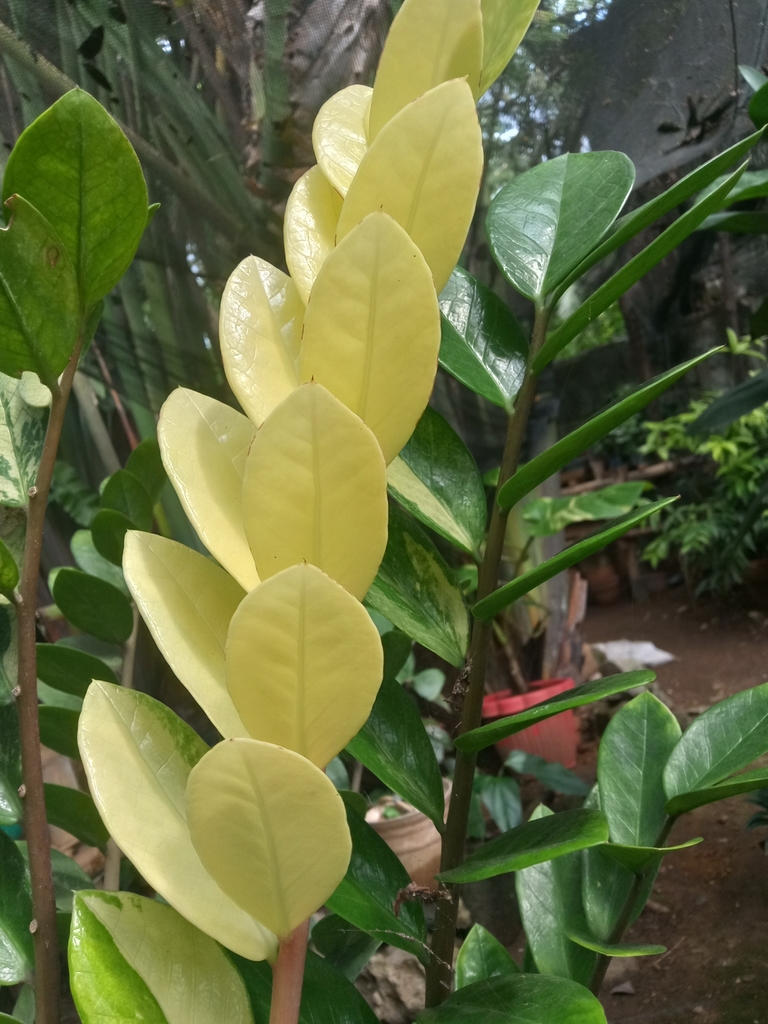
| 'Raven' | New growth emerges green, matures purple-black | Patented dark cultivar, higher price |
| 'Zenzi' | Dwarf, denser and more compact | Desk-sized form |
| Standard ZZ | Glossy mid-green leaflets | The common, cheapest form |
Buying checklist#
- Stems are firm and upright with glossy leaflets
- No yellowing at the base or mushy stems
- Soil dry to barely moist at purchase
- A few new light-green shoots signal an actively growing plant
Pricing by region#
| Region | Price range | Typical unit | Basis |
|---|---|---|---|
| US | $15 – $45 | 6-10in pot | Big-box + nursery retail |
| UK | $12 – $36 | 14-21cm pot | Garden centre retail |
| India | $2 – $7 | 6-10in pot | Urban nursery retail |
| Australia | $14 – $42 | 150-250mm pot | Nursery + garden centre |
| Canada | $15 – $42 | 6-10in pot | Garden centre retail |
USD figures are approximate conversions for comparison; switch the dropdown to see each region's actual local-currency listing price.
Often confused with#
Where it's actually grown#
Virtually all ZZ plants trace to Dutch nursery propagation programs started in 1996; today mass production runs through the Netherlands, Florida, and Southeast Asia, with the patented 'Raven' cultivar licensed to specific growers.
Import & biosecurity restrictions#
| Region | Note |
|---|---|
| Australia | Live plant imports restricted under biosecurity law; strong domestic supply. |
| US | Domestic sale unrestricted. |
| UK | No specific restriction; grown as a houseplant. |
| India | No restriction; very common in urban nurseries. |
| Canada | CFIA permits required for commercial imports. |
Similar plants
Ranked in these guides
Did you know?
Frequently asked questions
How often should I water a ZZ plant?
Every 2-4 weeks, only when the soil is completely dry. Its rhizomes store weeks of water, and overwatering is the only common way to kill it.
Can ZZ plants survive in low light?
Yes, they tolerate dim office-level light well, though growth is slow there; bright indirect light speeds it up.
Is ZZ plant pet-safe?
No. All parts are toxic if chewed, and the sap can irritate skin. Keep away from pets and wash hands after pruning.
How much does a ZZ plant cost?
A standard 6-10 inch pot runs $15-$45 in the US; the dark 'Raven' cultivar costs more.
Why is my ZZ plant turning yellow?
Almost always overwatering rotting the rhizomes. Unpot, trim soft rhizomes, repot in dry gritty mix, and water far less.