 Sodate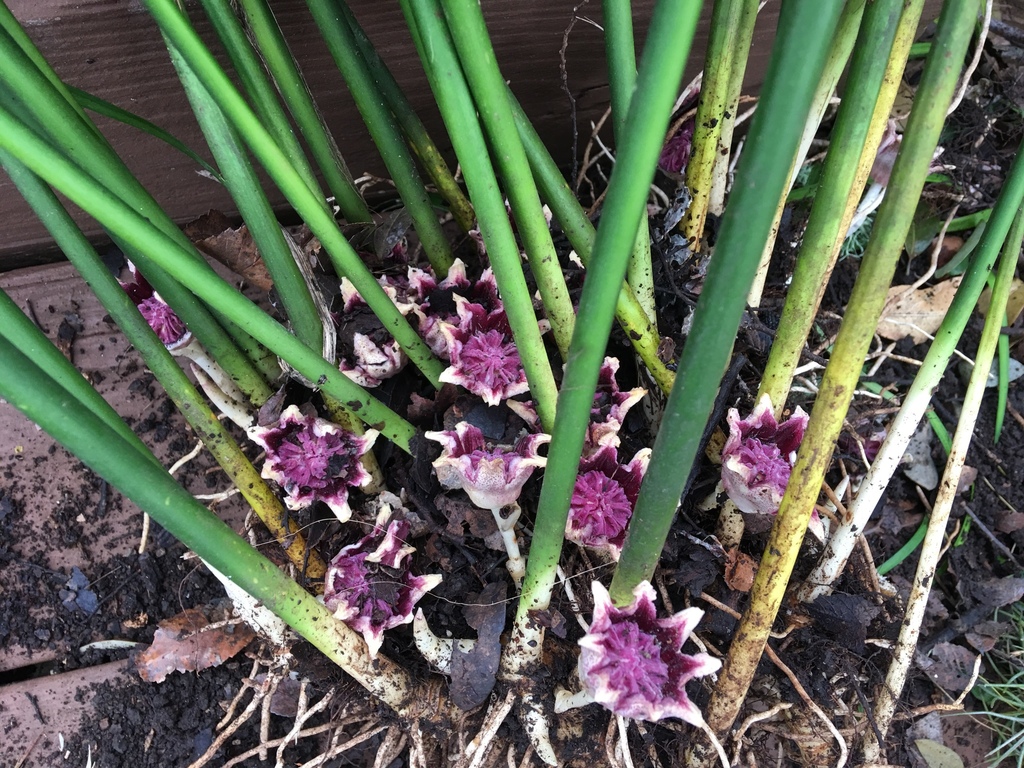
On this page
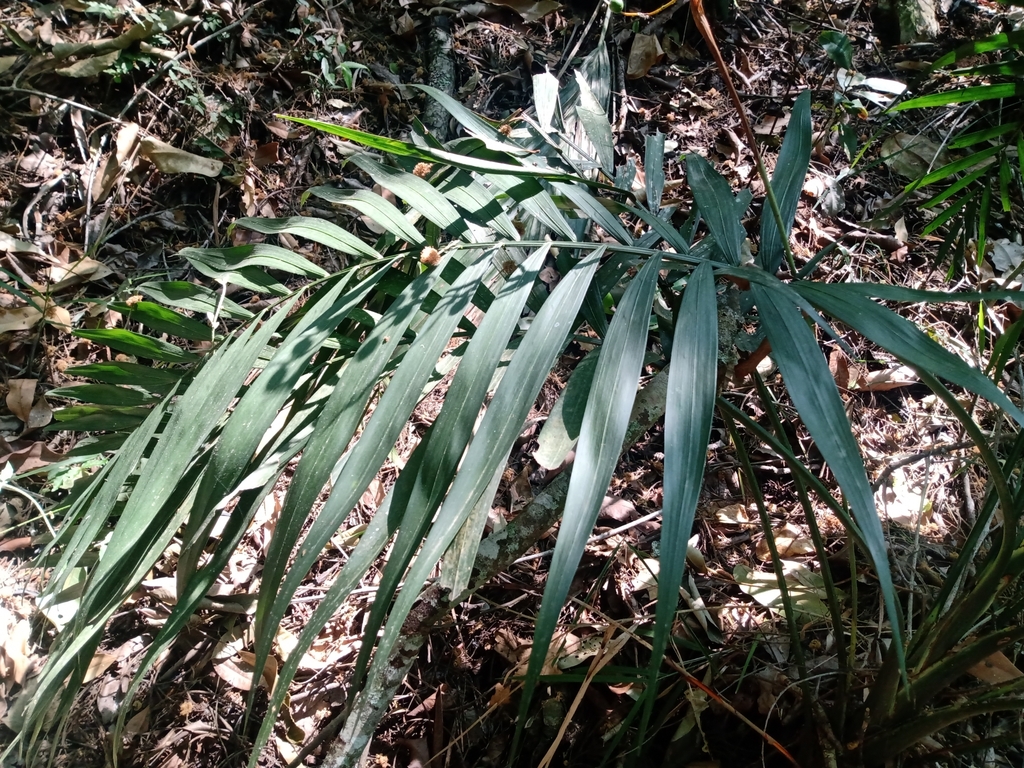
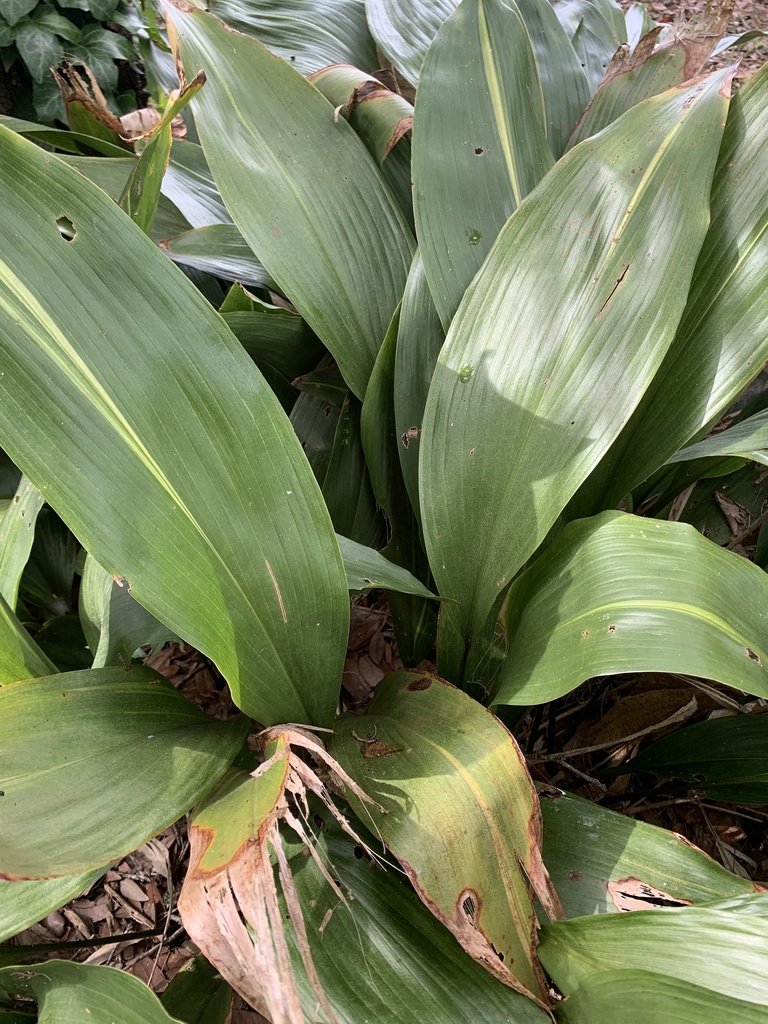
Cast iron plant earns its name: it tolerates deep shade, dry air, cool rooms, and forgotten waterings better than virtually any other houseplant. Water when the top half of the soil dries, keep it out of direct sun, and accept that it grows slowly. A handful of new leaves a year. Pet-safe. Typically $15-$40 in the US because slow growth makes it expensive to produce.
Key facts
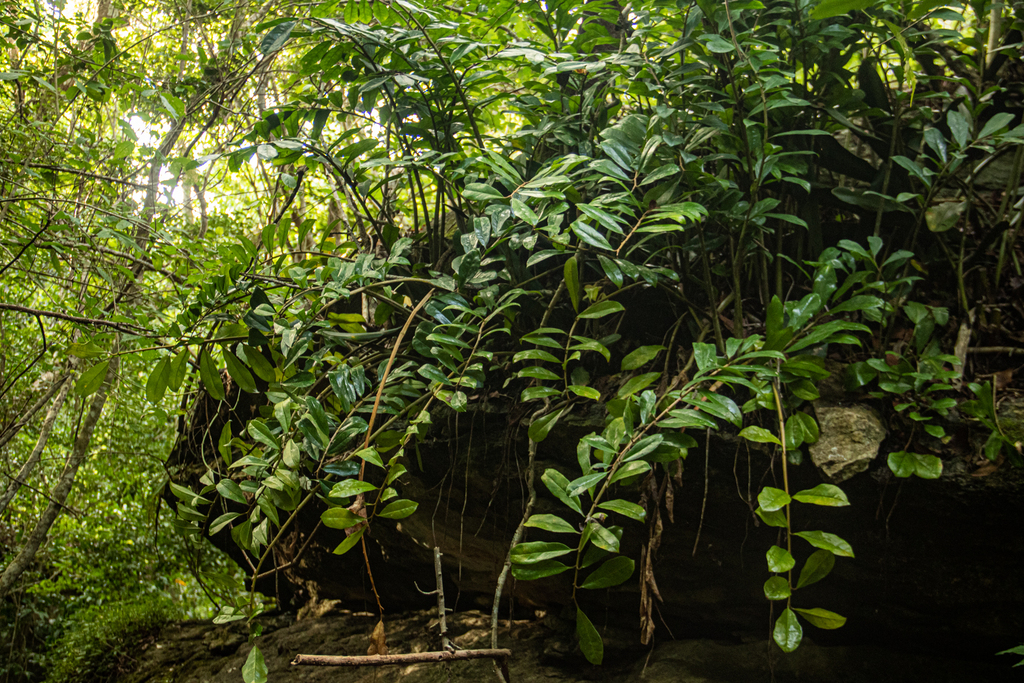
- Native to forest floors of southern Japan and Taiwan, adapted to deep shade under evergreen canopy. Hence its tolerance of the darkest corners.
- A Victorian icon: tough enough to survive gas-lit, coal-heated parlors, it became the era's default houseplant (and the title of Orwell's novel 'Keep the Aspidistra Flying').
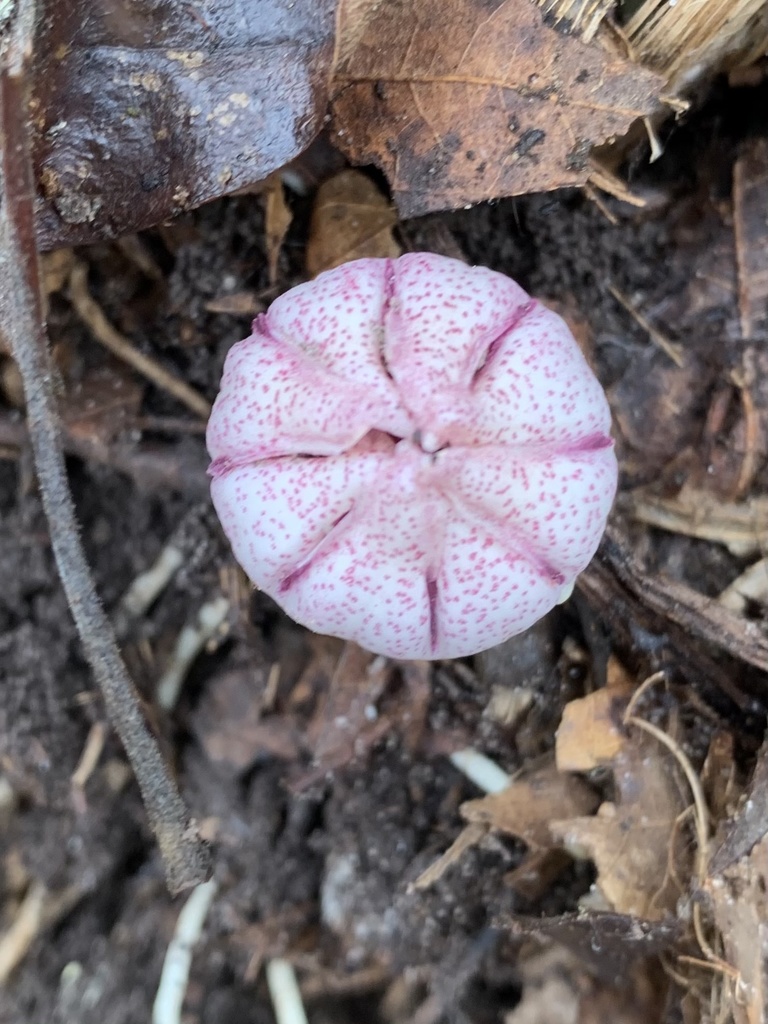
- Flowers at soil level. Small, fleshy purple-brown blooms hidden at the base, pollinated in the wild by fungus gnats and other tiny flies.
- Non-toxic to cats and dogs.
Care requirements#
| Plant type | Indoor or outdoor shade plant (hardy to about USDA 7b-11) |
| Growing medium | Any decent well-draining potting mix, it's unfussy |
| Light needs | Low to medium indirect light; deep shade tolerated; direct sun bleaches and scorches the leaves |
| Water frequency | When the top half of the soil is dry. Every 1-2 weeks in summer, monthly in winter |
| Humidity | Anything: dry air is no problem |
| Temperature range | 7-29°C (45-85°F); one of the most cold-tolerant common houseplants |
| Fertilizer | Balanced liquid feed 2-3 times a year in spring-summer; more causes leaf-tip burn |
| Soil pH | 5.5-7.5: broadly tolerant |
| Drainage needs | Moderate; the fleshy rhizome resents standing water |
| Pot recommendation | Heavy pot with drainage, mature clumps get top-heavy |
| Hardiness zone (outdoor) | USDA 7b-11 (shade) |
| Toxicity | Non-toxic to cats and dogs |
Growth & propagation#
| Mature size | 60-90cm tall, slowly widening clump |
| Growth rate | Very slow. Typically only a few new leaves per year |
| Propagation methods | Division of the rhizome into sections with 2-3 leaves each |
| Propagation difficulty | Easy but slow. Divisions take a season or two to look full again |
| Repotting schedule | Every 3-5 years; it prefers being left alone and slightly pot-bound |
| Pruning needs | Cut tattered or brown leaves at the base; no other pruning needed |
Common problems & troubleshooting#
| Symptom | Likely cause | Fix |
|---|---|---|
| Brown, scorched patches on leaves | Direct sunlight. The one thing this shade plant genuinely can't take | Move out of direct sun; scorched leaves won't recover, so trim them at the base |
| Brown leaf tips | Overfertilizing or fluoride/salt buildup in the soil | Feed only 2-3 times a year and flush the pot with plain water occasionally |
| Yellowing leaves and soft bases | Overwatering. The main way people kill an otherwise unkillable plant | Let the top half of the soil dry between waterings; check the rhizome and repot if any rot |
| Dusty, dull leaves | The big flat leaves collect dust, blocking what little light they get | Wipe leaves with a damp cloth a few times a year |
| No visible growth for months | Normal. This species grows extremely slowly, especially in low light | Patience; brighter indirect light and spring feeding speed it up slightly |
Even unkillable plants have a rhythm
Sodate stretches reminders to match this plant's slow, infrequent thirst. No more watering it just because it's Tuesday.
Seasonal care#
Varieties & cultivars#
| Variety | Distinguishing trait | Note |
|---|---|---|
| 'Variegata' | Cream-striped leaves | Needs a little more light to hold the striping |
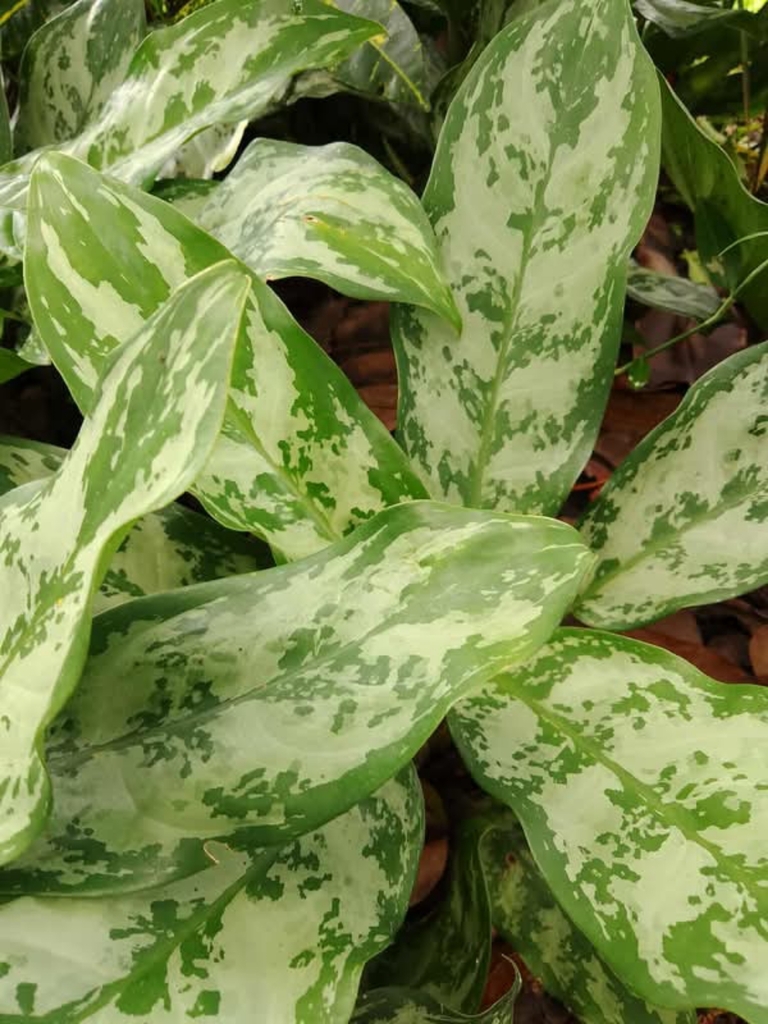
| 'Milky Way' | Leaves speckled with white star-like dots | The most popular collector form |
| 'Asahi' | Leaf tips emerge white, fading down the blade | Japanese cultivar, slower and pricier |
Buying checklist#
- Multiple leaf shoots emerging from the soil, not one or two
- Leaves are deep green and intact, without torn edges or scorch
- Firm at the soil line. No soft, rotting leaf bases
- Expect to pay more than for fast-growing plants of the same size; cheap large aspidistras are rare
Pricing by region#
| Region | Price range | Typical unit | Basis |
|---|---|---|---|
| US | $15 – $40 | 6-8in pot | Garden center + online houseplant retail |
| UK | $15 – $38 | 13-17cm pot | Garden centre retail |
| India | $4 – $10 | 6in pot | Urban nursery + online |
| Australia | $13 – $33 | 140-200mm pot | Nursery + garden centre |
| Canada | $15 – $37 | 6-8in pot | Garden centre retail |
USD figures are approximate conversions for comparison; switch the dropdown to see each region's actual local-currency listing price.
Often confused with#
Where it's actually grown#
Grown by rhizome division in shade nurseries in Florida, the Netherlands, Japan, and China; because a saleable plant takes years to produce, supply is limited and prices stay higher than for fast-cropping foliage plants. Cut aspidistra leaves are also a floristry staple.
Import & biosecurity restrictions#
| Region | Note |
|---|---|
| Australia | Live plant imports restricted under biosecurity law; long-established in the domestic nursery trade. |
| US | Domestic sale unrestricted; also planted outdoors as a shade groundcover in the South. |
| UK | No restriction; a heritage houseplant available from most garden centres. |
| India | No restriction; suits shaded verandas and indoor corners. |
| Canada | CFIA permits required for commercial imports; sold as a houseplant. |
Similar plants
Ranked in these guides
Did you know?
Frequently asked questions
Is the cast iron plant safe for cats and dogs?
Yes. Aspidistra elatior is non-toxic to cats and dogs, making it one of the best pet-safe choices for low-light rooms.
How often should I water a cast iron plant?
When the top half of the soil has dried out. Typically every 1-2 weeks in summer and as little as monthly in winter. It forgives forgetting far better than overwatering.
Can a cast iron plant really live in a dark corner?
Yes. It tolerates deep shade better than almost any houseplant, though it grows even more slowly there. Just keep it out of direct sun, which scorches the leaves.
Why is my cast iron plant not growing?
It's normal. Aspidistra produces only a few new leaves a year even in good conditions; in low light it can appear completely static for months while remaining perfectly healthy.
How much does a cast iron plant cost?
Typically $15-$40 in the US for a 6-8 inch pot. Pricier than fast growers of the same size because each plant takes years to produce.