 Sodate
Home / Guides / Drought-tolerant indoor plants
Best Drought-Tolerant Indoor Plants: 15 Ranked (2026)
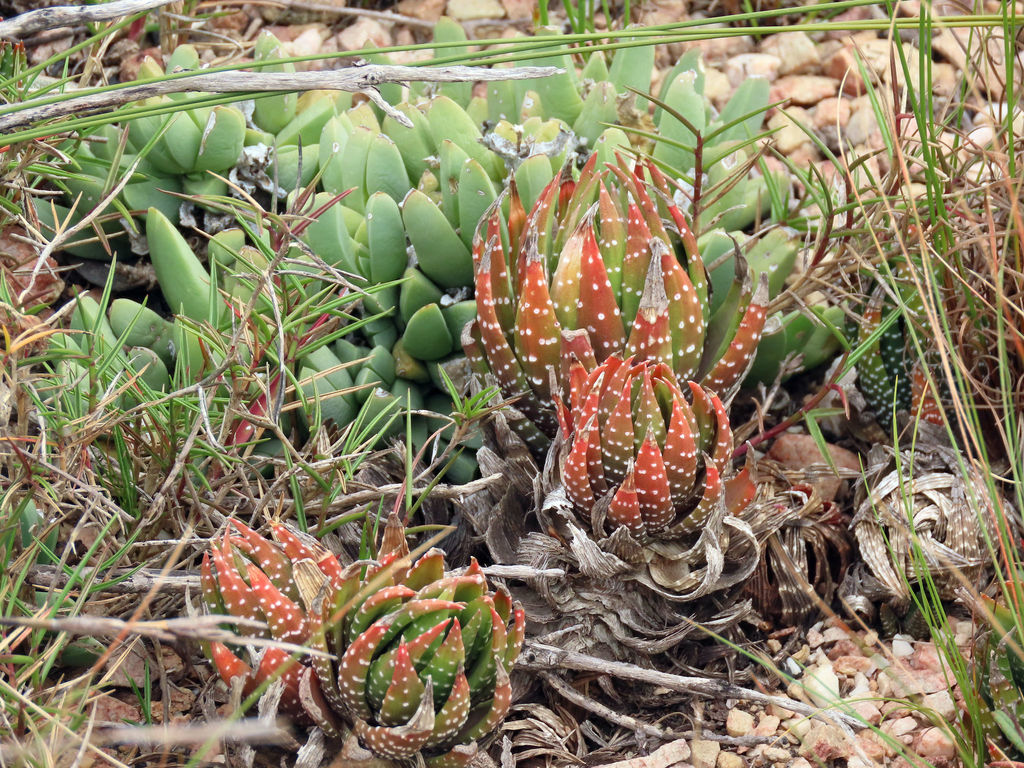
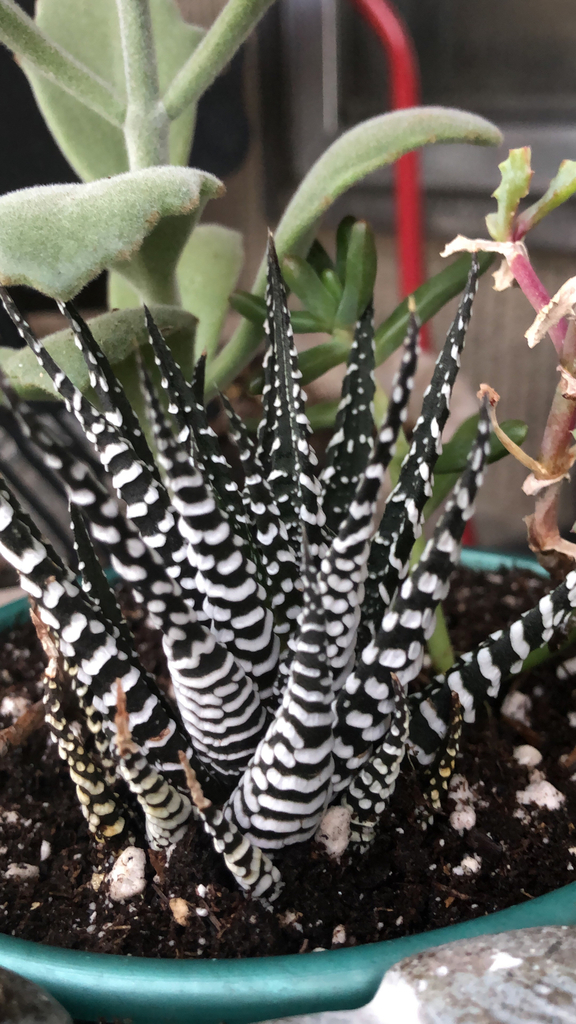
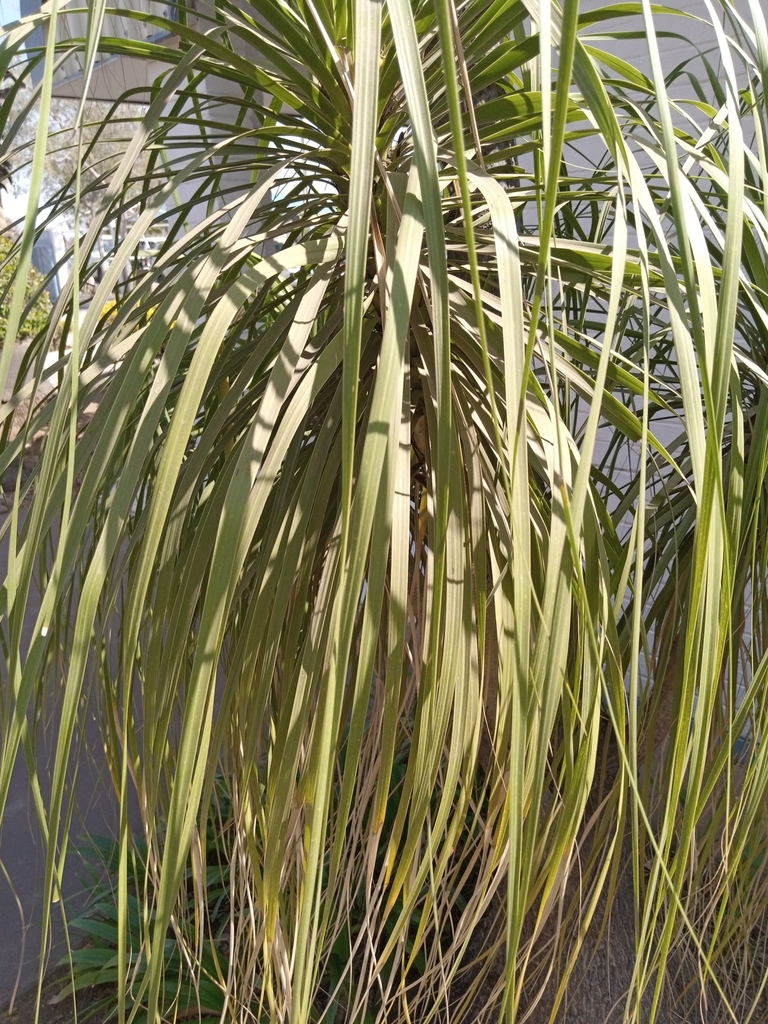
The best drought-tolerant indoor plants are Haworthia, Zebra Haworthia, Ponytail Palm. Sodate ranked 17 qualifying plants from a database of 208 profiles on a published 100-point rubric weighted to drought tolerance (40), care difficulty (25), pet safety (20) and cost (15). Haworthia scores 100/100, the highest in this group.
Haworthia, Zebra Haworthia, Ponytail Palm lead this ranking of drought-tolerant indoor plants. Entry requires full marks only where the plant's own care profile states weeks between waterings, not 'water when dry'. 10 of the 15 listed are non-toxic to cats and dogs. Every score is computed from the same four measures, drought tolerance, care difficulty, pet safety and cost, and the rubric is published below so you can recompute any ranking yourself.
Why trust this list
'Drought-tolerant' is the most abused phrase in plant retail, because almost every plant survives one missed watering. The measure here is the interval stated in each plant's own care profile: a plant scores full marks only where that interval is counted in weeks. Plants that merely prefer to dry out between drinks score lower, because a fortnight away from home is the situation this list is actually for. Everything here is an indoor plant profiled on this site, which means light is the binding constraint rather than temperature or rainfall. Check the light row on any plant before buying it, because indoors the difference between a north and a south window is larger than the difference between most of the plants on this list.
At a glance: all 15 ranked
| Rank | Plant | Best for | Score | Drought tolerance | Pet safety | US price |
|---|---|---|---|---|---|---|
| #1 | Haworthia | People who travel or forget, in a home with pets | 100 | Weeks between drinks | Pet-safe | $5–$15 |
| #2 | Zebra Haworthia | People who travel or forget, in a home with pets | 100 | Weeks between drinks | Pet-safe | $6–$15 |
| #3 | Ponytail Palm | People who travel or forget, in a home with pets | 97 | Weeks between drinks | Pet-safe | $15–$45 |
| #4 | Burro's Tail | People who travel or forget, in a home with pets | 90 | Weeks between drinks | Pet-safe | $10–$35 |
| #5 | Echeveria | People who travel or forget, in a home with pets | 90 | Weeks between drinks | Pet-safe | $5–$15 |
| #6 | Hoya Kerrii | People who travel or forget, in a home with pets | 90 | Weeks between drinks | Pet-safe | $8–$40 |
| #7 | Moon Cactus | People who travel or forget, in a home with pets | 90 | Weeks between drinks | Pet-safe | $5–$12 |
| #8 | Jade Plant | People who travel or forget, if you forget to water | 88 | Weeks between drinks | Toxic | $5–$30 |
| #9 | Cast Iron Plant | People who travel or forget, in a home with pets | 87 | Weeks between drinks | Pet-safe | $15–$40 |
| #10 | Guzmania | People who travel or forget, in a home with pets | 87 | Weeks between drinks | Pet-safe | $12–$30 |
| #11 | Snake Plant | People who travel or forget, if you forget to water | 85 | Weeks between drinks | Toxic | $15–$40 |
| #12 | ZZ Plant | People who travel or forget, if you forget to water | 85 | Weeks between drinks | Toxic | $15–$45 |
| #13 | Kentia Palm | People who travel or forget, in a home with pets | 79 | Weeks between drinks | Pet-safe | $60–$250 |
| #14 | Aloe Vera | People who travel or forget | 78 | Weeks between drinks | Toxic | $5–$25 |
| #15 | String of Bananas | People who travel or forget | 78 | Weeks between drinks | Toxic | $10–$25 |
How we scored these
Every plant is scored out of 100 on four measures, each pulled directly from its care profile. No score is assigned by hand, so the ranking can be reproduced from the data:
Ties are broken alphabetically. Prices are researched typical retail ranges, not live quotes. Check each plant's profile for the regional breakdown. 17 plants in the directory met the entry bar; the top 15 are listed here.
All 15 drought-tolerant indoor plants, ranked
Haworthia
Haworthia fasciata
Best for: People who travel or forget, in a home with pets
Elite tier: top-scoring on every measure
✓ Strong signal Light tolerance: Bright indirect light; tolerates medium light better than most succulents; avoid harsh midday sun
⚠ Watch out for Mushy, translucent leaves: usually overwatering. the main killer of haworthia
Our take Haworthia is one of the most forgiving succulents: small, slow-growing, tolerant of lower light than most succulents, and non-toxic to pets. Water only when the soil is completely dry (every 2-3 weeks), and use a gritty, fast-draining mix.
Strengths
- Genuinely goes weeks between waterings
- Non-toxic to cats and dogs
- Beginner-friendly and forgiving of missed waterings
Trade-offs
- Watch for: mushy, translucent leaves
Care details
| Light | Bright indirect light; tolerates medium light better than most succulents; avoid harsh midday sun |
| Water | Every 2-3 weeks; only when soil is completely dry |
| Humidity | Low humidity preferred, typical of succulents |
| Temperature | 18-27°C (65-80°F); tolerates brief dips to 5°C (40°F) |
| Toxicity | Non-toxic to cats, dogs, and humans |
| US price | $5–$15 |
Zebra Haworthia
Zebra plant
Best for: People who travel or forget, in a home with pets
Elite tier: top-scoring on every measure
✓ Strong signal Light tolerance: Bright indirect light; tolerates medium light, but harsh direct sun reddens and scorches leaves
⚠ Watch out for Translucent, mushy lower leaves: usually overwatering and rot at the base
Our take Zebra haworthia is a genuinely beginner-friendly succulent: it stays under 15cm, tolerates far less light than an echeveria or aloe, and is hard to kill as long as you let the soil dry out completely between waterings. It is non-toxic to cats and dogs, offsets freely so you get f
Strengths
- Genuinely goes weeks between waterings
- Non-toxic to cats and dogs
- Beginner-friendly and forgiving of missed waterings
Trade-offs
- Watch for: translucent, mushy lower leaves
Care details
| Light | Bright indirect light; tolerates medium light, but harsh direct sun reddens and scorches leaves |
| Water | Every 2-3 weeks in summer, every 4-6 weeks in winter; soak, then let dry completely |
| Humidity | Low; normal dry indoor air is ideal |
| Temperature | 15-27°C (59-80°F); keep above 5°C (41°F) |
| Toxicity | Non-toxic to cats, dogs, and humans |
| US price | $6–$15 |
Ponytail Palm
Beaucarnea recurvata
Best for: People who travel or forget, in a home with pets
Elite tier: top-scoring on every measure
✓ Strong signal Light tolerance: Bright light, including direct sun; tolerates some lower light with slower growth
⚠ Watch out for Soft, mushy trunk base: usually overwatering. by far the most common failure mode
Our take Ponytail palm is an extremely drought-tolerant succulent, not a true palm, that stores water in its swollen trunk base. Water only when the soil is completely dry, give it bright light, and expect it to tolerate weeks of neglect without issue.
Strengths
- Genuinely goes weeks between waterings
- Non-toxic to cats and dogs
- Beginner-friendly and forgiving of missed waterings
Trade-offs
- Watch for: soft, mushy trunk base
Care details
| Light | Bright light, including direct sun; tolerates some lower light with slower growth |
| Water | Every 2-3 weeks; water only when soil is completely dry |
| Humidity | Tolerates low humidity well, typical of a desert-adapted succulent |
| Temperature | 18-29°C (65-85°F); tolerates brief cooler dips better than most tropical houseplants |
| Toxicity | Non-toxic to cats, dogs, and humans |
| US price | $15–$45 |
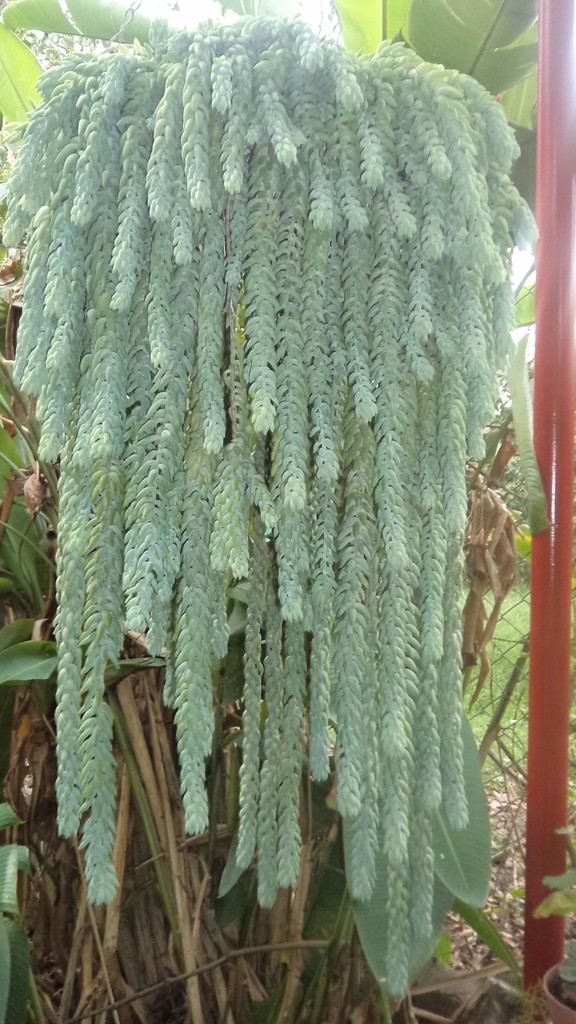
Burro's Tail
Sedum morganianum
Best for: People who travel or forget, in a home with pets
Elite tier: top-scoring on every measure
✓ Strong signal Light tolerance: Bright light with a few hours of gentle direct sun; morning sun is ideal, harsh midday sun can scorch
⚠ Watch out for Leaves raining off when handled: usually normal. the abscission zone on each leaf is hair-trigger by design
Our take Burro's tail is an easy, pet-safe trailing succulent with one defining quirk: its plump leaves detach at the slightest touch, so hang it somewhere it will never be brushed, bumped, or rearranged. Give it bright light with some direct sun, water only when the soil is fully dry, an
Strengths
- Genuinely goes weeks between waterings
- Non-toxic to cats and dogs
- Inexpensive to start ($10–$35 in the US)
Trade-offs
- Watch for: leaves raining off when handled
Care details
| Light | Bright light with a few hours of gentle direct sun; morning sun is ideal, harsh midday sun can scorch |
| Water | Every 2-3 weeks in the growing season, only when soil is completely dry; monthly or less in winter |
| Humidity | Low; dry air suits it |
| Temperature | 18-27°C (65-80°F); tolerates brief dips to around 5°C (40°F) if dry |
| Toxicity | Non-toxic to cats, dogs, and humans |
| US price | $10–$35 |
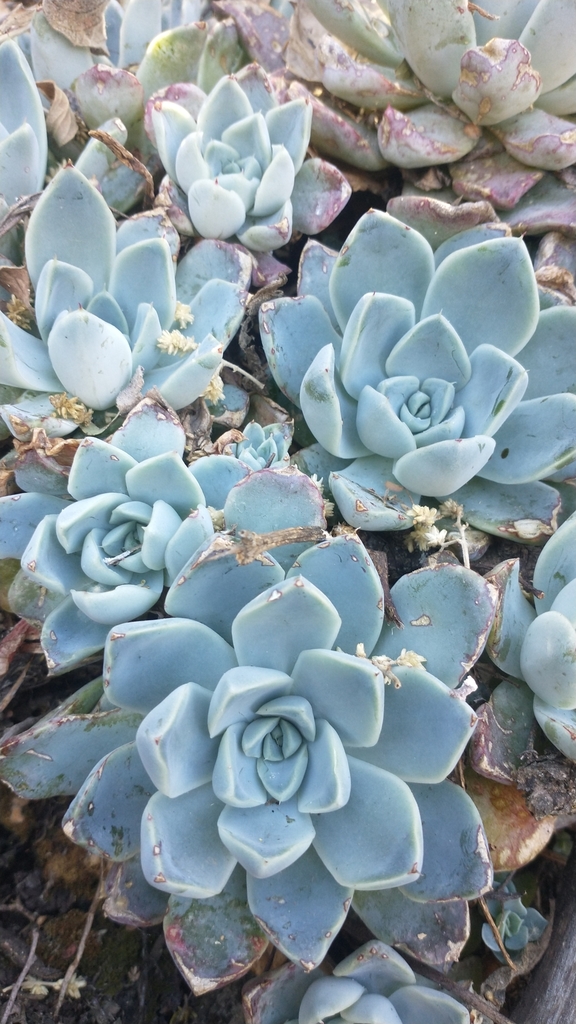
Echeveria
Echeveria elegans
Best for: People who travel or forget, in a home with pets
Elite tier: top-scoring on every measure
✓ Strong signal Light tolerance: Bright direct light. 4-6+ hours of sun; the most light-hungry common succulent
⚠ Watch out for Stretched, open rosette with wide leaf gaps: usually insufficient light (etiolation). the classic indoor failure
Our take Echeveria needs more direct sun than almost any other common houseplant. A south-facing windowsill at minimum, or it stretches and loses its tight rosette shape.
Strengths
- Genuinely goes weeks between waterings
- Non-toxic to cats and dogs
- Inexpensive to start ($5–$15 in the US)
Trade-offs
- Watch for: stretched, open rosette with wide leaf gaps
Care details
| Light | Bright direct light. 4-6+ hours of sun; the most light-hungry common succulent |
| Water | Every 2-3 weeks; only when soil is completely dry |
| Humidity | Low humidity preferred |
| Temperature | 18-27°C (65-80°F); many species tolerate brief near-freezing dips when dry |
| Toxicity | Non-toxic to cats, dogs, and humans |
| US price | $5–$15 |
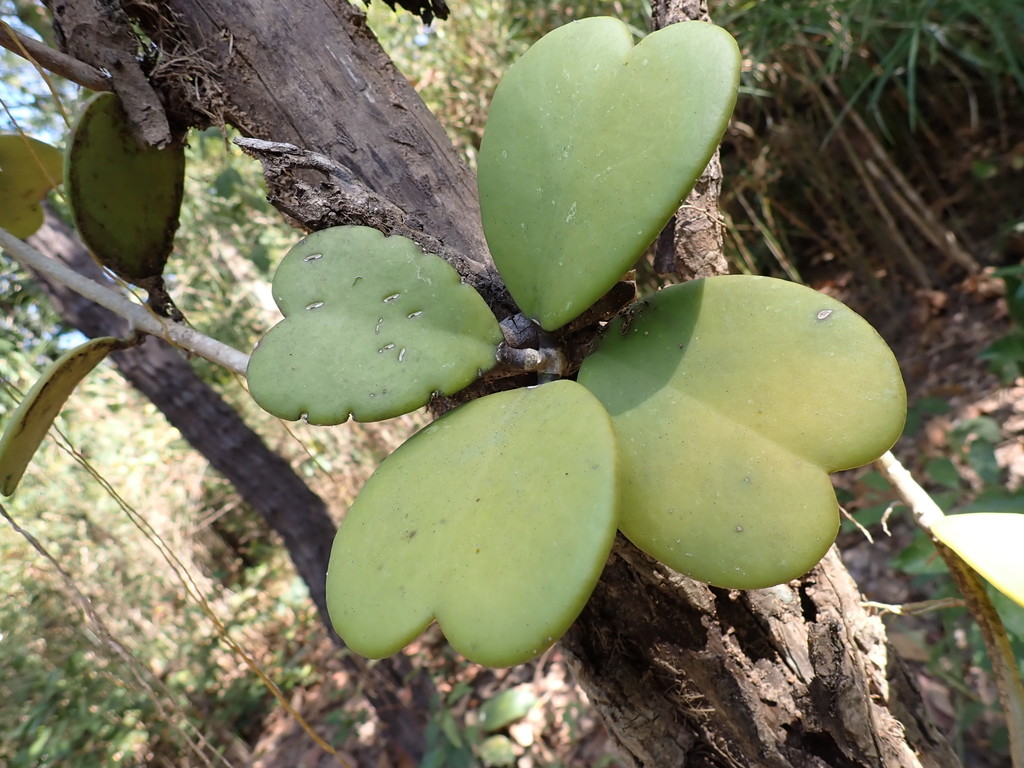
Hoya Kerrii
Lucky heart
Best for: People who travel or forget, in a home with pets
Elite tier: top-scoring on every measure
✓ Strong signal Light tolerance: Bright indirect light with some gentle direct sun. More light than most hoyas; too dark and it simply stops
⚠ Watch out for Single leaf healthy but never grows: usually no stem node. the leaf physically cannot produce a vine
Our take The single most important fact: a single-leaf 'sweetheart' hoya sold in a little pot usually has NO stem node. It will root and stay alive for years, but it will never grow a vine or a second leaf.
Strengths
- Genuinely goes weeks between waterings
- Non-toxic to cats and dogs
- Inexpensive to start ($8–$40 in the US)
Trade-offs
- Wants higher humidity than most homes provide
- Watch for: single leaf healthy but never grows
Care details
| Light | Bright indirect light with some gentle direct sun. More light than most hoyas; too dark and it simply stops |
| Water | Every 2-3 weeks, only when the mix is fully dry and leaves lose a little firmness |
| Humidity | 40-60% ideal; tolerates average homes thanks to succulent leaves |
| Temperature | 18-30°C (65-86°F); keep above 10°C (50°F) |
| Toxicity | Non-toxic to cats and dogs |
| US price | $8–$40 |
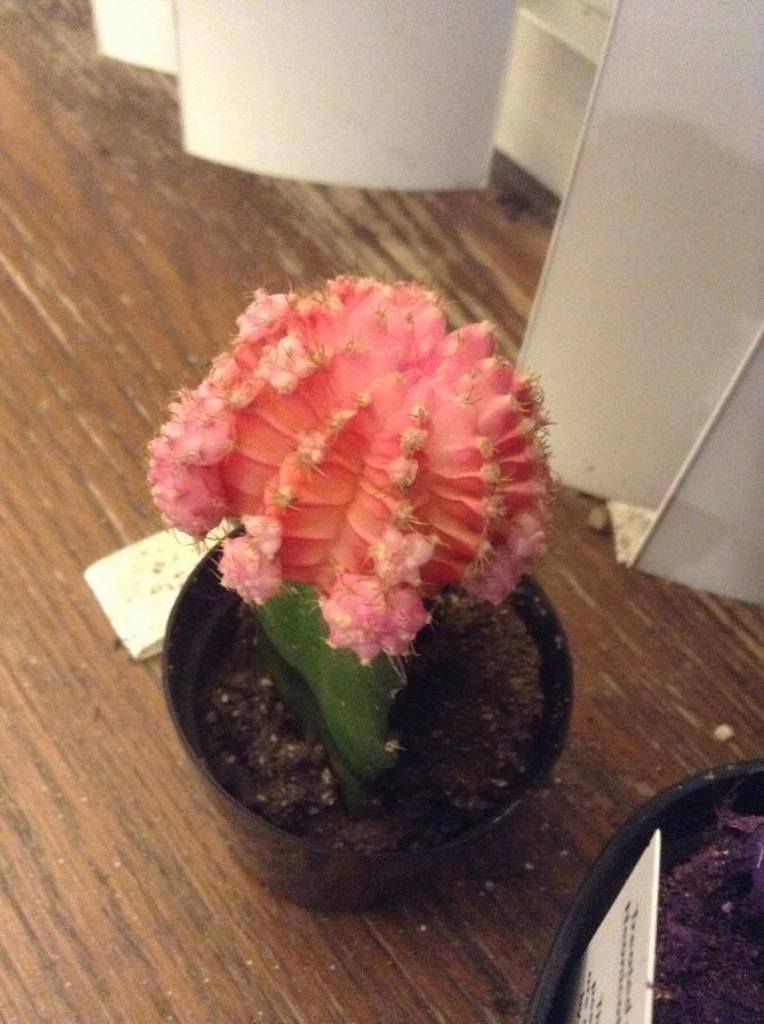
Moon Cactus
Red cap cactus
Best for: People who travel or forget, in a home with pets
Elite tier: top-scoring on every measure
✓ Strong signal Light tolerance: Bright indirect light; the coloured scion scorches in harsh direct sun and the rootstock etiolates in shade
⚠ Watch out for Coloured top shrivelling or browning while the base looks fine: usually the graft union is failing, or the scion has outgrown what the rootstock can supply
Our take The single most important thing to know before buying: the bright red, pink, orange or yellow ball on top is a mutant with no chlorophyll. It cannot photosynthesise, so it has been grafted onto a separate green cactus that feeds it.
Strengths
- Genuinely goes weeks between waterings
- Non-toxic to cats and dogs
- Inexpensive to start ($5–$12 in the US)
Trade-offs
- Watch for: coloured top shrivelling or browning while the base looks fine
Care details
| Light | Bright indirect light; the coloured scion scorches in harsh direct sun and the rootstock etiolates in shade |
| Water | Every 2-3 weeks in summer, monthly or less in winter; let the mix dry out fully |
| Humidity | Low; average indoor air is fine |
| Temperature | 18-27°C (65-80°F); keep above 10°C (50°F) |
| Toxicity | Non-toxic to cats and dogs; the spines are the real hazard, not the sap |
| US price | $5–$12 |
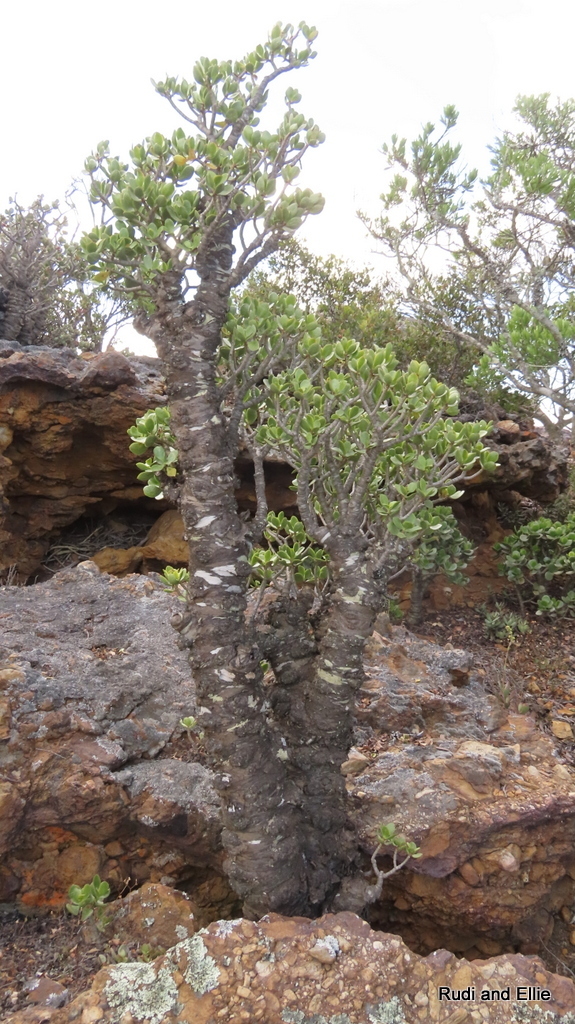
Jade Plant
Crassula
Best for: People who travel or forget, if you forget to water
Elite tier: top-scoring on every measure
✓ Strong signal Light tolerance: Bright light with at least 4 hours of direct or near-direct sun; a south or west window
⚠ Watch out for Leaves dropping while soft and yellowing, trunk soft near soil: usually overwatering. root and stem rot
Our take Jade plants want sun and neglect: a bright window with some direct light, gritty succulent mix, and water only when the soil is fully dry (every 2-3 weeks). They branch into genuine little trees, propagate from a single dropped leaf, and can live 50+ years.
Strengths
- Genuinely goes weeks between waterings
- Beginner-friendly and forgiving of missed waterings
- Inexpensive to start ($5–$30 in the US)
Trade-offs
- Toxic to pets if chewed
- Watch for: leaves dropping while soft and yellowing, trunk soft near soil
Care details
| Light | Bright light with at least 4 hours of direct or near-direct sun; a south or west window |
| Water | Every 2-3 weeks; only when the soil is completely dry, less in winter |
| Humidity | Low; dry indoor air is ideal |
| Temperature | 18-24°C (65-75°F); tolerates down to 7°C (45°F) if kept dry; no frost |
| Toxicity | Toxic to cats and dogs; mildly irritating to humans if eaten |
| US price | $5–$30 |
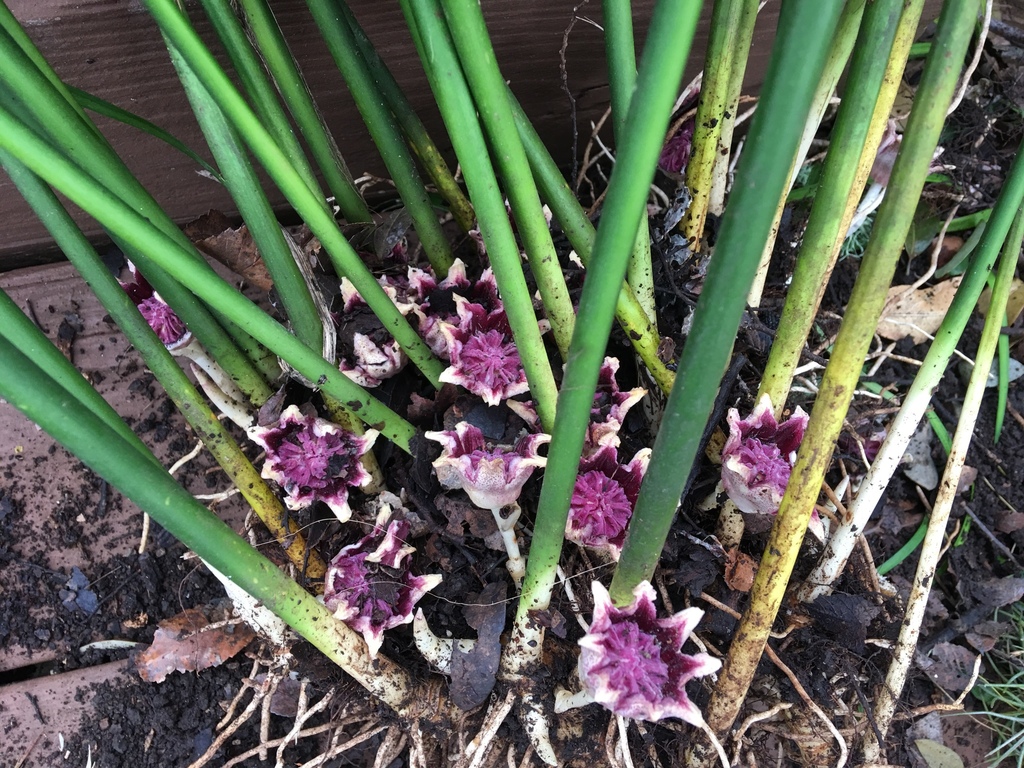
Cast Iron Plant
Haran / baran (Japanese)
Best for: People who travel or forget, in a home with pets
Elite tier: top-scoring on every measure
✓ Strong signal Light tolerance: Low to medium indirect light; deep shade tolerated; direct sun bleaches and scorches the leaves
⚠ Watch out for Brown, scorched patches on leaves: usually direct sunlight. the one thing this shade plant genuinely can't take
Our take Cast iron plant earns its name: it tolerates deep shade, dry air, cool rooms, and forgotten waterings better than virtually any other houseplant. Water when the top half of the soil dries, keep it out of direct sun, and accept that it grows slowly.
Strengths
- Genuinely goes weeks between waterings
- Non-toxic to cats and dogs
- Inexpensive to start ($15–$40 in the US)
Trade-offs
- Watch for: brown, scorched patches on leaves
Care details
| Light | Low to medium indirect light; deep shade tolerated; direct sun bleaches and scorches the leaves |
| Water | When the top half of the soil is dry. Every 1-2 weeks in summer, monthly in winter |
| Humidity | Anything: dry air is no problem |
| Temperature | 7-29°C (45-85°F); one of the most cold-tolerant common houseplants |
| Toxicity | Non-toxic to cats and dogs |
| US price | $15–$40 |
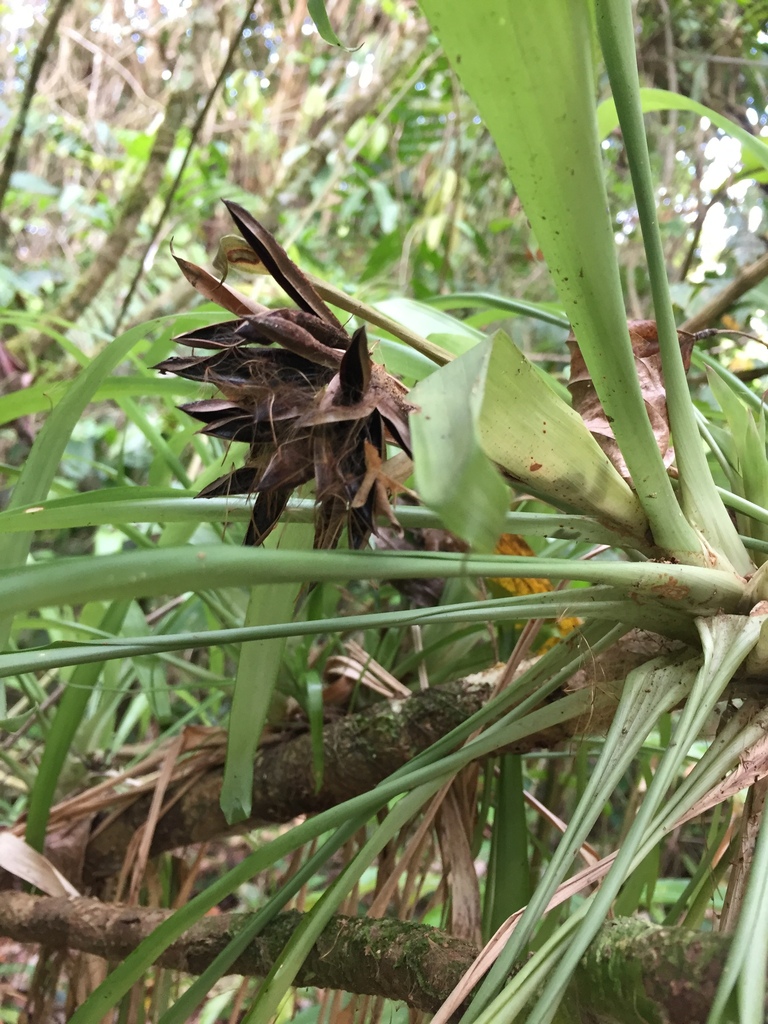
Guzmania
Guzmania lingulata
Best for: People who travel or forget, in a home with pets
Elite tier: top-scoring on every measure
✓ Strong signal Light tolerance: Bright, indirect light; direct sun bleaches the leaves
⚠ Watch out for Mother plant declining after bloom: usually natural monocarpic life cycle. every bromeliad does this
Our take Guzmania is watered mainly through the central cup (tank) formed by its leaves. Keep it a quarter full with filtered water, flushed monthly.
Strengths
- Genuinely goes weeks between waterings
- Non-toxic to cats and dogs
- Inexpensive to start ($12–$30 in the US)
Trade-offs
- Wants higher humidity than most homes provide
- Watch for: mother plant declining after bloom
Care details
| Light | Bright, indirect light; direct sun bleaches the leaves |
| Water | Keep central cup ¼ full with filtered/rain water; flush and refill monthly. Lightly moisten the mix weekly |
| Humidity | 50%+ preferred: a bright bathroom is ideal |
| Temperature | 18-27°C (65-80°F); avoid below 13°C (55°F) |
| Toxicity | Non-toxic to cats, dogs, and humans |
| US price | $12–$30 |
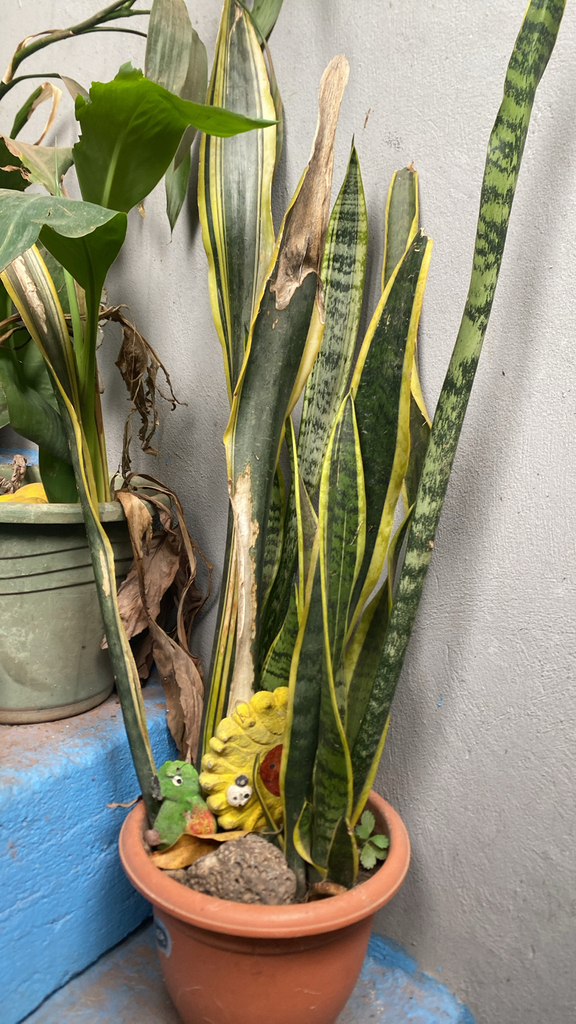
Snake Plant
Dracaena trifasciata
Best for: People who travel or forget, if you forget to water
Elite tier: top-scoring on every measure
✓ Strong signal Light tolerance: Tolerates everything from low light to direct sun; grows fastest in bright indirect light
⚠ Watch out for Mushy, collapsing leaves at the base: usually overwatering. effectively the only way this plant dies
Our take Snake plant tolerates nearly everything: low light, missed waterings, dry air, and neglect. Water every 2-6 weeks depending on season, only when soil is fully dry, and give it any light from dim to bright.
Strengths
- Genuinely goes weeks between waterings
- Beginner-friendly and forgiving of missed waterings
- Inexpensive to start ($15–$40 in the US)
Trade-offs
- Toxic to pets if chewed
- Watch for: mushy, collapsing leaves at the base
Care details
| Light | Tolerates everything from low light to direct sun; grows fastest in bright indirect light |
| Water | Every 2-4 weeks in the growing season, up to 6 weeks in winter; only when soil is fully dry |
| Humidity | Any household humidity is fine, including very dry air |
| Temperature | 15-29°C (60-85°F); avoid prolonged cold below 10°C (50°F) |
| Toxicity | Mildly toxic to cats and dogs if chewed |
| US price | $15–$40 |
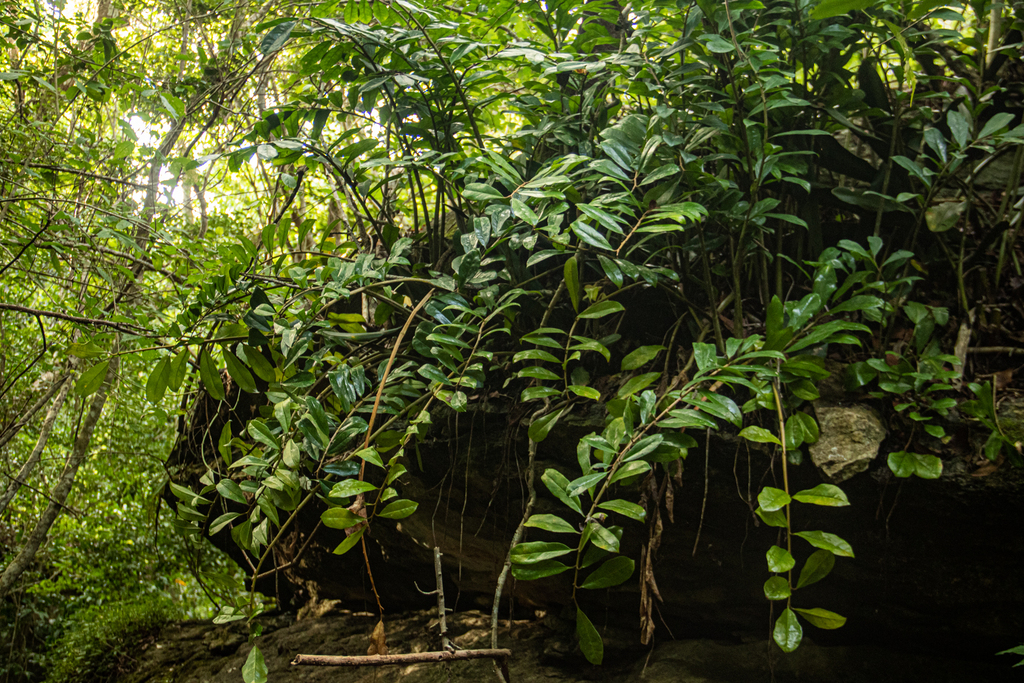
ZZ Plant
Zamioculcas zamiifolia
Best for: People who travel or forget, if you forget to water
Elite tier: top-scoring on every measure
✓ Strong signal Light tolerance: Low to bright indirect light; avoid harsh direct sun which yellows leaflets
⚠ Watch out for Yellowing stems and leaflets: usually overwatering rotting the rhizomes
Our take ZZ plant rivals snake plant as the most neglect-proof houseplant: its underground rhizomes store enough water for weeks, it tolerates dim light, and it shrugs off dry air. Water only when soil is fully dry (every 2-4 weeks), keep it out of direct sun, and don't overwater.
Strengths
- Genuinely goes weeks between waterings
- Beginner-friendly and forgiving of missed waterings
- Inexpensive to start ($15–$45 in the US)
Trade-offs
- Toxic to pets if chewed
- Watch for: yellowing stems and leaflets
Care details
| Light | Low to bright indirect light; avoid harsh direct sun which yellows leaflets |
| Water | Every 2-4 weeks; only when soil is completely dry |
| Humidity | Any household humidity, including very dry air |
| Temperature | 18-27°C (65-80°F); avoid below 10°C (50°F) |
| Toxicity | Toxic to pets and humans if chewed; sap may irritate skin |
| US price | $15–$45 |
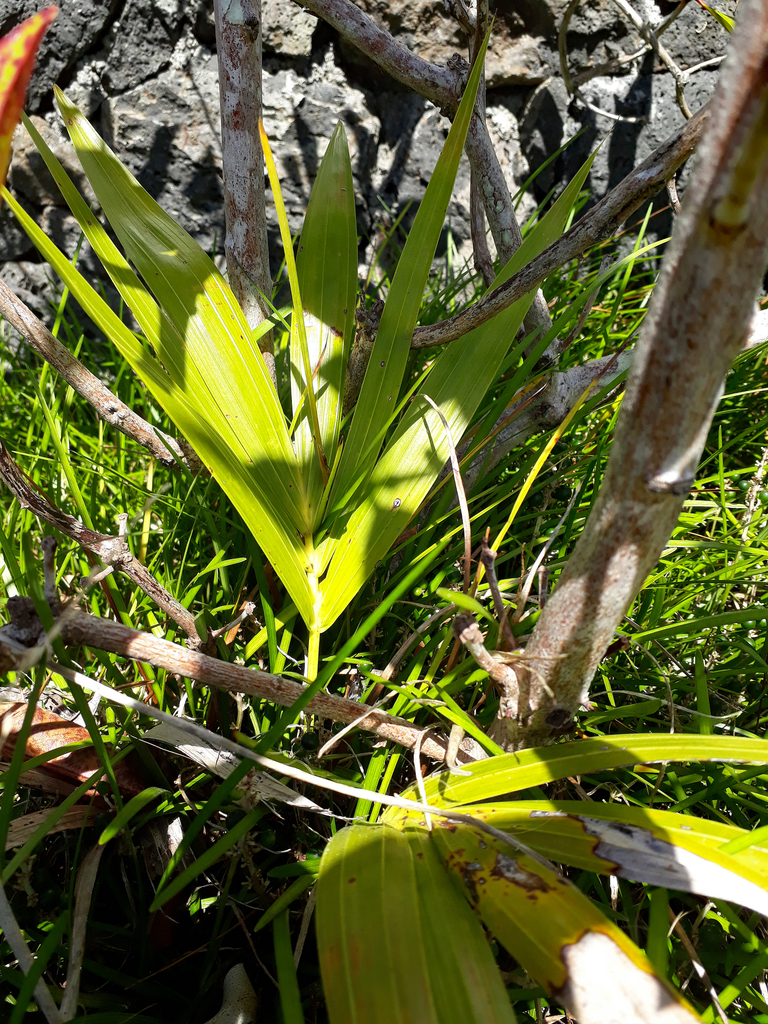
Kentia Palm
Howea forsteriana
Best for: People who travel or forget, in a home with pets
Strong pick: one clear trade-off
✓ Strong signal Light tolerance: Bright indirect light is ideal, but it tolerates genuinely low light better than any other palm; avoid hot direct sun
⚠ Watch out for Brown frond tips: usually dry air, fluoride/salts in tap water, or underwatering
Our take The kentia palm is the gold standard indoor palm: it tolerates lower light than any other commonly sold palm, shrugs off dry indoor air, and is non-toxic to pets. It is expensive ($60-$250+) because it grows very slowly and nurseries raise it for years before sale.
Strengths
- Genuinely goes weeks between waterings
- Non-toxic to cats and dogs
Trade-offs
- Pricier entry point ($60–$250 in the US)
- Wants higher humidity than most homes provide
- Watch for: brown frond tips
Care details
| Light | Bright indirect light is ideal, but it tolerates genuinely low light better than any other palm; avoid hot direct sun |
| Water | When the top 3-5cm of soil is dry. Roughly weekly in summer, every 2-3 weeks in winter |
| Humidity | Tolerates normal household humidity; browning tips lessen above 40-50% |
| Temperature | 16-26°C (60-80°F); tolerates brief dips to around 10°C (50°F) |
| Toxicity | Non-toxic to cats, dogs, and humans |
| US price | $60–$250 |
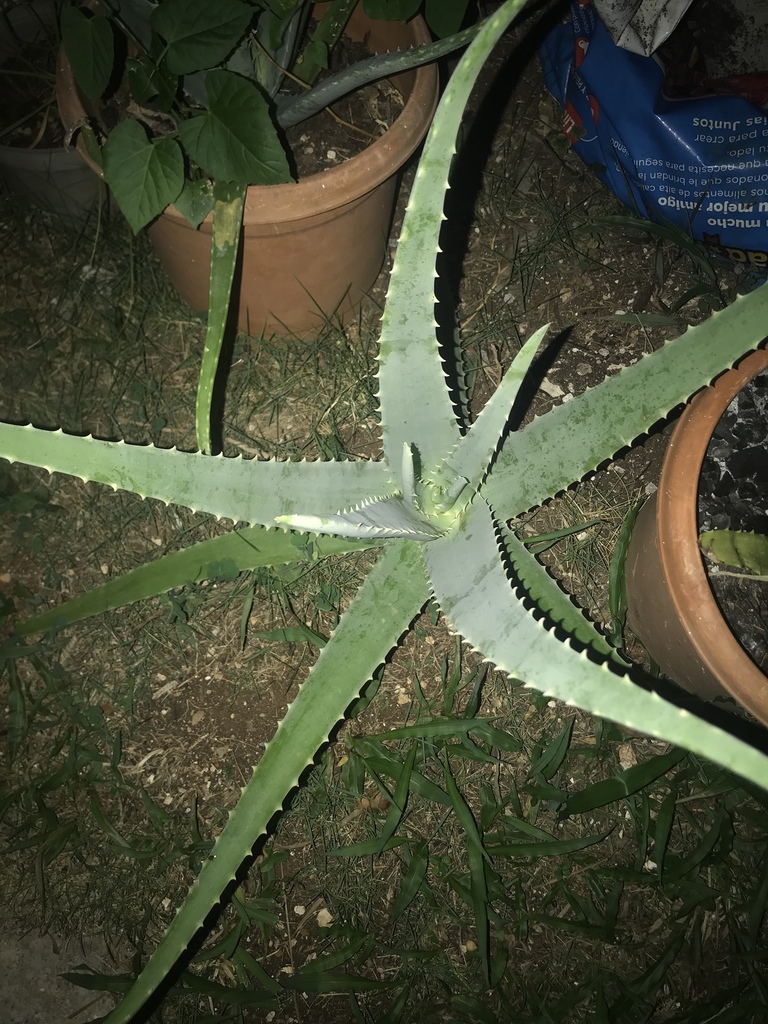
Aloe Vera
Burn plant
Best for: People who travel or forget
Strong pick: one clear trade-off
✓ Strong signal Light tolerance: Bright light with some direct sun. A south or west window; acclimate gradually to harsh summer sun
⚠ Watch out for Mushy, water-soaked leaves collapsing at the base: usually overwatering and root rot. the classic aloe killer
Our take Aloe vera needs a genuinely bright spot, a south or west window, gritty succulent mix, and water only when the soil is fully dry (every 2-3 weeks). It multiplies via pups, so one plant becomes many.
Strengths
- Genuinely goes weeks between waterings
- Inexpensive to start ($5–$25 in the US)
Trade-offs
- Toxic to pets if chewed
- Watch for: mushy, water-soaked leaves collapsing at the base
Care details
| Light | Bright light with some direct sun. A south or west window; acclimate gradually to harsh summer sun |
| Water | Every 2-3 weeks; soak thoroughly, then wait until the soil is completely dry |
| Humidity | Low; dry household air is ideal |
| Temperature | 18-27°C (65-80°F); protect below 10°C (50°F); frost destroys the water-filled leaves |
| Toxicity | Mildly toxic to cats and dogs (aloin latex); gel is used topically on human skin |
| US price | $5–$25 |
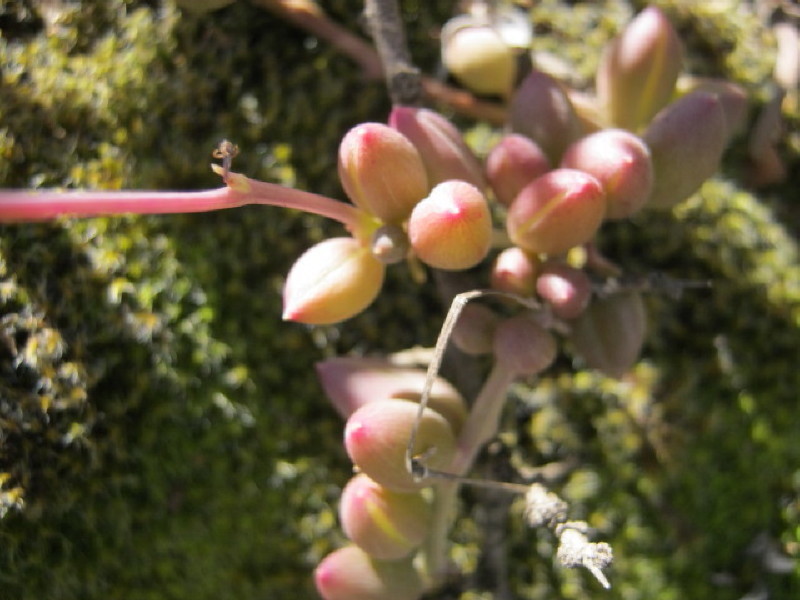
String of Bananas
Curio radicans
Best for: People who travel or forget
Strong pick: one clear trade-off
✓ Strong signal Light tolerance: Bright light with a few hours of gentle direct sun; tolerates bright indirect light better than string of pearls
⚠ Watch out for Mushy, translucent 'bananas' and rotting stems: usually overwatering or slow-draining soil
Our take String of bananas is the trailing succulent to buy if string of pearls keeps dying on you: faster growing, more drought- and error-tolerant, and just as pretty in a bright window. One important caveat: like string of pearls, it is toxic to cats and dogs, so hang it out of reach.
Strengths
- Genuinely goes weeks between waterings
- Inexpensive to start ($10–$25 in the US)
Trade-offs
- Toxic to pets if chewed
- Watch for: mushy, translucent 'bananas' and rotting stems
Care details
| Light | Bright light with a few hours of gentle direct sun; tolerates bright indirect light better than string of pearls |
| Water | When soil is completely dry. Every 1-2 weeks in summer, every 3-4 weeks in winter |
| Humidity | Low; ordinary dry room air is ideal |
| Temperature | 18-27°C (65-80°F); protect below 5°C (40°F) |
| Toxicity | Toxic to cats and dogs (irritant sap causing vomiting, drooling); can irritate human skin |
| US price | $10–$25 |
Stop guessing whether that corner is bright enough
Sodate measures the actual light where your plant sits and builds its watering schedule from that reading and your season, not a fixed interval. Currently in development.
See Sodate: coming soonWhat to check before buying
- Ask where the plant was grown. Greenhouse-grown stock looks perfect for weeks on stored energy before it shows dim-room stress
- Check leaf spacing on the stem: wide gaps mean it was already stretching for light before you bought it
- Choose plain-green over variegated for genuinely dim spots. Variegated leaves have less chlorophyll and need more light
- Inspect leaf undersides and stem joints for pests, which spread faster on plants stressed by low light
- Confirm pet toxicity yourself if you have cats or dogs, rather than relying on shelf labels
Red flags to walk away from
- 'Drought-tolerant' with no watering interval attached. Ask how many weeks, not whether it likes dry soil.
- Succulents and cacti sold in pots with no drainage hole. Drought tolerance is worthless if the water cannot leave.
- Plants sold in dense, peat-heavy mix. The mix holds water far longer than the plant wants, so the stated interval will not apply.
- Plants photographed in bright greenhouse conditions and sold for dim rooms. Ask how long the plant was grown under that light.
Best time to buy
No strong seasonal advantage. If anything buy in spring or summer, when the plant is in active growth and can recover from the root disturbance of repotting. Avoid buying drought-tolerant plants that have been sitting in wet nursery soil through winter, as root damage may already be done.
Frequently asked questions
How long can these plants actually go without water?
It depends on pot size, light and season, but the plants scoring 40 here have care profiles stating two to four weeks between waterings in active growth, and longer in winter. Check the water row on each plant's profile for its specific interval.
Will drought-tolerant plants die if I water them normally?
Many will, and this is the most common way people kill them. Overwatering, not underwatering, is the usual cause of death in this group. A weekly schedule applied to a plant that wants a fortnight is how root rot starts.
Can I leave these for a three-week holiday?
Most of the top-scoring plants here will be fine for two to three weeks if you water thoroughly before leaving and move them out of direct sun. Do not add extra water 'to compensate', as standing wet soil is what causes rot.
How do I judge the light in my room?
Look at the shadow cast on a bright day. A sharp-edged shadow means direct sun, a soft but definite shadow means bright indirect, and a barely visible shadow means low light.
Should I rotate my indoor plants?
Yes, a quarter turn every week or two. Indoor light is directional in a way outdoor light is not, and rotating prevents the lopsided growth that follows.
Limitations of this ranking
Stated plainly, so you can judge how much weight to give it:
- No physical testing. Nothing here was grown, timed or measured by us. Every score is computed from the structured care data on this site, which is compiled from the botanical and horticultural sources listed below.
- Prices are researched ranges, not live quotes. They are typical retail for a standard starter size and will drift. Each plant profile carries the regional breakdown for five countries.
- Scores are relative to this directory, which holds 208 profiles. A plant absent from the directory cannot appear here, so this is not a claim about every plant in existence.
- Care data is species-level. Your light, your water and your home will move any of these plants up or down more than the gap between adjacent ranks.
- No credentialed horticulturist has reviewed this. These pages are compiled and edited against a published rubric and cited sources. Where a claim matters, the source is linked below so you can check it rather than take it on authority. Our review panel page lists every section that has no expert reviewer yet and the credential we require to fill it.
Sources
Of the 208 plant profiles in this directory, 17 meet the entry bar for drought-tolerant indoor plants (8%). 10 of the 15 ranked here are non-toxic to cats and dogs, and the median entry price across the list is $10.
- ASPCA Toxic and Non-Toxic Plant List. Species-level toxicity to cats and dogs, used for every pet-safety score.
- GBIF (Global Biodiversity Information Facility). Accepted botanical names and taxon identifiers for every profile.
- iNaturalist. Source of the CC-licensed photographs, with photographer and licence credited per image.
- RHS Plant Finder. UK cultivation guidance, hardiness ratings and cultivar naming.
- Missouri Botanical Garden Plant Finder. Cross-checked culture notes, mature size and problem diagnosis.
Editorial disclosure: no plant on this page is sponsored, and Sodate takes no payment, commission or affiliate revenue for placement. Rankings are generated from the data by the scoring code in this site's repository, not chosen by hand. Published , last updated .