 Sodate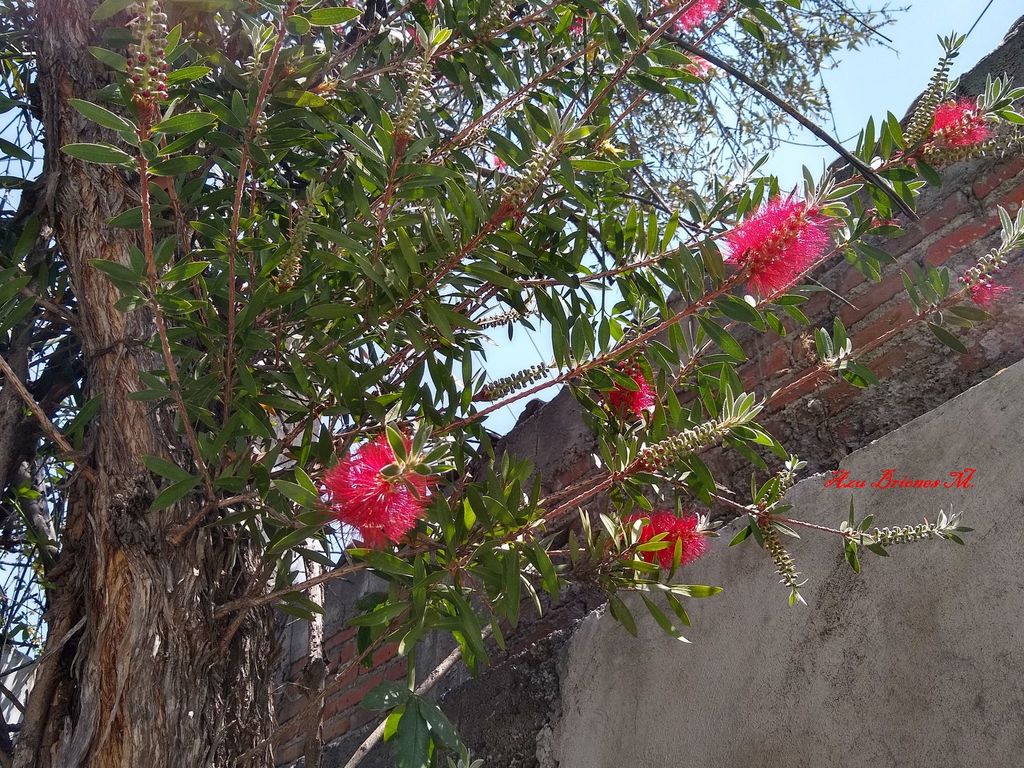
On this page
Bottlebrush is one of the easiest Australian natives: full sun, tolerant of poor, wet or dry soil, and it responds well to hard pruning. The critical care fact is shared with other Australian natives: it is phosphorus-sensitive, and standard garden fertiliser can kill it, so use a low-phosphorus native feed or nothing. Prune straight after flowering, before it sets the woody seed capsules that persist for years. Non-toxic to cats and dogs.
Key facts
- Phosphorus-sensitive like most Australian natives. Standard high-phosphorus fertiliser causes toxicity and can kill the plant.
- The 'brush' is made of hundreds of long nectar-rich stamens rather than petals, and it is a major food source for honeyeaters and lorikeets.
- Unusually for a dry-country native, many callistemons tolerate periodically waterlogged soil, since several species grow along creek beds.
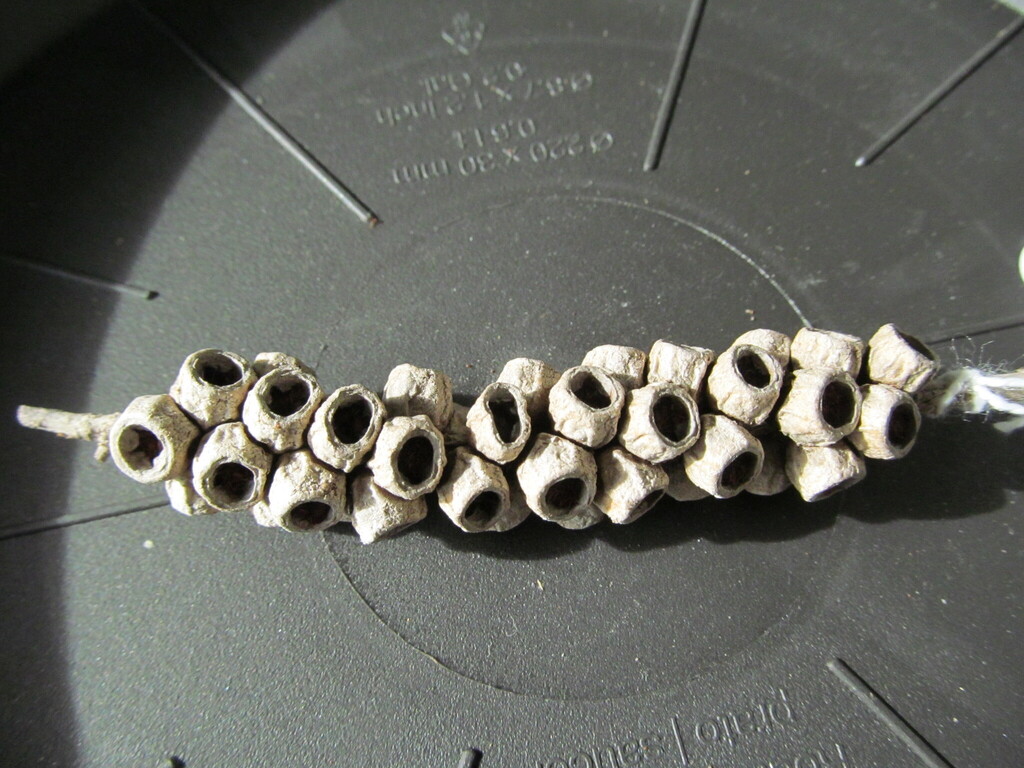
- Woody seed capsules stay clamped shut on the stems for years and only release seed after fire or when the branch dies.
- Non-toxic to cats and dogs.
Care requirements#
| Plant type | Evergreen shrub or small tree; hardy roughly USDA 8-11 and across most of temperate Australia |
| Native range | Eastern and southeastern Australia, often along watercourses and in damp ground |
| Light needs | Full sun for best flowering; tolerates light shade with fewer blooms |
| Soil | Very adaptable: sand, clay, and even periodically waterlogged ground; most species tolerate poor drainage better than other natives |
| Soil pH | 5.5-7.5, tolerating acidic to neutral soils |
| Phosphorus sensitivity | Critical: use only native low-phosphorus fertiliser. Standard garden feed causes leaf blackening and can kill the plant |
| Fertilizer | Usually unnecessary. If feeding, a native low-phosphorus formulation once in spring at half rate |
| Water needs | Water through the first year; established plants are drought-tolerant and also cope with wet spells |
| Spacing | 1.5-3m apart as a shrub, 3-4m for tree forms; 80cm-1m for a hedge |
| Pruning | Prune immediately after flowering, cutting behind the spent brush before seed capsules form; it reshoots readily from old wood, unlike wattles |
| Wildlife value | A key nectar source for honeyeaters, lorikeets and native bees |
| Toxicity | Non-toxic to cats, dogs, and humans |
Growth & propagation#
| Mature size | 1-8m depending on species and cultivar; dwarf forms stay under 1m |
| Growth rate | Moderate to fast, around 30-60cm a year |
| Lifespan | 20-50 years, considerably longer-lived than a wattle |
| Propagation methods | Semi-hardwood cuttings in summer, or seed released from the woody capsules by drying them indoors |
| Propagation difficulty | Easy from cuttings; cultivars must be taken from cuttings to come true |
| Flowering age | Usually flowers within two to three years |
Common problems & troubleshooting#
| Symptom | Likely cause | Fix |
|---|---|---|
| Leaves yellow with blackened tips soon after fertilising | Phosphorus toxicity from standard garden fertiliser | Stop feeding, leach the soil with deep watering, and use only native low-phosphorus feed in future |
| Woody bumps clustered along the stems | Old seed capsules, which are normal, or bottlebrush gall | Seed capsules are harmless and can be pruned off for tidiness; prune out and destroy true galls |
| Few flowers on a healthy bush | Too much shade, or pruning at the wrong time of year | Move to full sun and prune only immediately after flowering, never in late winter when buds are forming |
| Leaves silvered and stippled | Sawfly larvae or scale insects | Hose off, prune out heavy infestations, and encourage predatory insects rather than spraying |
| Bare leggy base with all growth at the top | Never pruned | Cut back hard right after flowering. Callistemon reshoots reliably from old wood, which most natives will not |
The fertiliser that kills natives
Sodate flags which plants need low-phosphorus feed, so an all-purpose fertiliser never reaches your native bed.
Seasonal care#
Varieties & cultivars#
| Variety | Distinguishing trait | Note |
|---|---|---|
| Callistemon viminalis 'Captain Cook' | Compact weeping form with red brushes | The most widely planted garden bottlebrush |
| Callistemon citrinus 'Endeavour' | Large crimson brushes, upright shrub | Reliable and vigorous |
| Callistemon 'Little John' | Dwarf to 1m with blue-green foliage | Best choice for small gardens and containers |
| Callistemon salignus (willow bottlebrush) | Small tree with cream flowers and papery bark | Good street and screening tree |
Buying checklist#
- Check the mature size of the specific cultivar, which ranges from 1m to 8m
- Dense bushy growth from the base rather than a single bare leggy stem
- No circling roots in the pot
- Ask whether the nursery used low-phosphorus native potting mix
Pricing by region#
| Region | Price range | Typical unit | Basis |
|---|---|---|---|
| Australia | $8 – $27 | 140-200mm pot | Native nursery retail |
| US | $15 – $50 | 3 gallon pot | Nursery retail, mainly CA/FL/TX |
| UK | $20 – $60 | 3L pot | Garden centre; needs a sheltered mild site |
| India | $3 – $15 | potted plant | Nursery retail; widely grown ornamentally |
| Canada | $22 – $60 | potted plant | Specialist nursery; container or mild coastal only |
USD figures are approximate conversions for comparison; switch the dropdown to see each region's actual local-currency listing price.
Often confused with#
Name confusion warning#
Botanists have moved Callistemon into Melaleuca, so nursery labels may say either. The plant and its care are unchanged.
Where it's actually grown#
Bottlebrushes are propagated from cuttings by native plant nurseries across Australia, and by ornamental nurseries in California, Florida, the Mediterranean, India and South Africa, where they are widely planted as street and garden shrubs.
Import & biosecurity restrictions#
| Region | Note |
|---|---|
| Australia | Native and unrestricted; plant species suited to your region. |
| US | Widely grown in California, Florida and Texas; not federally restricted, but check state invasive lists in Hawaii and Florida. |
| UK | Imports need phytosanitary paperwork; only reliable outdoors in mild sheltered coastal gardens. |
| India | No specific restriction; widely planted as an ornamental street and garden shrub. |
| Canada | CFIA permits required for imports; grown as a container or conservatory plant outside the mildest coastal areas. |
Similar plants
Ranked in these guides
Did you know?
Frequently asked questions
Why can't I use normal fertiliser on a bottlebrush?
Australian natives evolved on phosphorus-poor soils and cannot regulate phosphorus uptake. Standard high-phosphorus fertiliser causes leaf blackening and can kill the plant, so use a low-phosphorus native feed or none.
When should I prune a bottlebrush?
Immediately after flowering, cutting just behind the spent brush before the woody seed capsules form. Pruning in winter removes the developing spring flower buds.
Is bottlebrush toxic to cats or dogs?
No, Callistemon is non-toxic to cats and dogs.
Can bottlebrush be cut back hard?
Yes. Unlike wattles and many other natives, callistemon reshoots reliably from old wood, so a leggy plant can be renovated by hard pruning after flowering.
Does bottlebrush tolerate wet soil?
Better than most Australian natives. Several species grow naturally along creek beds and cope with periodically waterlogged ground.