 Sodate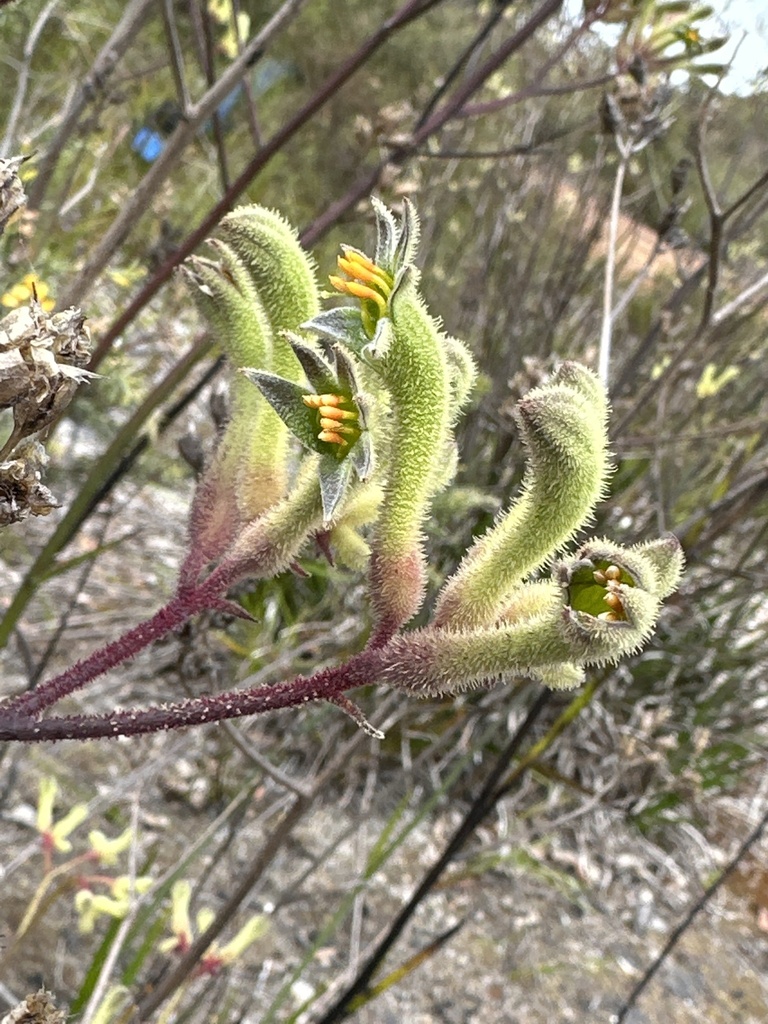
On this page
Kangaroo paw wants what Western Australia gave it: full sun, sandy fast-draining soil, dryish summers, and almost no phosphorus. Feed only with a native/low-P fertilizer, cut old flowered fans to the ground each year, and watch for ink spot disease in humid weather. Tall A. flavidus hybrids are far tougher and longer-lived than the compact dwarf forms. Plants cost A$10-A$25 in Australia, $12-$30 in the US.
Key facts
- Native to the sandplains of southwest Western Australia, one of the world's most phosphorus-poor landscapes. Which is why standard fertilizer can poison it. Use a low-phosphorus native formulation only.
- The fuzzy, tubular 'paw' flowers are built for birds: in Australia honeyeaters and wattlebirds pollinate them, and in gardens abroad hummingbirds and sunbirds take over the job.
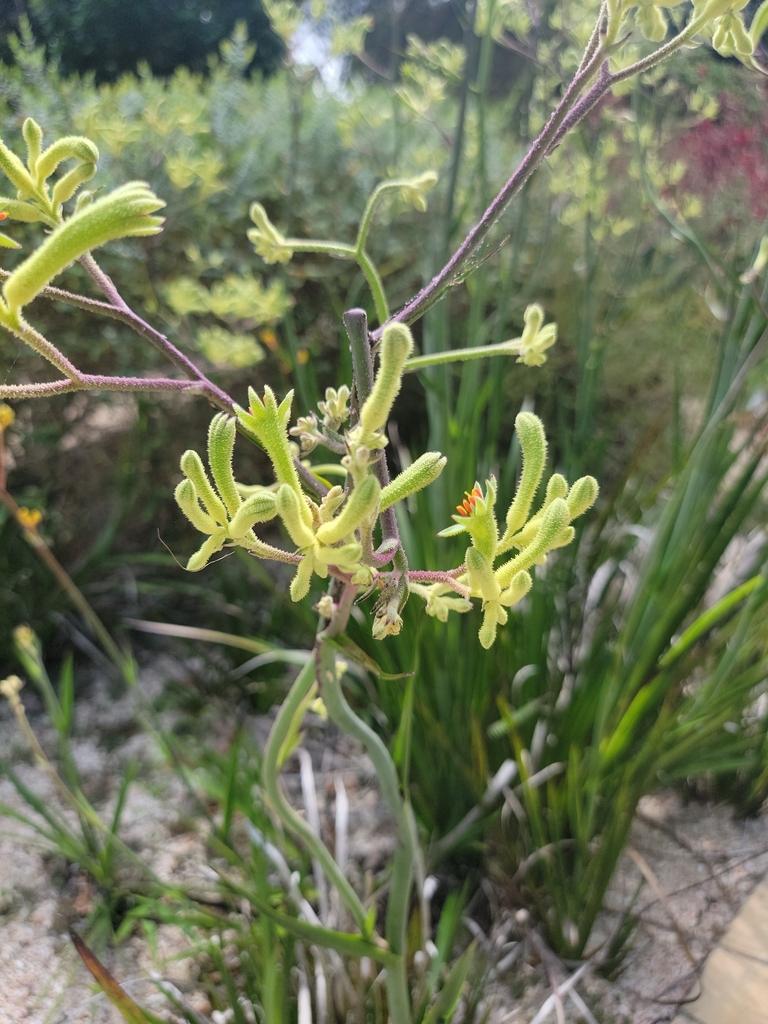
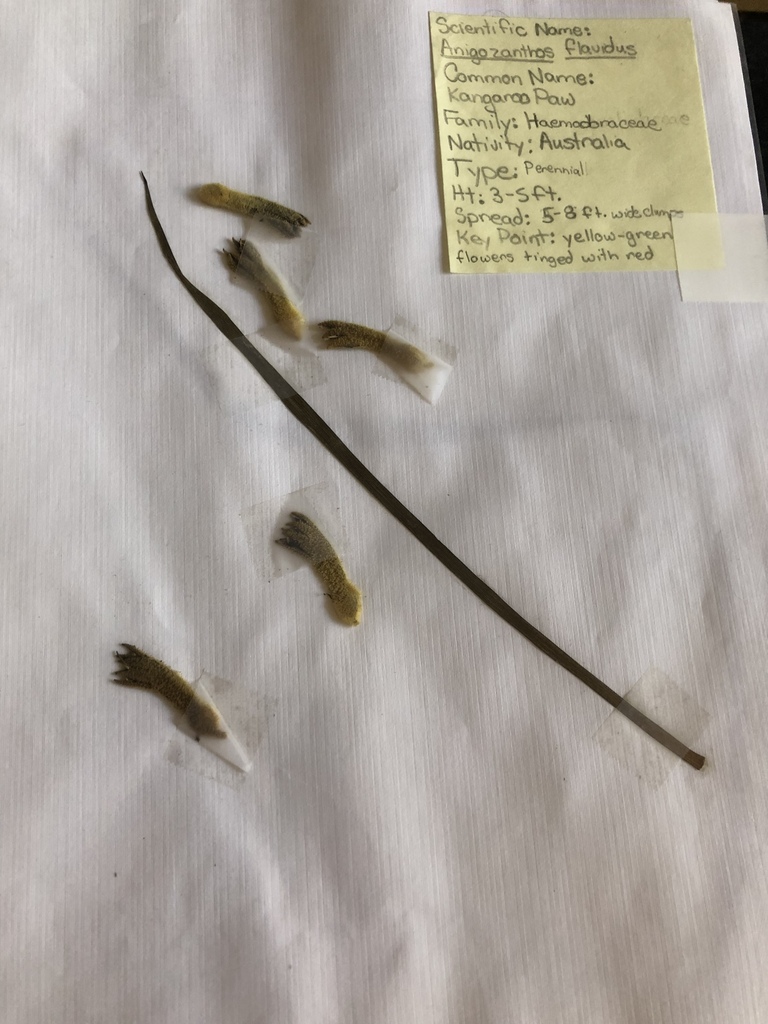
- Anigozanthos flavidus (the tall kangaroo paw) is the toughest, longest-lived species and the parent of most garden hybrids; the cute dwarf pot forms are often short-lived by comparison.
- The red-and-green kangaroo paw (Anigozanthos manglesii) is the floral emblem of Western Australia.
Care requirements#
| Plant type | Outdoor evergreen rhizomatous perennial |
| Growing medium | Sandy or gritty, sharply drained soil; raised beds on clay sites |
| Light needs | Full sun. 6+ hours; flowering and disease resistance both drop in shade |
| Water frequency | Moderate while establishing and in flower; keep lean and let soil dry between waterings |
| Humidity | Prefers dry air; humid summers invite ink spot disease |
| Temperature range | Best 10-35°C; tall hybrids tolerate light frost to about -2°C |
| Fertilizer | Low-phosphorus native formulation only, once or twice a year. Standard high-P fertilizer damages the roots |
| Soil pH | 5.8-6.5 (slightly acidic) |
| Drainage needs | Very high, waterlogged rhizomes rot quickly |
| Spacing | 40-80cm depending on variety |
| Hardiness zone (outdoor) | USDA 9-11 (tall flavidus hybrids the hardiest) |
| Toxicity | Non-toxic to cats and dogs |
Growth & propagation#
| Mature size | Dwarf forms 30-50cm; tall A. flavidus hybrids 1-2m in flower |
| Growth rate | Fast: a division can flower the same year |
| Propagation methods | Division of rhizome clumps in autumn or spring; species also from seed |
| Propagation difficulty | Easy by division; hybrids don't come true from seed |
| Repotting/renewal | Divide clumps every 2-3 years to keep vigour |
| Pruning needs | Cut each spent flowering fan to ground level. The fan dies after blooming anyway |
Common problems & troubleshooting#
| Symptom | Likely cause | Fix |
|---|---|---|
| Black splotches spreading down leaves | Ink spot (fungal, Alternaria). Worst in humid, crowded, shaded plantings | Cut affected fans to the ground, improve sun and airflow, water at the base only; choose flavidus hybrids, which resist it best |
| Plant collapses after regular garden feeding | Phosphorus toxicity. Kangaroo paw evolved on P-starved sands | Stop standard fertilizer immediately; feed only low-P native blends and let rain leach the soil |
| Rhizome turns mushy, fans pull away | Root/rhizome rot in heavy or waterlogged soil | Replant survivors into raised, sandy, free-draining ground and water sparingly |
| Few flowers, floppy leaves | Too much shade or overwatering | Move to full sun, cut watering back; cut old fans out to push fresh flowering growth |
| Leaves notched and stems chewed overnight | Snails and slugs love the strappy new growth | Bait or hand-pick after rain; keep mulch pulled back from the crown |
Water like it's a WA summer
Sodate keeps kangaroo paw on a lean watering schedule so you never drift into the soggy conditions that rot it.
Seasonal care#
Varieties & cultivars#
| Variety | Distinguishing trait | Note |
|---|---|---|
| 'Bush Gems' series (e.g. Bush Pearl) | Compact, floriferous pot and border forms | Bred for disease resistance; still shorter-lived than tall types |
| Anigozanthos flavidus hybrids ('Landscape' types) | 1.5-2m stems, toughest constitution | Best choice for permanent garden planting |
| Anigozanthos manglesii | Iconic red-and-green flowers | WA floral emblem; beautiful but short-lived and fussier |
Buying checklist#
- Clean green fans with no black ink-spot blotching
- Ask whether it's a tall flavidus hybrid (long-lived) or a dwarf pot form (often 1-3 seasons)
- Multiple fans in the pot means more flower stems in year one
- Firm base: a wobbly, mushy crown signals rhizome rot
Pricing by region#
| Region | Price range | Typical unit | Basis |
|---|---|---|---|
| US | $12 – $30 | 1 gal pot | West Coast nursery retail |
| UK | $12 – $32 | 2-3L pot | Garden centre / specialist retail (patio plant) |
| India | $4 – $12 | potted plant | Specialty online nurseries (uncommon) |
| Australia | $7 – $17 | 140-200mm pot | Nursery + hardware garden centres |
| Canada | $12 – $28 | 1 gal pot | Seasonal patio-plant retail |
USD figures are approximate conversions for comparison; switch the dropdown to see each region's actual local-currency listing price.
Often confused with#
Where it's actually grown#
Nearly all commercial kangaroo paws are tissue-cultured named hybrids from Australian breeding programs (notably the Bush Gems series), grown on by wholesale nurseries in Australia, California, and the Canary Islands for the garden and cut-flower trade.
Import & biosecurity restrictions#
| Region | Note |
|---|---|
| Australia | Native and unrestricted domestically; live plant imports into Australia are restricted under biosecurity law, and WA has its own interstate quarantine rules. |
| US | No restriction; grown outdoors in California and the Southwest, elsewhere as a patio pot plant. |
| UK | No restriction; not winter-hardy, so grown as a container plant overwintered under cover. |
| India | No specific restriction; uncommon, suited to dry-winter regions with sharp drainage. |
| Canada | CFIA phytosanitary rules for imports; strictly a summer patio/greenhouse plant. |
Similar plants
Ranked in these guides
Did you know?
Frequently asked questions
Why did fertilizer kill my kangaroo paw?
It evolved on phosphorus-starved West Australian sands, so the phosphorus in standard fertilizer is toxic to it. Use only a low-P native-plant formulation.
Are kangaroo paws pet-safe?
Yes, they're non-toxic to cats and dogs.
Why do the leaves get black blotches?
That's ink spot disease, a fungal problem triggered by humidity, shade, and crowding. Cut affected fans out, give it full sun and airflow, and favour tough A. flavidus hybrids.
Do I cut kangaroo paw back?
Yes. Each fan flowers once and then dies, so cut spent fans right to the ground; the rhizome pushes fresh replacements.
How long do kangaroo paws live?
Tall flavidus hybrids persist for many years and can be divided indefinitely; compact dwarf forms often fade after 1-3 seasons.