 Sodate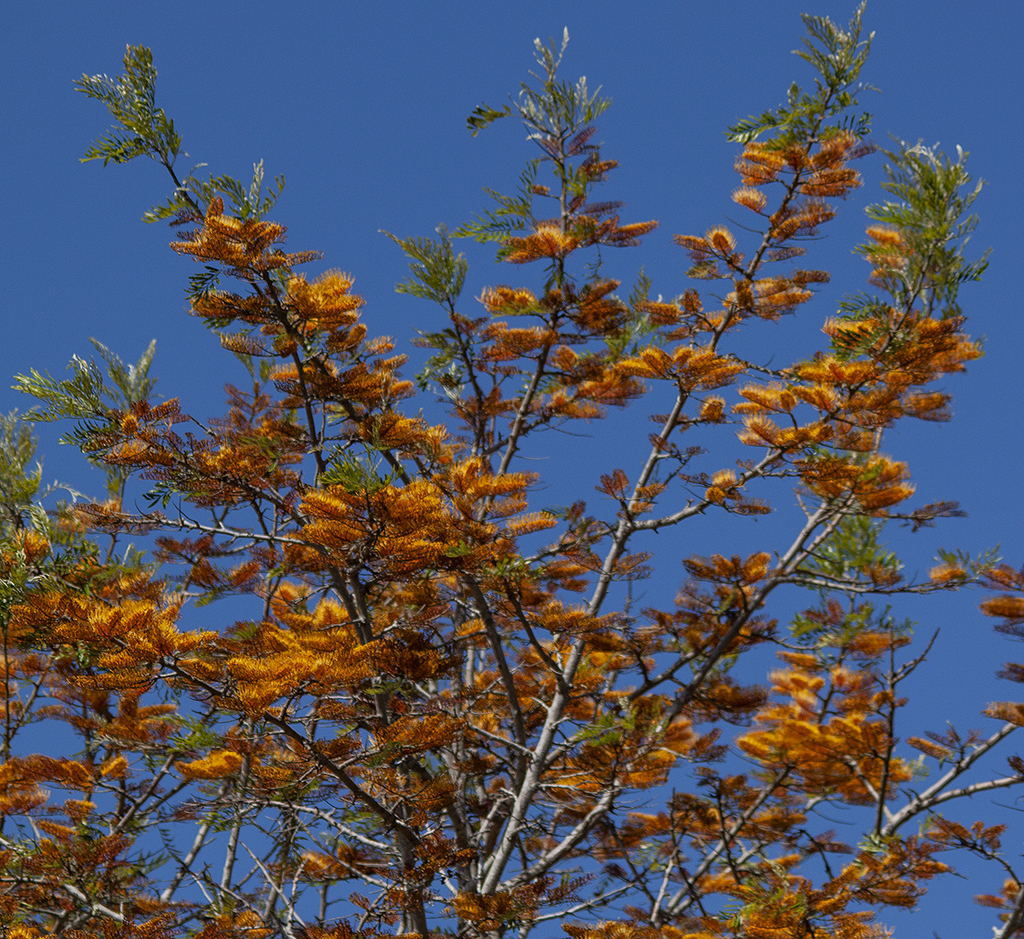
On this page
Grevilleas thrive on neglect in full sun and fast-draining soil. The one thing that reliably kills them is ordinary fertilizer. They're proteaceous, so the phosphorus in standard feeds is toxic to their specialized roots: use a low-P native formulation or nothing. Pick garden hybrids like 'Robyn Gordon' for near year-round bird-feeding flowers; the silky oak (G. robusta) is a full-size timber tree, not a shrub. Shrubs cost A$12-A$30 in Australia.
Key facts
- Like all Proteaceae, grevilleas grow dense 'proteoid' cluster roots that mine phosphorus from Australia's ancient, P-starved soils. So a dose of standard high-phosphorus fertilizer overloads and kills them. Feed low-P native blends only.
- The nectar output is extraordinary: hybrids like 'Robyn Gordon' flower nearly all year and function as permanent feeding stations for honeyeaters, and for hummingbirds where planted in the Americas.
- Grevillea robusta, the silky oak, is the biggest of the genus. A 20-30m tree grown worldwide for timber and as coffee-plantation shade, and considered weedy/invasive in parts of Hawaii, South Africa, and elsewhere.
- Foliage and flowers of many species can irritate skin (contact dermatitis), and the flowers of some, like G. banksii, contain cyanogenic compounds. Plant away from paths and keep kids from chewing them.
Care requirements#
| Plant type | Outdoor evergreen shrub (most hybrids); G. robusta is a large tree |
| Growing medium | Sandy, gravelly, or loamy soil with sharp drainage; raised beds on clay |
| Light needs | Full sun for dense growth and heavy flowering; tolerates very light shade |
| Water frequency | Weekly while establishing; established plants are largely rain-fed |
| Humidity | Dry to moderate; humid climates favour scale and sooty mould |
| Temperature range | Most hybrids happy 5-40°C; many tolerate light frost to about -3°C once established |
| Fertilizer | Low-phosphorus native fertilizer once in spring, or none. Standard fertilizer is toxic to proteaceous roots |
| Soil pH | 5.5-6.5; most dislike alkaline soil |
| Drainage needs | High: root rot in heavy wet ground is the other big killer |
| Spacing | 1.5-3m for shrub hybrids; 10m+ for silky oak |
| Hardiness zone (outdoor) | USDA 9-11 depending on species |
| Toxicity | Skin irritant for sensitive people; flowers/foliage of some species mildly toxic if chewed. Keep pets and children from eating them |
Growth & propagation#
| Mature size | Groundcovers 0.3m; popular hybrids 1.5-3m; silky oak 20-30m |
| Growth rate | Fast: hybrids fill out in 2-3 seasons |
| Propagation methods | Semi-hardwood cuttings in late summer; species also from seed |
| Propagation difficulty | Moderate: cuttings strike reliably with bottom heat; hybrids must be cutting-grown |
| Pruning needs | Light trim after each flush keeps shrubs dense; never cut into bare old wood |
| Lifespan | Shrub hybrids typically 10-20 years |
Common problems & troubleshooting#
| Symptom | Likely cause | Fix |
|---|---|---|
| Whole plant yellows and collapses weeks after feeding | Phosphorus toxicity from standard fertilizer. The classic grevillea death | Never use general-purpose or rose/citrus feeds; switch to a native low-P blend (roughly P below 2%) or skip feeding entirely |
| Sudden wilting and death in wet weather | Phytophthora root rot in poorly drained soil | Plant on mounds or raised beds, avoid summer overwatering; there is no cure once collapse starts |
| Yellow leaves with green veins on limey soil | Iron chlorosis. Most grevilleas hate alkaline pH | Apply iron chelate as a patch-up, but long-term choose lime-tolerant species or lower the pH with sulfur |
| Black sooty film on leaves and stems | Sooty mould growing on honeydew from scale insects | Treat the scale with horticultural oil; the mould weathers off afterwards |
| Itchy rash after pruning | Contact dermatitis from foliage and sawdust. Well documented, especially with G. robusta | Wear gloves and long sleeves when pruning; wash skin promptly |
Feed it almost nothing, on schedule
Sodate reminds you of the one annual low-P feed and keeps watering lean, so you never kill a grevillea with kindness.
Seasonal care#
Varieties & cultivars#
| Variety | Distinguishing trait | Note |
|---|---|---|
| 'Robyn Gordon' | Red toothbrush flowers virtually all year, 1.5m shrub | The most-planted grevillea in the world |
| 'Moonlight' | Large creamy-white flower brushes, 3m screen | Fast informal hedge |
| Grevillea robusta (silky oak) | 20-30m tree, golden flower combs, ferny leaves | A timber tree. Not for small gardens; weedy in some regions |
| Grevillea lanigera (woolly grevillea) | Prostrate groundcover, pink spider flowers | Hardiest for cool climates |
Buying checklist#
- Dense, unblemished foliage with no yellowing (chlorosis shows early in the pot)
- Check the label: a 'grevillea' may be a 30cm groundcover or a 30m silky oak
- Roots not spiralling out of the pot base. Proteaceous roots resent disturbance later
- Buds or flowers present on hybrids. Good ones bloom even in small pots
Pricing by region#
| Region | Price range | Typical unit | Basis |
|---|---|---|---|
| US | $15 – $45 | 1-5 gal pot | California/Southwest native-adjacent nurseries |
| UK | $15 – $38 | 2-3L pot | Specialist + coastal garden centres |
| India | $1 – $5 | silky oak sapling | Forestry/plantation nurseries (G. robusta as shade tree) |
| Australia | $8 – $20 | 140-200mm pot | Nursery + hardware garden centres |
| Canada | $16 – $40 | 1-2 gal pot | BC coastal + specialty retail |
USD figures are approximate conversions for comparison; switch the dropdown to see each region's actual local-currency listing price.
Often confused with#
Name confusion warning#
"Grevillea" spans a 30cm groundcover to a 30m timber tree. Buying unlabeled "grevillea" seedlings can land you a silky oak (G. robusta) that swallows a suburban garden. Check the species or cultivar name before planting.
Where it's actually grown#
Garden grevilleas are cutting-grown named hybrids from Australian wholesale nurseries, with Californian growers supplying the US West Coast; G. robusta is raised from seed by forestry nurseries across India, East Africa, and South America for shade and timber plantations.
Import & biosecurity restrictions#
| Region | Note |
|---|---|
| Australia | Native and unrestricted domestically; live imports into Australia are restricted under biosecurity law, with WA quarantine rules applying interstate. |
| US | No federal restriction; G. robusta is regarded as invasive in parts of Hawaii, prefer shrub hybrids there. |
| UK | No restriction; only the hardier species survive outdoors in mild southern/coastal gardens. |
| India | G. robusta ('silver oak') is a long-established plantation shade tree, especially in coffee country; unrestricted. |
| Canada | CFIA phytosanitary rules apply; grown outdoors only in mildest coastal BC, otherwise a container plant. |
Similar plants
Ranked in these guides
Did you know?
Frequently asked questions
Why did fertilizer kill my grevillea?
Grevilleas are Proteaceae with specialized roots adapted to phosphorus-starved soils, so the phosphorus in standard fertilizer is toxic to them. Use a low-P native-plant fertilizer or none at all.
Are grevilleas safe around pets and kids?
They're not seriously poisonous, but foliage can irritate skin and the flowers of some species are mildly toxic if chewed, so discourage nibbling and wear gloves when pruning.
Which grevillea flowers the longest?
Hybrids like 'Robyn Gordon' flower almost year-round in mild climates, which is why they're the backbone of bird-attracting gardens.
Is silky oak a good garden tree?
Only on large properties. Grevillea robusta reaches 20-30m, drops leaf litter heavily, and is invasive in some regions. For gardens, choose shrub hybrids.
How do I prune a grevillea?
Tip-prune lightly after each flowering flush to keep it dense, and never cut back into bare leafless wood. Most grevilleas won't reshoot from it.