 Sodate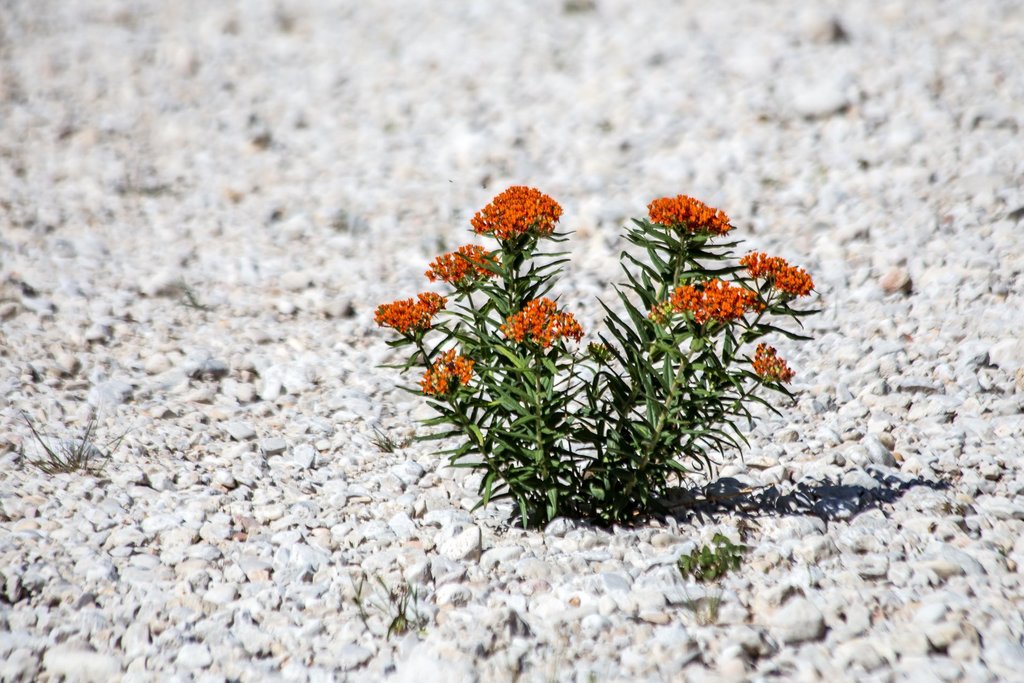
On this page
Milkweed is the only plant monarch caterpillars can eat, so it is the single highest-value plant in a monarch garden. Plant species native to your own region, not tropical milkweed (Asclepias curassavica). In warm climates it stays evergreen, disrupts monarch migration timing and builds up the OE parasite. The milky sap is toxic if eaten and irritating to skin and eyes, so wear gloves and keep it away from grazing livestock.
Key facts
- Milkweed is the only larval host plant of the monarch butterfly. Caterpillars cannot develop on anything else.
- Plant regionally native species. Tropical milkweed (A. curassavica) does not die back in warm climates, which disrupts monarch migration and lets the OE parasite accumulate.
- The milky latex sap contains cardiac glycosides that are toxic if eaten and irritating to skin and eyes; wear gloves when cutting.
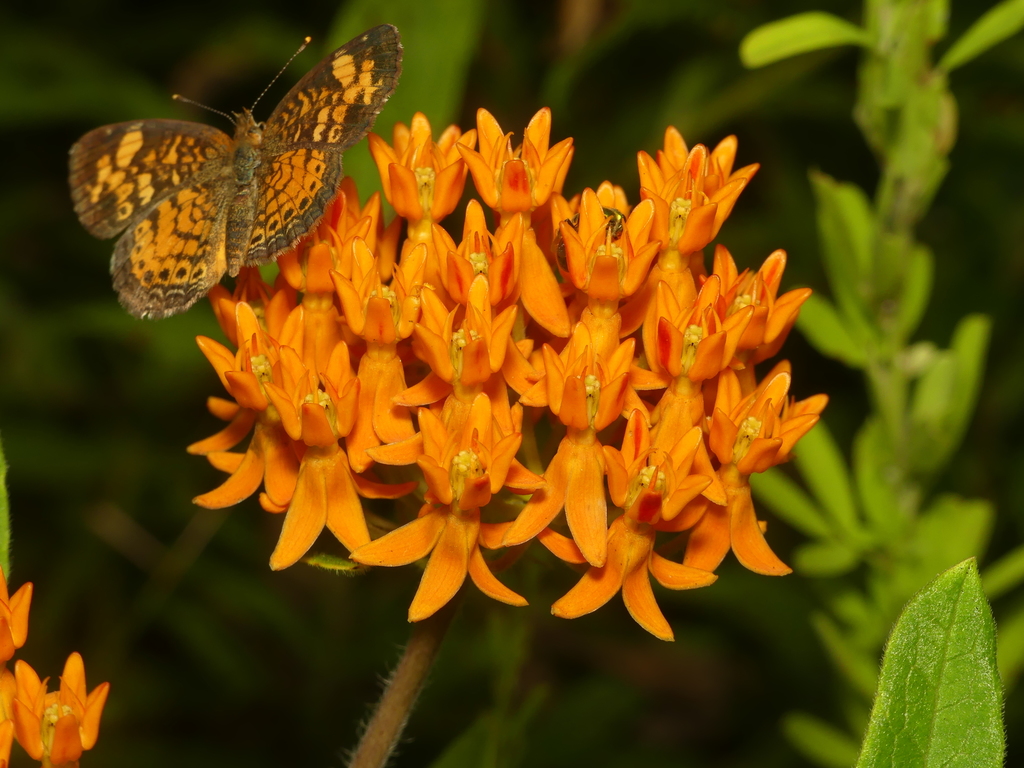
- Caterpillars sequester those toxins, making both caterpillar and adult butterfly unpalatable to predators.
- It is a strong nectar plant for bees and many other butterflies, not just monarchs.
Care requirements#
| Plant type | Herbaceous perennial; hardiness varies by species, broadly USDA 3-9 |
| Native range | North America; over 70 Asclepias species with different regional ranges and habitats |
| Species choice | Choose by region: common milkweed (A. syriaca) for open ground, swamp milkweed (A. incarnata) for damp soil, butterfly weed (A. tuberosa) for dry sun |
| Light needs | Full sun for nearly all species; at least six hours |
| Soil | Varies by species, A. tuberosa needs sharp drainage, A. incarnata tolerates wet ground |
| Soil pH | 6.0-7.5 for most species |
| Water needs | Water the first season, then little for dry-land species; swamp milkweed prefers consistent moisture |
| Spacing | 45-60cm apart; common milkweed spreads by rhizomes and needs room or containment |
| Fertilizer | None needed and best avoided in native plantings |
| Pesticides | Never use insecticides on or near milkweed. It exists in the garden to be eaten by caterpillars |
| Tropical milkweed caution | If you already grow A. curassavica in a frost-free area, cut it to the ground each autumn to mimic dormancy, or replace it with a native species |
| Toxicity | Toxic to cats, dogs, horses and livestock if eaten; the sap irritates skin and can seriously damage eyes |
Growth & propagation#
| Mature size | 45cm to 1.8m depending on species |
| Growth rate | Moderate; often flowers in the second year from seed |
| Lifespan | Long-lived perennial, especially deep-rooted species such as A. tuberosa |
| Propagation methods | Seed with 30-60 days cold moist stratification; A. syriaca also spreads by rhizome |
| Propagation difficulty | Easy from stratified seed; taprooted species dislike transplanting once established |
| Self-seeding | Seed pods split to release silk-borne seeds that travel widely on the wind |
Common problems & troubleshooting#
| Symptom | Likely cause | Fix |
|---|---|---|
| Dense orange aphid colonies on stems | Oleander aphids, a milkweed specialist | Wipe or hose them off by hand; never spray insecticide, which kills monarch eggs and caterpillars too |
| Leaves stripped to the stems | Monarch caterpillars feeding, which is the whole point | Plant several milkweeds so the population has enough to eat; the plants regrow |
| Milkweed spreading aggressively through the bed | Common milkweed (A. syriaca) runs by rhizomes | Site it in a meadow area, or use clump-forming species such as A. tuberosa in borders |
| Skin rash or eye pain after cutting stems | The latex sap is a direct irritant | Wear gloves and eye protection when cutting, and wash hands before touching your face |
| Seeds fail to germinate | No cold stratification | Sow outdoors in autumn or refrigerate in damp medium for 30-60 days before spring sowing |
The right milkweed matters more than any milkweed
Sodate helps you keep regional native planting straight and flags the seasonal cut-back that migration depends on.
Seasonal care#
Varieties & cultivars#
| Variety | Distinguishing trait | Note |
|---|---|---|
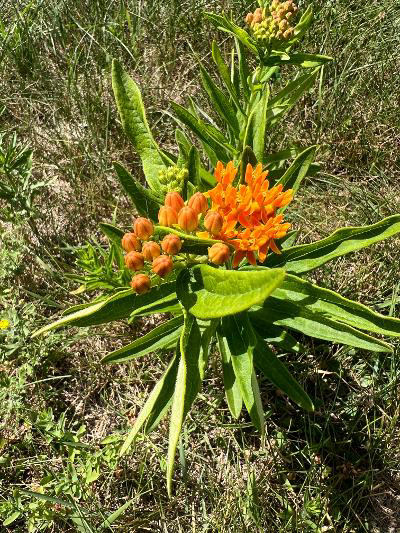
| Asclepias tuberosa (butterfly weed) | Orange flowers, deep taproot, dry sun | Clump-forming and border-friendly; sap is much less milky |
| Asclepias incarnata (swamp milkweed) | Pink flowers, tolerates damp soil | Best choice for wet or heavy ground |
| Asclepias syriaca (common milkweed) | Fragrant pink globes, spreads by rhizome | Highly productive for monarchs but too vigorous for tidy beds |
| Asclepias curassavica (tropical milkweed) | Red and orange flowers, non-native | Discouraged in warm climates. Disrupts migration and harbours the OE parasite |
Buying checklist#
- Confirm the botanical species and that it is native to your region
- Avoid tropical milkweed (A. curassavica) if you are in a frost-free climate
- Confirm the plants are neonicotinoid-free. Treated milkweed kills the caterpillars it attracts
- Buy young plants of taprooted species, which resent transplanting when large
Pricing by region#
| Region | Price range | Typical unit | Basis |
|---|---|---|---|
| US | $8 – $20 | 1 gallon pot | Native plant nursery + conservation sales |
| UK | $10 – $25 | 2L pot | Specialist nursery (uncommon) |
| India | $3 – $10 | potted plant | Nursery retail; note native Calotropis is a different genus |
| Australia | $9 – $22 | 150mm pot | Nursery retail; A. curassavica is a declared weed in parts of QLD |
| Canada | $9 – $22 | 1 gallon pot | Native plant nursery |
USD figures are approximate conversions for comparison; switch the dropdown to see each region's actual local-currency listing price.
Often confused with#
Name confusion warning#
In India and parts of Africa, 'milkweed' usually means Calotropis, a different genus entirely. If you are planting for monarchs, you need North American Asclepias species.
Where it's actually grown#
Plants and seed come from native plant nurseries, conservation groups and prairie seed producers across North America; regional ecotype seed is preferred for restoration because local populations are adapted to local conditions and timing.
Import & biosecurity restrictions#
| Region | Note |
|---|---|
| US | Native and unrestricted; state and conservation programmes actively promote regional Asclepias planting for monarchs. |
| Canada | Native and unrestricted; monarch habitat planting is encouraged, though the monarch is a species at risk. |
| UK | Imports need phytosanitary paperwork; grown ornamentally with no monarch population to support. |
| Australia | Live plant imports restricted under biosecurity law; A. curassavica is a declared weed in parts of Queensland, so check local rules before planting. |
| India | No specific restriction; the native Calotropis fills a similar ecological role but is a different genus. |
Similar plants
Ranked in these guides
Did you know?
Frequently asked questions
Why is milkweed important for monarch butterflies?
It is the only plant monarch caterpillars can eat. Without milkweed there is no monarch reproduction, which is why habitat loss has hit the species so hard.
Should I plant tropical milkweed?
Not in warm climates. Tropical milkweed (Asclepias curassavica) stays evergreen there, disrupting monarch migration timing and letting the OE parasite build up. Plant species native to your region instead.
Is milkweed toxic to pets?
Yes. The milky sap contains cardiac glycosides that are toxic to cats, dogs, horses and livestock if eaten, and it irritates skin and eyes on contact.
Should I remove aphids from my milkweed?
Wipe or hose them off by hand if you want to. Never use insecticide: it kills the monarch eggs and caterpillars the plant is there to support.
How do I grow milkweed from seed?
Give the seed 30-60 days of cold moist stratification, either by sowing outdoors in autumn or refrigerating in damp medium, then sow in spring in full sun.