 Sodate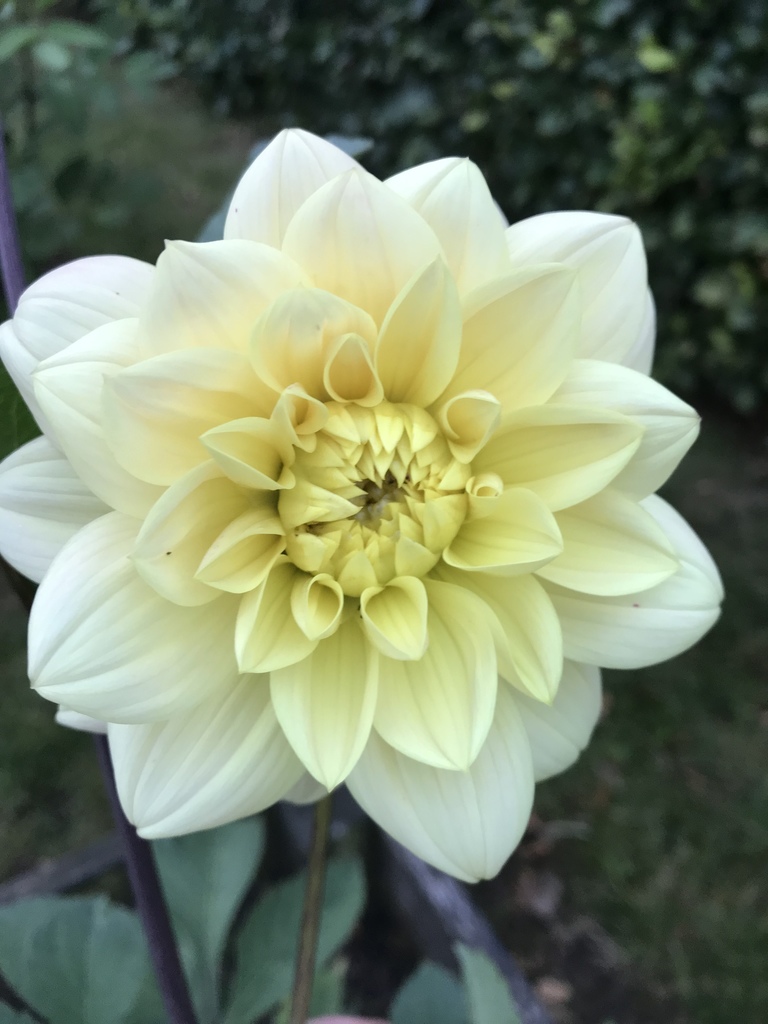
On this page
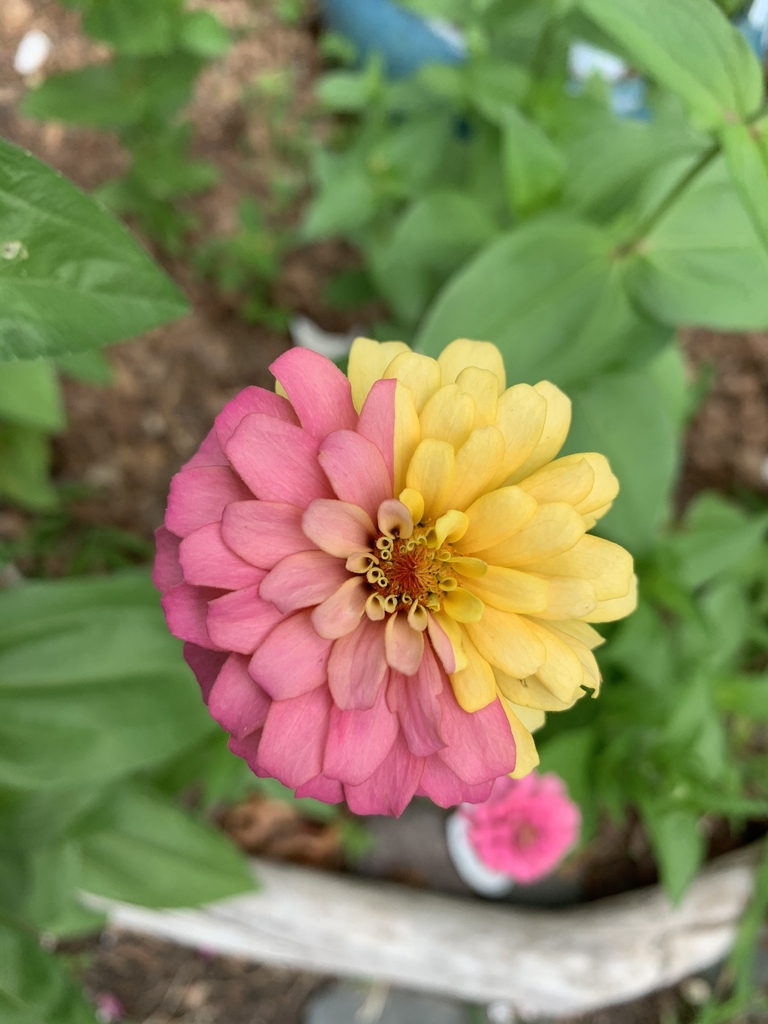
Dahlias are tender tuberous perennials, winter-hardy in the ground only in USDA zones 8-10. Plant tubers after the last frost 10-15cm deep in full sun; they bloom from midsummer until frost, and constant deadheading keeps flowers coming. In cold-winter climates, dig the tubers after the first frost blackens the foliage and store them cool and dry until spring. Mildly toxic to pets. Tubers cost $5-$20 each.
Key facts
- Hardy in the ground only in USDA zones 8-10; everywhere colder the tubers must be lifted after the first frost and stored at 4-10°C in slightly damp peat or vermiculite over winter.
- Blooms midsummer to first frost, one of the longest flowering windows in the garden, but only with regular deadheading; seed set shuts flowering down.
- Tall and dinnerplate varieties must be staked at planting time; hollow stems snap in wind once top-heavy with bloom.
- It's Mexico's national flower, and the Aztecs cultivated dahlias for their edible tubers long before Europeans bred them for blooms.
Care requirements#
| Plant type | Tender tuberous perennial; grown as a lift-and-store plant outside USDA 8-10 |
| Light needs | Full sun. 6-8 hours; blooms drop off sharply in shade |
| Planting time | After the last frost, when soil reaches ~15°C (60°F) |
| Planting depth | Tuber laid horizontally 10-15cm deep, eye pointing up; don't water until sprouts emerge |
| Water frequency | None until shoots appear, then deeply 2-3x weekly in summer |
| Soil | Rich, well-drained loam; tubers rot in cold wet ground |
| Bloom season | Midsummer to first frost, with continuous deadheading |
| Staking | Set stakes at planting for anything over 60cm. Stems are hollow and snap |
| Pinching | Pinch the growing tip above the 4th leaf pair for bushier plants and more stems |
| Fertilizer | Low-nitrogen (e.g. 5-10-10) monthly; high N gives leaves, not flowers |
| Spacing | 45-60cm apart for large types; 30cm for bedding dahlias |
| Toxicity | Mildly toxic to cats and dogs. Skin irritation and stomach upset if chewed |
Growth & propagation#
| Mature size | 30cm bedding types to 1.5m+ dinnerplates |
| Growth rate | Fast: tuber to blooming plant in 8-10 weeks |
| Classification | Tuberous tender perennial (treated like an annual with a storable root) |
| Propagation methods | Dividing tuber clumps in spring (each division needs an eye); basal cuttings; seed for new varieties |
| Propagation difficulty | Easy by division, clumps multiply every season |
| Tuber multiplication | One tuber typically becomes a clump of 5-10 by autumn |
Common problems & troubleshooting#
| Symptom | Likely cause | Fix |
|---|---|---|
| Tubers rotted before sprouting | Planted into cold, wet soil or watered before shoots emerged | Wait for 15°C soil, plant in well-drained ground, and hold off watering until growth shows |
| Stems snapped in wind | Unstaked top-heavy plants with hollow stems | Stake at planting time and tie in as they grow; snapped stems can be cut back to a lower node |
| Young shoots vanish overnight | Slugs and snails. Dahlia shoots are a favorite | Protect emerging shoots with organic slug pellets or barriers until 30cm tall |
| Flowering slowed mid-season | Spent blooms left to set seed, or high-nitrogen feeding | Deadhead every few days (spent buds are cone-shaped, new buds are round) and switch to low-N feed |
| Stored tubers shriveled or moldy by spring | Storage too dry (shrivel) or too damp/warm (mold) | Store at 4-10°C in barely-damp vermiculite or peat, checking monthly and misting or ventilating as needed |
Never forget to lift the tubers
Sodate reminds you after the first frost that the dahlias need digging. Before a hard freeze turns next year's flowers to mush.
Seasonal care#
Varieties & cultivars#
| Variety | Distinguishing trait | Note |
|---|---|---|
| 'Café au Lait' | Huge creamy blush dinnerplate blooms | The wedding-florist dahlia; cut stems sell at a premium |
| 'Bishop of Llandaff' | Scarlet single flowers over near-black foliage | Classic dark-leaved bedding dahlia |
| 'Kelvin Floodlight' | 30cm yellow dinnerplate | One of the largest blooms in cultivation |
Buying checklist#
- Tuber is firm with a visible eye (growth bud) at the neck, no eye, no plant
- No soft spots, mold, or broken necks
- Bigger is not better: a healthy small tuber with a strong eye outperforms a huge blind one
- Buy from named-variety suppliers if color matters, mislabeled mixes are common
Pricing by region#
| Region | Price range | Typical unit | Basis |
|---|---|---|---|
| US | $5 – $20 | single tuber | Specialty tuber suppliers + garden retail |
| UK | $4 – $15 | single tuber | Garden centre + mail order |
| India | $1 – $4 | tuber or potted plant | Nursery + online |
| Australia | $5 – $16 | single tuber | Mail-order tuber specialists |
| Canada | $5 – $18 | single tuber | Garden retail + mail order |
USD figures are approximate conversions for comparison; switch the dropdown to see each region's actual local-currency listing price.
Often confused with#
Where it's actually grown#
Most retail tubers are field-grown in the Netherlands, the world's dominant dahlia exporter, with specialty named varieties propagated by small farms in the US Pacific Northwest and UK; florist stem production has boomed alongside the cut-flower dahlia trend.
Import & biosecurity restrictions#
| Region | Note |
|---|---|
| Australia | Tuber imports restricted under biosecurity law; domestic mail-order specialists supply the market. |
| US | No domestic restriction; imported Dutch tubers ship with phytosanitary certificates. |
| UK | No restriction; Dutch imports dominate garden-centre stock. |
| India | No restriction; dahlias are a staple of winter flower shows, grown October-March in the plains. |
| Canada | CFIA phytosanitary requirements for imported tubers; wide domestic availability. |
Similar plants
Ranked in these guides
Did you know?
Frequently asked questions
Do I have to dig up dahlia tubers every year?
Only in climates colder than USDA zone 8. Frozen soil kills the tubers. In zones 8-10 you can leave them in the ground under mulch; everywhere else, lift after the first frost and store cool and dry.
When do dahlias bloom?
From midsummer (about 8-10 weeks after planting) continuously until the first frost, as long as you keep deadheading spent blooms.
How deep do I plant a dahlia tuber?
Lay it horizontally 10-15cm deep with the eye pointing up, after the last frost when soil has warmed to about 15°C, and don't water until shoots emerge.
Are dahlias toxic to dogs and cats?
Mildly. Chewing the plant or tubers can cause skin irritation and gastrointestinal upset. They're not among the dangerously toxic garden plants, but discourage nibbling.
How much do dahlia tubers cost?
Standard varieties run $5-$20 per tuber in the US; sought-after florist varieties like 'Café au Lait' cost more, and one tuber multiplies into a divisible clump each season.