 Sodate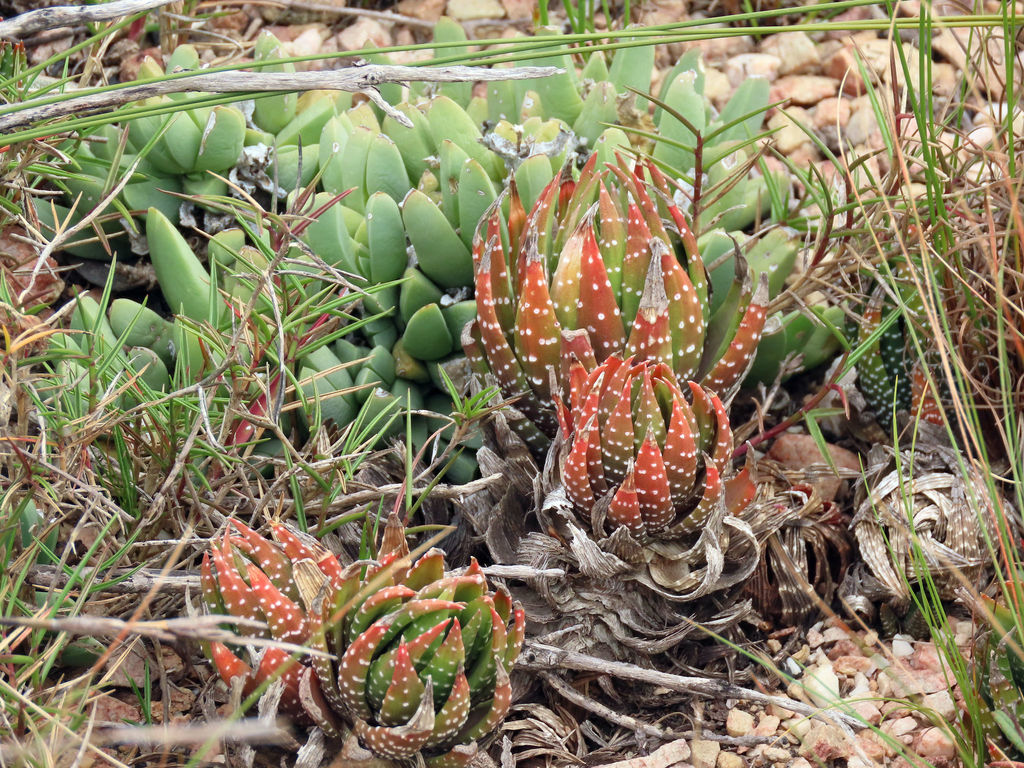
On this page
Haworthia is one of the most forgiving succulents: small, slow-growing, tolerant of lower light than most succulents, and non-toxic to pets. Water only when the soil is completely dry (every 2-3 weeks), and use a gritty, fast-draining mix. Overwatering is the only common way to kill it. Typically costs $5-$15.
Key facts
- Native to the Eastern Cape of South Africa, growing in the partial shade of rocks and shrubs. Which is why it tolerates lower light than most succulents.
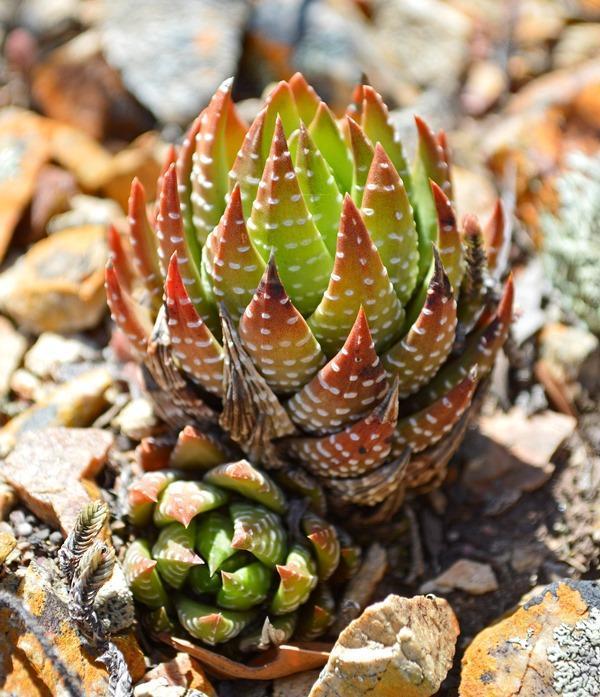
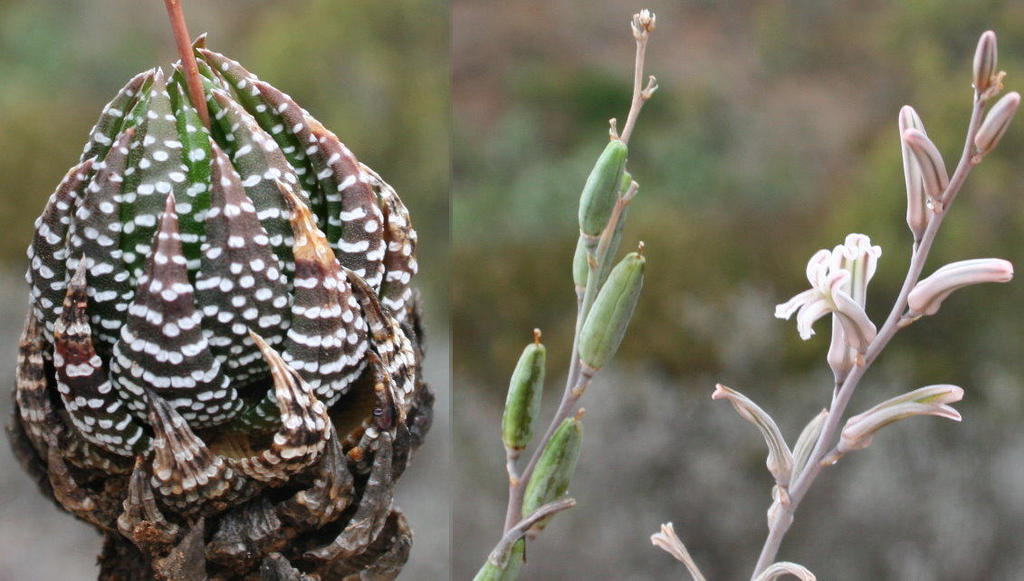
- The raised white 'zebra stripes' are tubercles. Hardened leaf structures thought to reduce water loss and deter grazing.
- Grows very slowly and stays small (usually under 15cm), making it a long-term desk or windowsill plant.
- Non-toxic to cats and dogs, unlike many similar-looking aloes.
Care requirements#
| Plant type | Indoor (can grow outdoors year-round in USDA 9-11) |
| Growing medium | Gritty, fast-draining cactus/succulent mix |
| Light needs | Bright indirect light; tolerates medium light better than most succulents; avoid harsh midday sun |
| Water frequency | Every 2-3 weeks; only when soil is completely dry |
| Humidity | Low humidity preferred, typical of succulents |
| Temperature range | 18-27°C (65-80°F); tolerates brief dips to 5°C (40°F) |
| Fertilizer | Diluted succulent feed 2-3 times during spring-summer only |
| Soil pH | 6.5-7.5 |
| Drainage needs | Very high. The single most important care factor |
| Pot recommendation | Small terracotta pot with drainage hole |
| Hardiness zone (outdoor) | USDA 9-11 |
| Toxicity | Non-toxic to cats, dogs, and humans |
Growth & propagation#
| Mature size | 10-15cm tall rosette |
| Growth rate | Very slow. Years to reach full size |
| Propagation methods | Offsets (pups) around the base; leaf cuttings possible but slow |
| Propagation difficulty | Easy via offsets. Separate and pot pups with roots attached |
| Repotting schedule | Every 2-3 years, or when offsets crowd the pot |
| Pruning needs | None beyond removing dried outer leaves |
Common problems & troubleshooting#
| Symptom | Likely cause | Fix |
|---|---|---|
| Mushy, translucent leaves | Overwatering. The main killer of haworthia | Stop watering, let soil dry completely, remove rotted leaves, repot in gritty mix if needed |
| Reddish or brown leaf tint | Too much direct sun (stress coloring) | Move to bright indirect light; color usually recovers |
| Shriveled, thin leaves | Underwatering over a long period | Water thoroughly; leaves plump back up within days |
| Stretched, loose rosette | Insufficient light (etiolation) | Move to a brighter spot; new growth will be compact again |
Never overwater this one again
Sodate tracks how long since your last watering and holds off the next reminder until the soil has genuinely dried out.
Seasonal care#
Varieties & cultivars#
| Variety | Distinguishing trait | Note |
|---|---|---|
| Haworthiopsis attenuata (zebra plant) | Bolder white stripes on outward-facing tubercles | Very commonly sold under the haworthia name |
| Haworthia cooperi | Translucent, window-like fleshy leaf tips | Popular collector species |
| Haworthia retusa | Flattened, triangular translucent leaf faces | Star-shaped rosette form |
Buying checklist#
- Leaves are firm and plump, not mushy or translucent at the base
- Rosette is compact, not stretched or leggy
- Soil is dry or barely moist at purchase, never soggy
- Offsets around the base are a bonus, free future plants
Pricing by region#
| Region | Price range | Typical unit | Basis |
|---|---|---|---|
| US | $5 – $15 | 2-4in pot | Big-box + succulent nursery retail |
| UK | $4 – $12 | 5-9cm pot | Garden centre retail |
| India | $1 – $3 | 3in pot | Urban nursery + online |
| Australia | $5 – $13 | 70-100mm pot | Nursery + garden centre |
| Canada | $5 – $14 | 2-4in pot | Garden centre retail |
USD figures are approximate conversions for comparison; switch the dropdown to see each region's actual local-currency listing price.
Often confused with#
Name confusion warning#
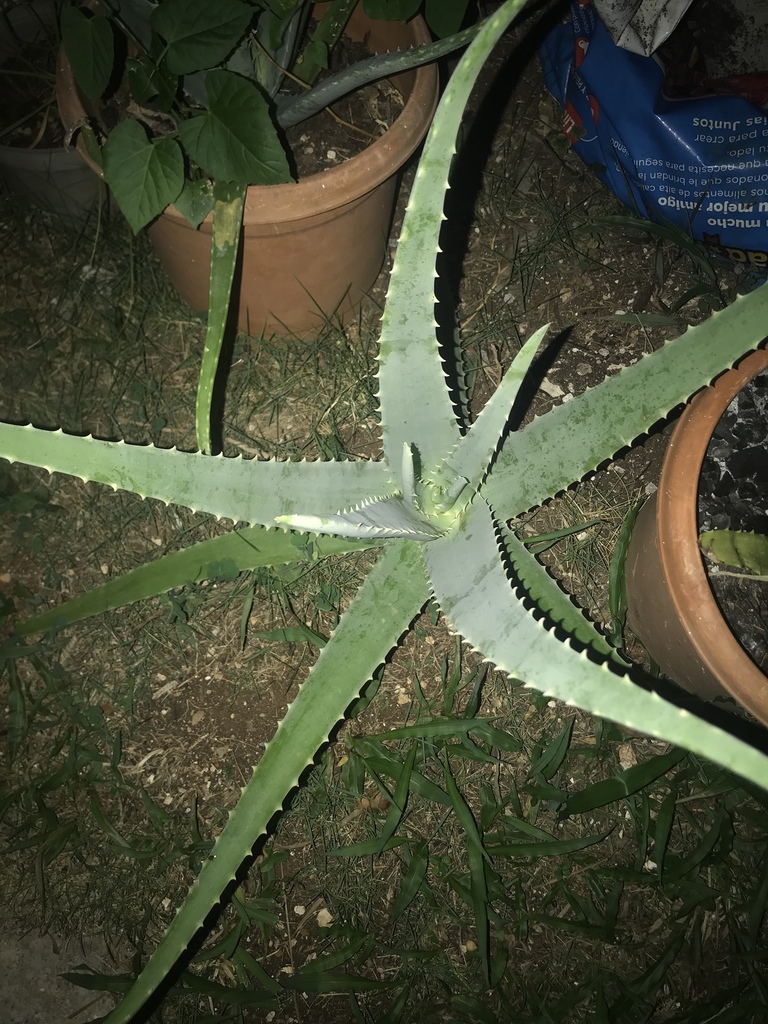
Often mislabeled as aloe. Small haworthias and young aloes are frequently confused or mislabeled in shops. It matters: aloe is toxic to cats and dogs while haworthia is safe. Check for haworthia's distinctive raised white stripe bands and smaller adult size.
Where it's actually grown#
Haworthias are mass-propagated from offsets and tissue culture in succulent nurseries concentrated in South Korea, China, the Netherlands, and California. The collector market for rare species and variegates operates separately, with prices reaching hundreds of dollars for exceptional specimens.
Import & biosecurity restrictions#
| Region | Note |
|---|---|
| Australia | Live plant imports restricted under biosecurity law; widely available domestically. |
| US | Domestic sale unrestricted. |
| UK | No specific restriction; grown as a houseplant. |
| India | No restriction; suits warm, dry Indian conditions well. |
| Canada | CFIA permits required for commercial imports; grown as a houseplant. |
Similar plants
Ranked in these guides
Did you know?
Frequently asked questions
Is haworthia pet-safe?
Yes, it's non-toxic to cats and dogs. Unlike aloe, which it's often confused with.
How much does haworthia cost?
A standard small potted plant typically runs $5-$15 in the US; rare species and variegated forms can cost much more.
How often should I water haworthia?
Every 2-3 weeks, only when the soil is completely dry. Overwatering is the main way this plant dies.
Can haworthia grow in low light?
It tolerates medium light better than most succulents, but grows most compactly in bright indirect light.
How do I propagate haworthia?
Separate the offsets (pups) that form around the base, keeping roots attached, and pot them in gritty succulent mix.