 Sodate
Home / Guides / Cheap pet-safe plants
Best Cheap Pet-Safe Plants: 15 Ranked (2026)
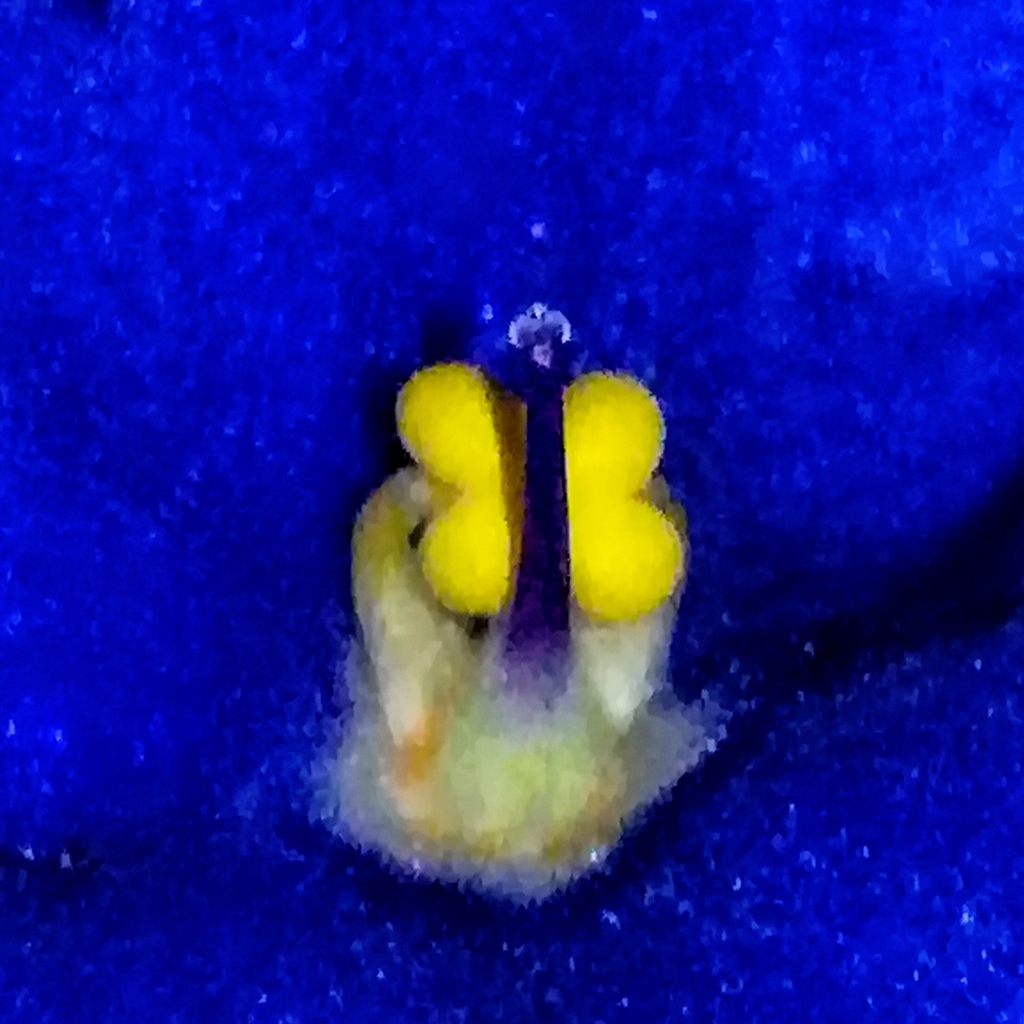
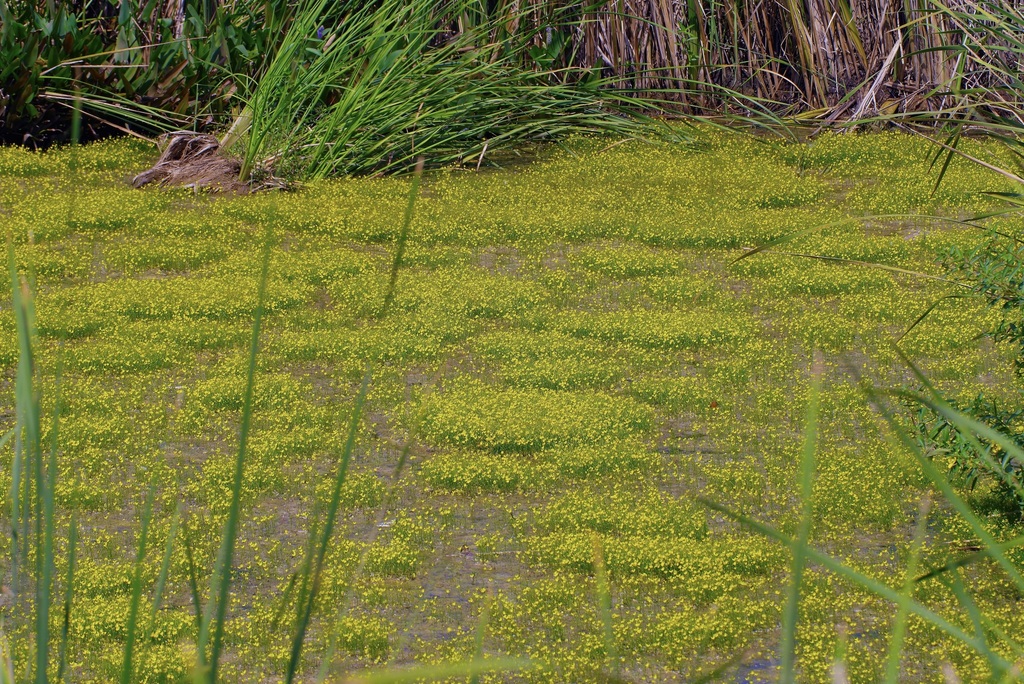
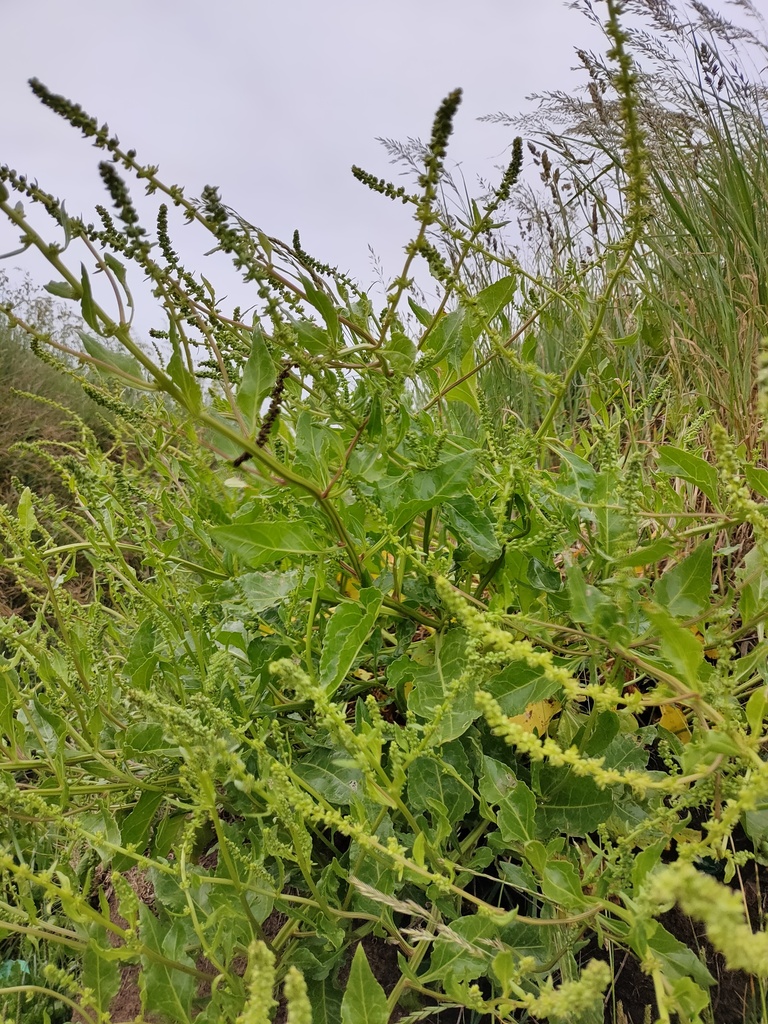
The best cheap pet-safe plants are African Violet, Aquatic bladderwort, Beetroot. Sodate ranked 64 qualifying plants from a database of 208 profiles on a published 100-point rubric weighted to entry price (40), care difficulty (25), pet safety (20) and cost (15). African Violet scores 100/100, the highest in this group.
African Violet, Aquatic bladderwort, Beetroot lead this ranking of cheap pet-safe plants. Entry requires scored on the typical US entry price researched for each profile, with full marks at $10 or under. 15 of the 15 listed are non-toxic to cats and dogs. Every score is computed from the same four measures, entry price, care difficulty, pet safety and cost, and the rubric is published below so you can recompute any ranking yourself.
Why trust this list
Plant prices vary enormously for reasons that have nothing to do with how good the plant is: rarity, variegation, trend cycles and pot size all inflate the ticket. The plants here are cheap because they are easy to propagate commercially, which usually also means they are easy for you to propagate, and that is the real saving. Prices are researched typical retail ranges for the US, and every profile carries the equivalent for the UK, India, Australia and Canada. Every plant here is non-toxic to cats and dogs, verified per species on its own profile rather than assumed from its plant family. That distinction matters, because toxicity is not consistent within families: some aroids are dangerous and others are not. Non-toxic also does not mean edible, and a cat that eats a large quantity of any plant may still vomit.
At a glance: all 15 ranked
| Rank | Plant | Best for | Score | Entry price | Pet safety | US price |
|---|---|---|---|---|---|---|
| #1 | African Violet | Filling a space on a budget, in a home with pets | 100 | $10 or under | Pet-safe | $6–$15 |
| #2 | Aquatic bladderwort | Filling a space on a budget, in a home with pets | 100 | $10 or under | Pet-safe | $5–$12 |
| #3 | Beetroot | Filling a space on a budget, in a home with pets | 100 | $10 or under | Pet-safe | $2–$4.5 |
| #4 | Black-eyed Susan | Filling a space on a budget, in a home with pets | 100 | $10 or under | Pet-safe | $6–$18 |
| #5 | Cauliflower | Filling a space on a budget, in a home with pets | 100 | $10 or under | Pet-safe | $2–$8 |
| #6 | Dill | Filling a space on a budget, in a home with pets | 100 | $10 or under | Pet-safe | $2–$5 |
| #7 | Fittonia | Filling a space on a budget, in a home with pets | 100 | $10 or under | Pet-safe | $6–$15 |
| #8 | Haworthia | Filling a space on a budget, in a home with pets | 100 | $10 or under | Pet-safe | $5–$15 |
| #9 | Impatiens | Filling a space on a budget, in a home with pets | 100 | $10 or under | Pet-safe | $2–$8 |
| #10 | Lettuce | Filling a space on a budget, in a home with pets | 100 | $10 or under | Pet-safe | $2–$4 |
| #11 | Parlor palm | Filling a space on a budget, in a home with pets | 100 | $10 or under | Pet-safe | $10–$25 |
| #12 | Peperomia | Filling a space on a budget, in a home with pets | 100 | $10 or under | Pet-safe | $10–$20 |
| #13 | Peperomia 'Frost' | Filling a space on a budget, in a home with pets | 100 | $10 or under | Pet-safe | $8–$22 |
| #14 | Peperomia 'Hope' | Filling a space on a budget, in a home with pets | 100 | $10 or under | Pet-safe | $10–$25 |
| #15 | Polka Dot Plant | Filling a space on a budget, in a home with pets | 100 | $10 or under | Pet-safe | $5–$12 |
How we scored these
Every plant is scored out of 100 on four measures, each pulled directly from its care profile. No score is assigned by hand, so the ranking can be reproduced from the data:
Ties are broken alphabetically. Prices are researched typical retail ranges, not live quotes. Check each plant's profile for the regional breakdown. 64 plants in the directory met the entry bar; the top 15 are listed here.
All 15 cheap pet-safe plants, ranked
African Violet
Saintpaulia ionantha
Best for: Filling a space on a budget, in a home with pets
Elite tier: top-scoring on every measure
✓ Strong signal Light tolerance: Bright, indirect light; direct sun scorches leaves
⚠ Watch out for Brown spots or rings on leaves: usually water droplets on leaves acting as sun-focusing lenses, or cold water shock
Our take African violet needs bright, indirect light and consistent moisture, but water must never touch the fuzzy leaves. Wet leaves cause permanent brown spotting.
Strengths
- Genuinely cheap to start
- Non-toxic to cats and dogs
- Beginner-friendly and forgiving of missed waterings
Trade-offs
- Wants higher humidity than most homes provide
- Watch for: brown spots or rings on leaves
Care details
| Light | Bright, indirect light; direct sun scorches leaves |
| Water | Every 5-7 days; water at the soil line or from below, never on the leaves |
| Humidity | 40-50% preferred; average home humidity is usually sufficient |
| Temperature | 18-24°C (65-75°F); sensitive to cold drafts |
| Toxicity | Non-toxic to cats, dogs, and humans |
| US price | $6–$15 |
Aquatic bladderwort
Utricularia gibba
Best for: Filling a space on a budget, in a home with pets
Elite tier: top-scoring on every measure
✓ Strong signal Light tolerance:
⚠ Watch out for Mat thinning and turning brown: usually water too hard/alkaline or too little light
Our take Bladderwort is the easiest carnivorous plant you can keep: it floats free in ponds or tanks, needs no substrate, no soil, and no feeding. Its microscopic bladder traps vacuum up daphnia, cyclops, and mosquito larvae on their own.
Strengths
- Genuinely cheap to start
- Non-toxic to cats and dogs
- Beginner-friendly and forgiving of missed waterings
Trade-offs
- Watch for: mat thinning and turning brown
Care details
| Light | : |
| Water | : |
| Humidity | : |
| Temperature | : |
| Toxicity | Non-toxic to fish, cats, dogs, and humans |
| US price | $5–$12 |
Beetroot
Beta vulgaris
Best for: Filling a space on a budget, in a home with pets
Elite tier: top-scoring on every measure
✓ Strong signal Light tolerance: Full sun to light shade. 6 hours ideal, tolerates less
⚠ Watch out for Dense clumps of seedlings from single sowings: usually normal. each seed is a multigerm cluster of 2-4 seeds
Our take Beetroot is one of the easiest crops to get right: direct sow, thin to 8-10cm, keep moisture even, and lift at golf-ball to tennis-ball size in 50-70 days. Each 'seed' is actually a cluster of several seeds, so thinning is not optional.
Strengths
- Genuinely cheap to start
- Non-toxic to cats and dogs
- Beginner-friendly and forgiving of missed waterings
Trade-offs
- Watch for: dense clumps of seedlings from single sowings
Care details
| Light | Full sun to light shade. 6 hours ideal, tolerates less |
| Water | Even moisture, around 25mm a week; drought then flood causes woody, cracked roots |
| Humidity | : |
| Temperature | 10-24°C (50-75°F); prolonged cold below 10°C after germination can trigger bolting |
| Toxicity | Non-toxic to cats and dogs; roots and leaves are both safe and edible |
| US price | $2–$4.5 |
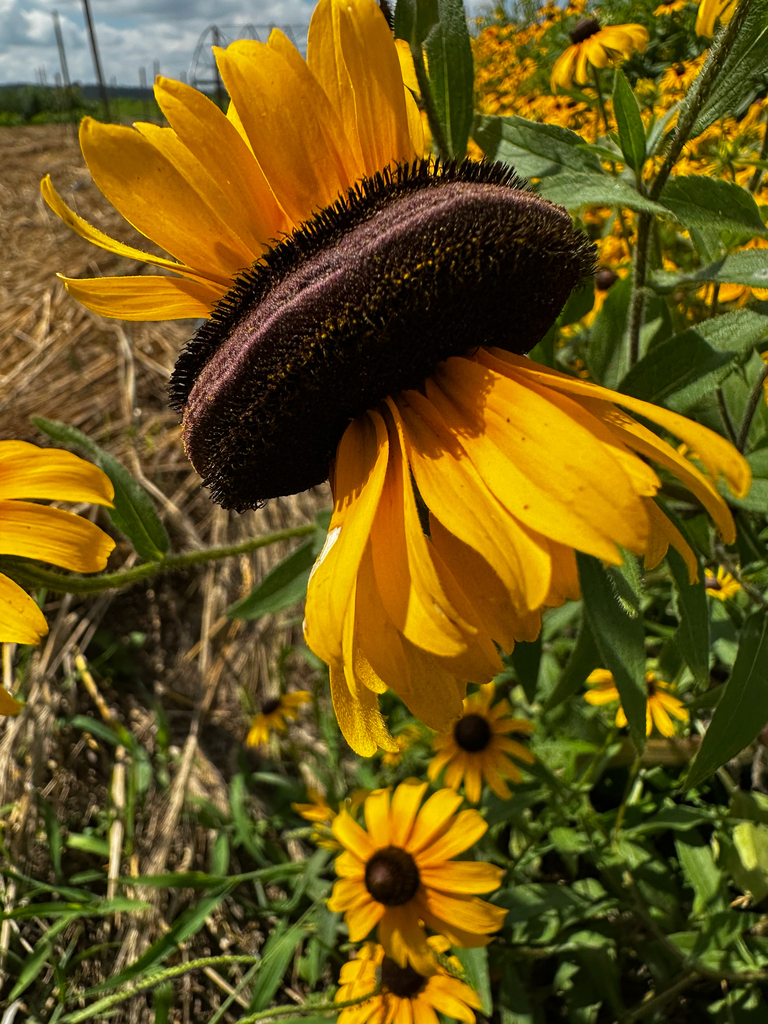
Black-eyed Susan
Brown-eyed Susan
Best for: Filling a space on a budget, in a home with pets
Elite tier: top-scoring on every measure
✓ Strong signal Light tolerance: Full sun. At least six hours; it stretches and flops in shade
⚠ Watch out for Dark brown or black leaf spots spreading upward: usually septoria or angular leaf spot, common in humid summers
Our take Black-eyed Susan is a prairie native that thrives on neglect: full sun, ordinary or poor well-drained soil, no feeding, and little water once established. It flowers from midsummer to frost and is a heavy pollinator draw, then feeds finches on its seed heads over winter.
Strengths
- Genuinely cheap to start
- Non-toxic to cats and dogs
- Beginner-friendly and forgiving of missed waterings
Trade-offs
- Watch for: dark brown or black leaf spots spreading upward
Care details
| Light | Full sun. At least six hours; it stretches and flops in shade |
| Water | : |
| Humidity | : |
| Temperature | : |
| Toxicity | Non-toxic to cats, dogs, and humans |
| US price | $6–$18 |
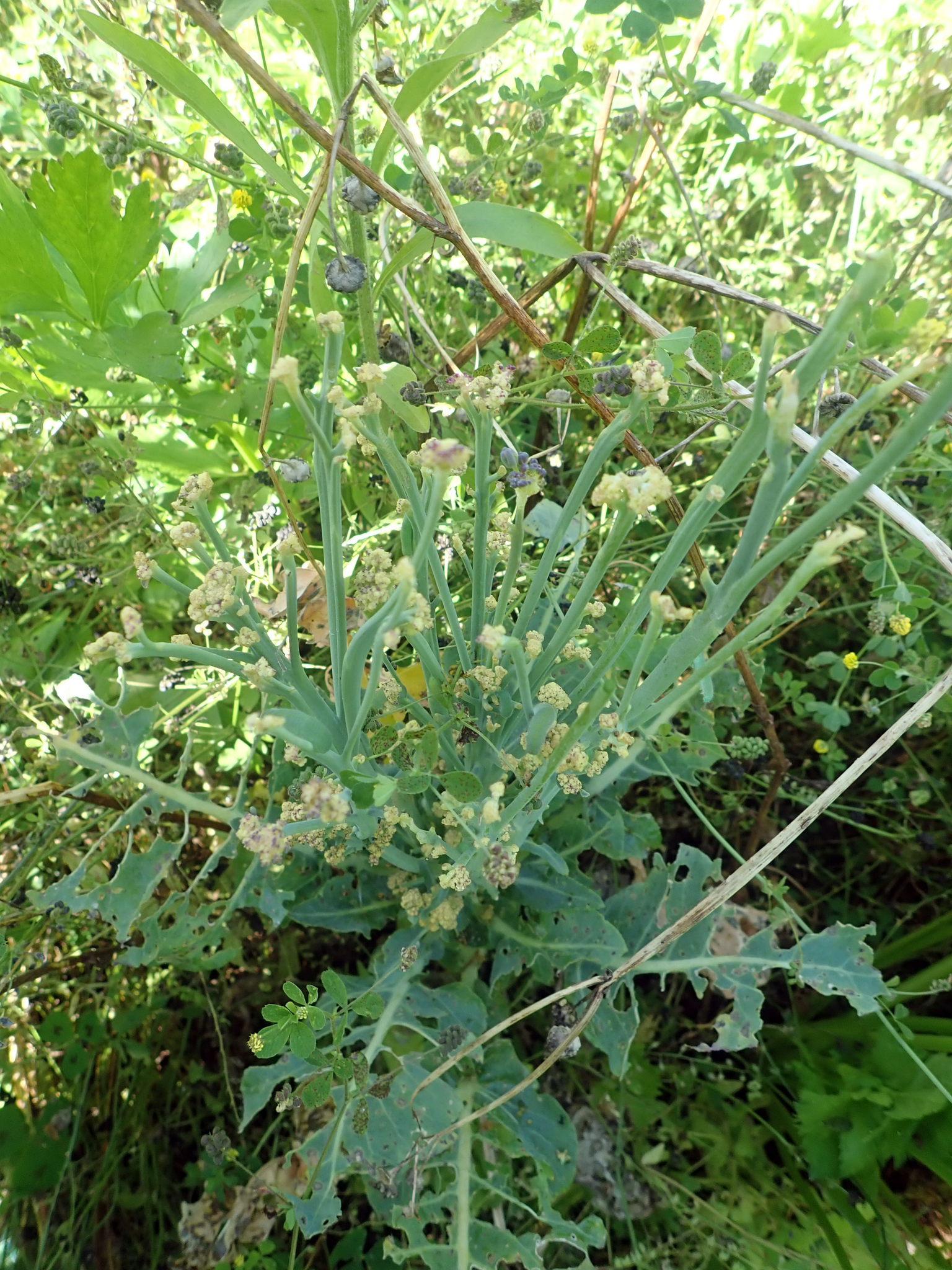
Cauliflower
Gobi (Hindi)
Best for: Filling a space on a budget, in a home with pets
Elite tier: top-scoring on every measure
✓ Strong signal Light tolerance: Full sun, 6+ hours daily
⚠ Watch out for Tiny golf-ball head on a small plant ('buttoning'): usually any growth check. drought, heat, cold snap, root-bound transplants, or poor soil
Our take Cauliflower is the least forgiving brassica: it needs uninterrupted, steady growth in cool weather (13-21°C), rich soil, and consistent water. Any stress produces tiny 'button' heads.
Strengths
- Genuinely cheap to start
- Non-toxic to cats and dogs
- Beginner-friendly and forgiving of missed waterings
Trade-offs
- Watch for: tiny golf-ball head on a small plant ('buttoning')
Care details
| Light | Full sun, 6+ hours daily |
| Water | Absolutely consistent. 2.5-4cm (1-1.5in) per week; even one dry week can trigger buttoning |
| Humidity | : |
| Temperature | Best at 13-21°C (55-70°F); curds spoil above 27°C and young plants button after prolonged cold below 10°C |
| Toxicity | Non-toxic; edible crop safe around pets and children |
| US price | $2–$8 |
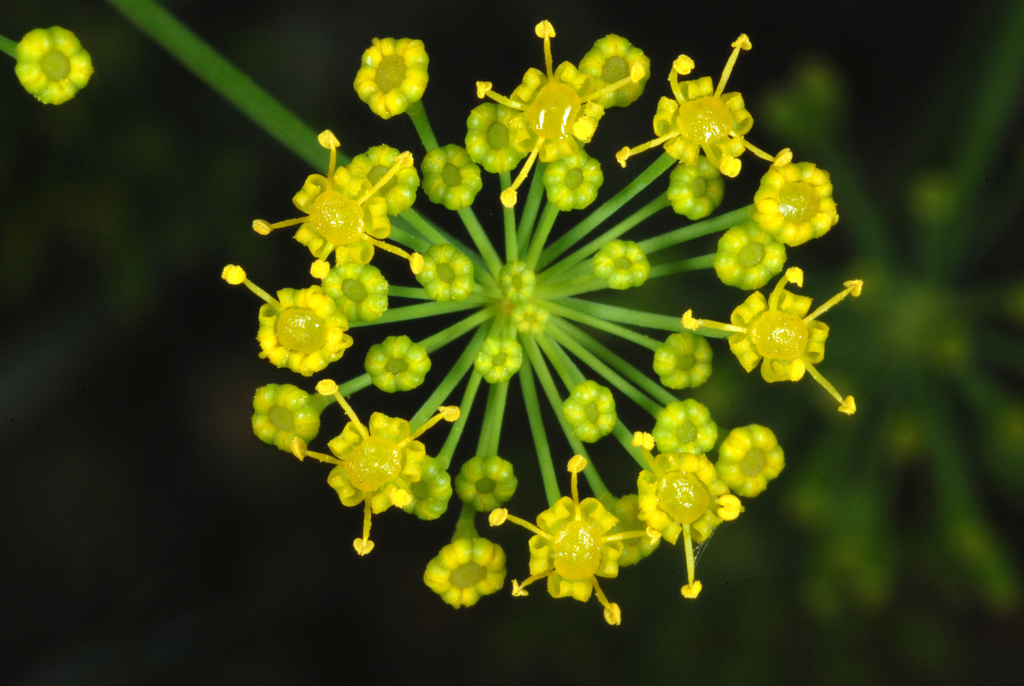
Dill
Suva
Best for: Filling a space on a budget, in a home with pets
Elite tier: top-scoring on every measure
✓ Strong signal Light tolerance: Full sun, at least 6 hours; light shade in very hot climates delays bolting
⚠ Watch out for Plants bolt to flower within weeks of sowing: usually heat, long days, transplant shock, or drought stress
Our take Dill is a beginner-friendly annual herb, but it must be direct-sown: the taproot means transplanted seedlings bolt straight to seed. Sow every three weeks from spring for a continuous leaf supply, in full sun and free-draining soil.
Strengths
- Genuinely cheap to start
- Non-toxic to cats and dogs
- Beginner-friendly and forgiving of missed waterings
Trade-offs
- Watch for: plants bolt to flower within weeks of sowing
Care details
| Light | Full sun, at least 6 hours; light shade in very hot climates delays bolting |
| Water | Water when the top 2-3cm dries; keep steady moisture as drought triggers early bolting |
| Humidity | : |
| Temperature | 15-25°C (60-77°F); bolts fast above 27°C |
| Toxicity | Non-toxic to cats, dogs, horses and humans |
| US price | $2–$5 |
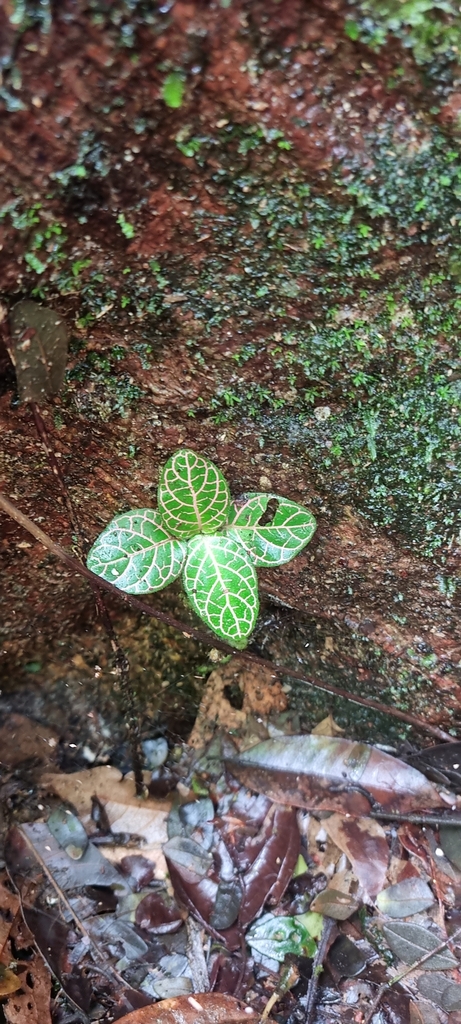
Fittonia
Fittonia albivenis
Best for: Filling a space on a budget, in a home with pets
Elite tier: top-scoring on every measure
✓ Strong signal Light tolerance: Medium to bright indirect light; no direct sun
⚠ Watch out for Dramatic wilting: usually soil too dry. this plant's classic distress signal
Our take Fittonia needs consistently moist soil and high humidity, making it a natural fit for terrariums and bathrooms. It dramatically wilts when thirsty but usually recovers within an hour of watering.
Strengths
- Genuinely cheap to start
- Non-toxic to cats and dogs
- Beginner-friendly and forgiving of missed waterings
Trade-offs
- Wants higher humidity than most homes provide
- Watch for: dramatic wilting
Care details
| Light | Medium to bright indirect light; no direct sun |
| Water | Every 3-5 days; keep soil consistently moist, never fully dry |
| Humidity | 60%+ preferred: struggles badly in average home humidity |
| Temperature | 18-27°C (65-80°F); sensitive to cold drafts |
| Toxicity | Non-toxic to cats, dogs, and humans |
| US price | $6–$15 |
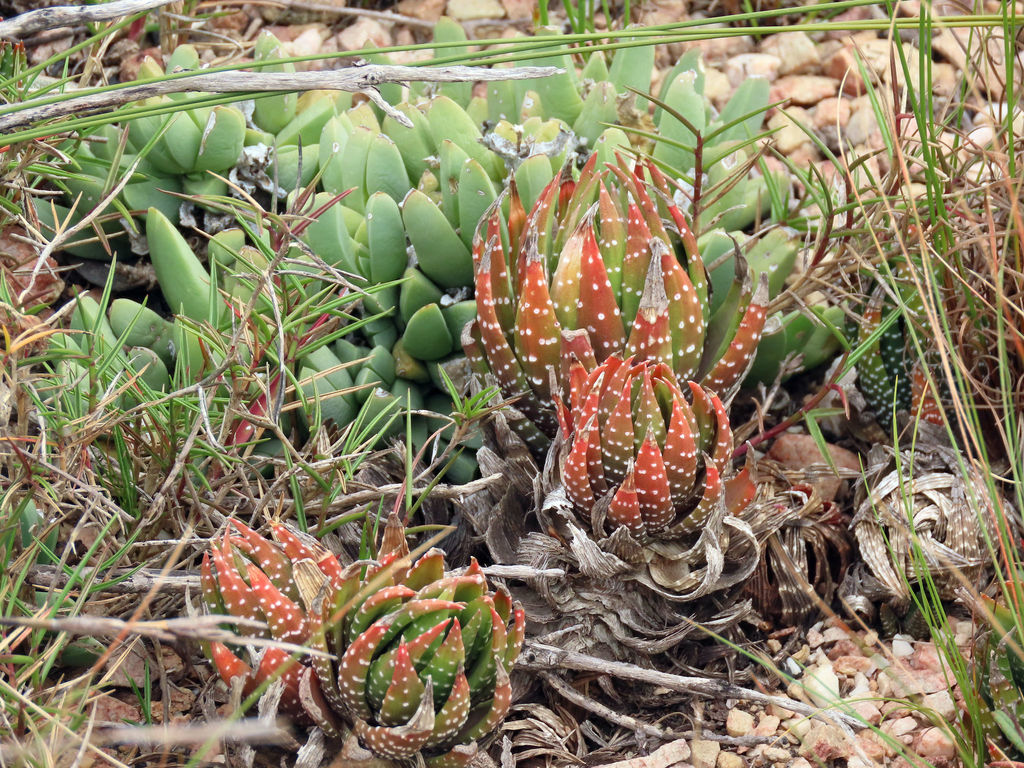
Haworthia
Haworthia fasciata
Best for: Filling a space on a budget, in a home with pets
Elite tier: top-scoring on every measure
✓ Strong signal Light tolerance: Bright indirect light; tolerates medium light better than most succulents; avoid harsh midday sun
⚠ Watch out for Mushy, translucent leaves: usually overwatering. the main killer of haworthia
Our take Haworthia is one of the most forgiving succulents: small, slow-growing, tolerant of lower light than most succulents, and non-toxic to pets. Water only when the soil is completely dry (every 2-3 weeks), and use a gritty, fast-draining mix.
Strengths
- Genuinely cheap to start
- Non-toxic to cats and dogs
- Beginner-friendly and forgiving of missed waterings
Trade-offs
- Watch for: mushy, translucent leaves
Care details
| Light | Bright indirect light; tolerates medium light better than most succulents; avoid harsh midday sun |
| Water | Every 2-3 weeks; only when soil is completely dry |
| Humidity | Low humidity preferred, typical of succulents |
| Temperature | 18-27°C (65-80°F); tolerates brief dips to 5°C (40°F) |
| Toxicity | Non-toxic to cats, dogs, and humans |
| US price | $5–$15 |
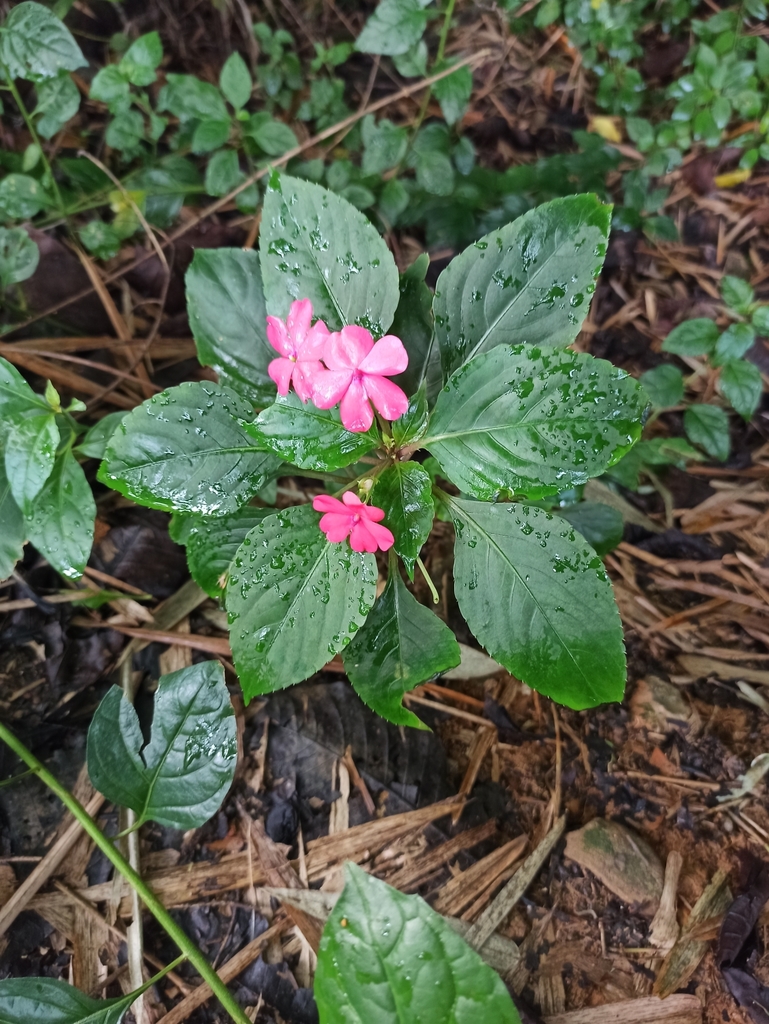
Impatiens
Sultana
Best for: Filling a space on a budget, in a home with pets
Elite tier: top-scoring on every measure
✓ Strong signal Light tolerance: Part to full shade; scorches and stalls in hot afternoon sun
⚠ Watch out for Sudden collapse, leaves fall, white fuzz on leaf undersides: usually impatiens downy mildew
Our take Impatiens is a forgiving shade annual that flowers non-stop from late spring to first frost and is genuinely one of the easiest bedding plants to grow. It needs part to full shade, consistently moist soil, and no deadheading at all.
Strengths
- Genuinely cheap to start
- Non-toxic to cats and dogs
- Beginner-friendly and forgiving of missed waterings
Trade-offs
- Watch for: sudden collapse, leaves fall, white fuzz on leaf undersides
Care details
| Light | Part to full shade; scorches and stalls in hot afternoon sun |
| Water | Keep consistently moist. Check daily in containers during summer; wilts dramatically when dry |
| Humidity | : |
| Temperature | 15-25°C (60-77°F); growth stops below 10°C (50°F) |
| Toxicity | Non-toxic to cats, dogs, horses and humans |
| US price | $2–$8 |
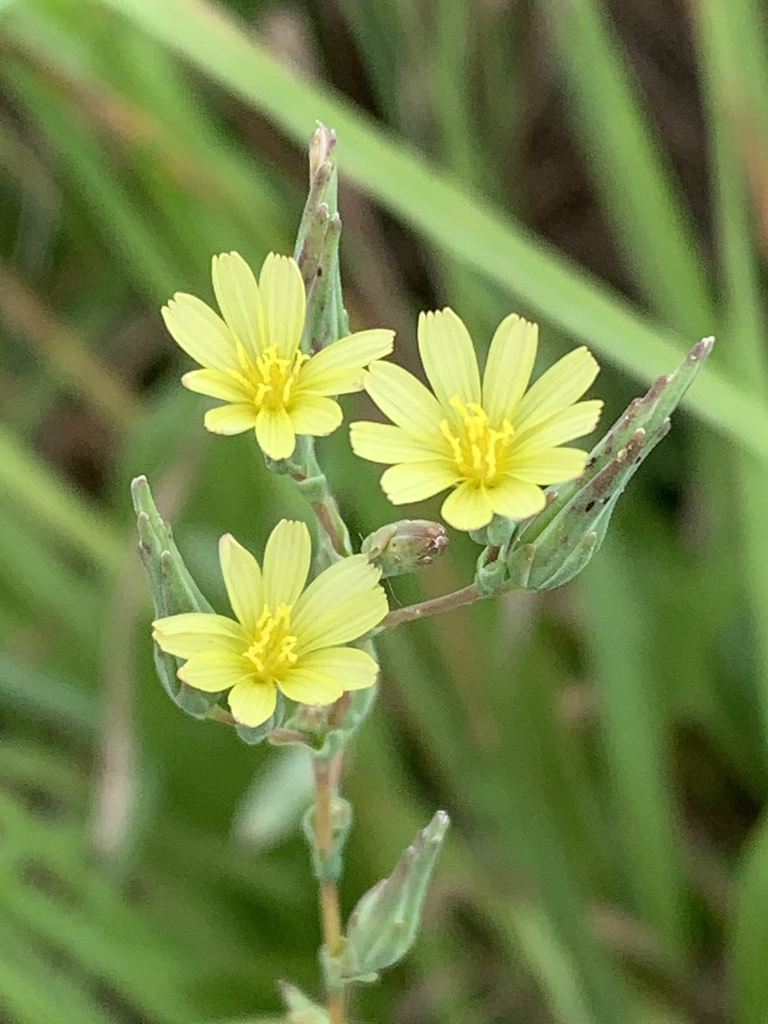
Lettuce
Lactuca sativa
Best for: Filling a space on a budget, in a home with pets
Elite tier: top-scoring on every measure
✓ Strong signal Light tolerance: Full sun in cool weather; afternoon shade keeps it going in warm spells
⚠ Watch out for Seedlings razed overnight, slime trails nearby: usually slugs and snails. lettuce is their favourite food in the entire garden
Our take Lettuce is the easiest vegetable for a beginner: shallow roots, tiny space needs, and baby leaves 30 days from sowing. Grow it cool (10-21°C), keep it moist, and sow a short row every two weeks instead of one big batch.
Strengths
- Genuinely cheap to start
- Non-toxic to cats and dogs
- Beginner-friendly and forgiving of missed waterings
Trade-offs
- Watch for: seedlings razed overnight, slime trails nearby
Care details
| Light | Full sun in cool weather; afternoon shade keeps it going in warm spells |
| Water | Little and often. Shallow roots dry out fast; even moisture keeps leaves sweet and crisp |
| Humidity | : |
| Temperature | Best at 10-21°C (50-70°F); germination stalls above 25°C soil and plants bolt in sustained heat |
| Toxicity | Edible and non-toxic to pets; bolted plants turn bitter but harmless |
| US price | $2–$4 |
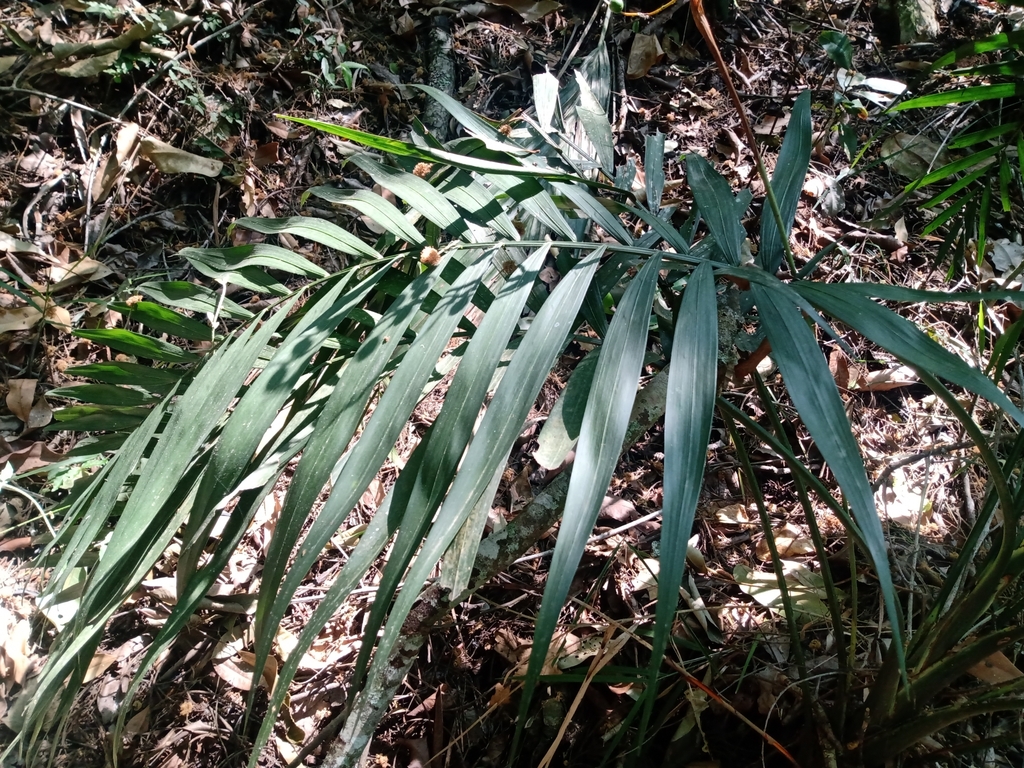
Parlor palm
Good luck palm
Best for: Filling a space on a budget, in a home with pets
Elite tier: top-scoring on every measure
✓ Strong signal Light tolerance: Bright indirect light is ideal; genuinely tolerates low light; avoid direct sun which yellows fronds
⚠ Watch out for Brown frond tips: usually dry air, tap water salts, or overfeeding
Our take The parlor palm is the easiest true palm to keep indoors: it tolerates low light, average humidity, and irregular watering, and it is completely pet-safe. It grows slowly to about 1-1.2m, wants water only when the top of the soil dries, and its main enemies are soggy soil and spi
Strengths
- Genuinely cheap to start
- Non-toxic to cats and dogs
- Beginner-friendly and forgiving of missed waterings
Trade-offs
- Watch for: brown frond tips
Care details
| Light | Bright indirect light is ideal; genuinely tolerates low light; avoid direct sun which yellows fronds |
| Water | When the top 2-3cm of soil dries, roughly every 7-10 days; less in winter |
| Humidity | Average home humidity is fine; higher humidity deters spider mites |
| Temperature | 18-27°C (65-80°F); keep above 10°C (50°F) |
| Toxicity | Non-toxic to cats, dogs, and humans |
| US price | $10–$25 |
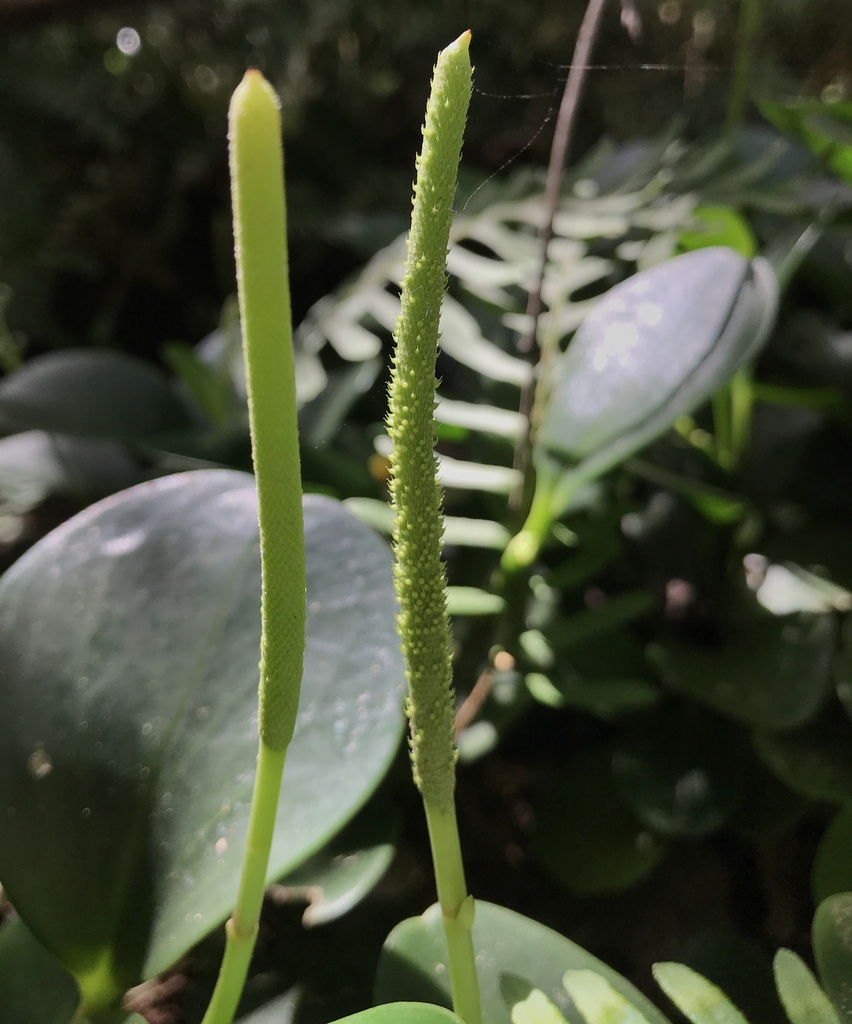
Peperomia
Peperomia obtusifolia
Best for: Filling a space on a budget, in a home with pets
Elite tier: top-scoring on every measure
✓ Strong signal Light tolerance: Bright, indirect light; tolerates medium light with slower growth
⚠ Watch out for Soft, mushy, translucent leaves: usually overwatering. the most common failure mode
Our take Peperomia is a compact, low-maintenance houseplant with thick, water-storing leaves similar to a succulent. Water only when the soil is mostly dry, keep it in bright indirect light, and avoid overwatering, which is the main way this plant fails.
Strengths
- Genuinely cheap to start
- Non-toxic to cats and dogs
- Beginner-friendly and forgiving of missed waterings
Trade-offs
- Watch for: soft, mushy, translucent leaves
Care details
| Light | Bright, indirect light; tolerates medium light with slower growth |
| Water | Every 10-14 days; let soil dry out substantially between waterings |
| Humidity | Tolerates average home humidity (30-40%) well |
| Temperature | 18-27°C (65-80°F); avoid below 13°C (55°F) |
| Toxicity | Non-toxic to cats, dogs, and humans |
| US price | $10–$20 |

Peperomia 'Frost'
Frost Peperomia
Best for: Filling a space on a budget, in a home with pets
Elite tier: top-scoring on every measure
✓ Strong signal Light tolerance: Bright indirect light, brighter than a plain green peperomia needs, because the silvery surface reflects much of the lig
⚠ Watch out for Long bare leaf stalks with the rosette opening up and flopping: usually insufficient light. frost's main failure mode, since it needs more light than green peperomias
Our take Frost is a Peperomia caperata selection whose leaves are overlaid with reflective silver tissue. Because that silvery layer reflects light away from the chlorophyll beneath, Frost needs brighter indirect light than a plain green peperomia and grows more slowly.
Strengths
- Genuinely cheap to start
- Non-toxic to cats and dogs
- Beginner-friendly and forgiving of missed waterings
Trade-offs
- Wants higher humidity than most homes provide
- Watch for: long bare leaf stalks with the rosette opening up and flopping
Care details
| Light | Bright indirect light, brighter than a plain green peperomia needs, because the silvery surface reflects much of the light away. No direct midday sun |
| Water | Every 7-14 days, only when the top half of the pot is dry. The deep leaf corrugations trap water, so water at the soil, not over the foliage |
| Humidity | 40-50%; average room humidity is fine |
| Temperature | 18-26°C (65-79°F); keep above 12°C |
| Toxicity | Non-toxic to cats, dogs and humans |
| US price | $8–$22 |
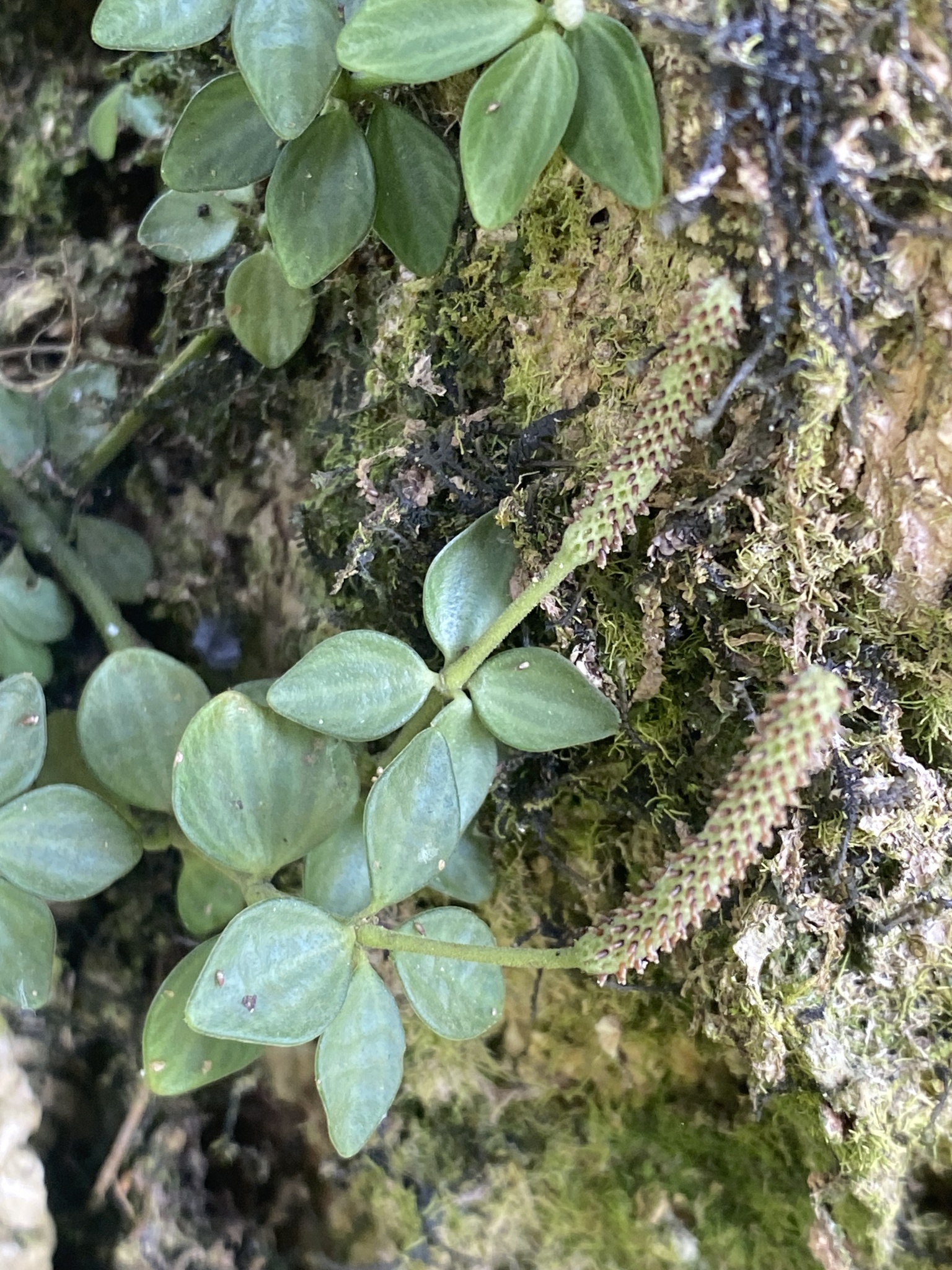
Peperomia 'Hope'
Acorn Peperomia
Best for: Filling a space on a budget, in a home with pets
Elite tier: top-scoring on every measure
✓ Strong signal Light tolerance: Bright indirect light. In low light the internodes stretch and the tidy whorls space out into a sparse vine
⚠ Watch out for Long bare stems with widely spaced whorls: usually insufficient light causing the internodes to stretch
Our take Hope is the trailing peperomia: thick coin-shaped leaves in whorls of three or four on stems that reach 30-45cm. It is a hybrid, not a species, so it is propagated only from cuttings.
Strengths
- Genuinely cheap to start
- Non-toxic to cats and dogs
- Beginner-friendly and forgiving of missed waterings
Trade-offs
- Watch for: long bare stems with widely spaced whorls
Care details
| Light | Bright indirect light. In low light the internodes stretch and the tidy whorls space out into a sparse vine |
| Water | Every 10-14 days, longer than for broad-leaved peperomias, because the thick coin leaves store water. Let the pot dry out most of the way first |
| Humidity | 40%+; ordinary room humidity is fine and no misting is needed |
| Temperature | 18-26°C (65-79°F); keep above 12°C |
| Toxicity | Non-toxic to cats, dogs and humans |
| US price | $10–$25 |
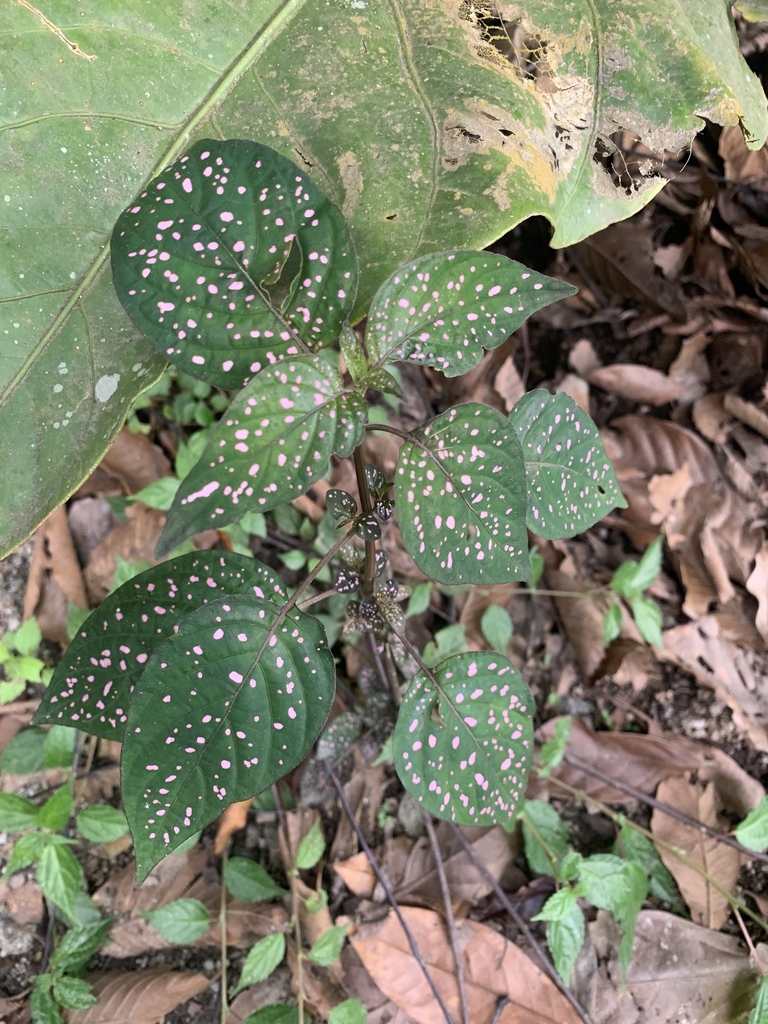
Polka Dot Plant
Confetti plant
Best for: Filling a space on a budget, in a home with pets
Elite tier: top-scoring on every measure
✓ Strong signal Light tolerance: Bright indirect light; the speckling fades in shade and bleaches in direct sun
⚠ Watch out for Whole plant collapsed and limp: usually the pot dried out
Our take The polka dot plant is an easy, cheap, colourful little plant that is non-toxic to cats and dogs, which makes it a good pick for a pet household. Two things to know: it needs bright indirect light to keep its speckles (in shade it reverts towards plain green), and it wilts fast w
Strengths
- Genuinely cheap to start
- Non-toxic to cats and dogs
- Beginner-friendly and forgiving of missed waterings
Trade-offs
- Wants higher humidity than most homes provide
- Watch for: whole plant collapsed and limp
Care details
| Light | Bright indirect light; the speckling fades in shade and bleaches in direct sun |
| Water | Every 3-5 days; keep evenly moist and do not let the pot dry out fully |
| Humidity | 50%+ preferred; browning leaf tips are the first sign the air is too dry |
| Temperature | 18-27°C (65-80°F); keep above 13°C (55°F) |
| Toxicity | Non-toxic to cats, dogs and humans |
| US price | $5–$12 |
Stop guessing whether that corner is bright enough
Sodate measures the actual light where your plant sits and builds its watering schedule from that reading and your season, not a fixed interval. Currently in development.
See Sodate: coming soonWhat to check before buying
- Ask where the plant was grown. Greenhouse-grown stock looks perfect for weeks on stored energy before it shows dim-room stress
- Check leaf spacing on the stem: wide gaps mean it was already stretching for light before you bought it
- Choose plain-green over variegated for genuinely dim spots. Variegated leaves have less chlorophyll and need more light
- Inspect leaf undersides and stem joints for pests, which spread faster on plants stressed by low light
- Confirm pet toxicity yourself if you have cats or dogs, rather than relying on shelf labels
Red flags to walk away from
- Variegated versions at several times the price of the plain form. Variegated plants also need more light and grow more slowly.
- Small plants in oversized decorative pots. You are paying for ceramic, and the plant is likely to sit wet in too much soil.
- Trend pricing. Several plants on this list sold for many times their current price during their fashionable years, and nothing about the plant changed.
- 'Pet-friendly' applied to a whole plant family. Toxicity varies by species, and family-level claims are how people buy a toxic plant by mistake.
Best time to buy
Late summer and early autumn, when garden centres clear stock before winter, is when this group is discounted hardest. Check the roots and the growing point rather than the leaves, because end-of-season plants are often tatty on top and perfectly healthy below.
Frequently asked questions
Why are some houseplants so expensive?
Rarity, slow propagation and demand cycles, not quality of care. A plant that is slow to propagate commercially stays expensive; one that roots from a cutting in three weeks does not.
Is a cheap plant a lower-quality plant?
No. Most of the cheapest plants here are cheap precisely because they are vigorous and propagate easily, which are the same traits that make them forgiving to own.
Where is the cheapest place to buy plants?
Cuttings from someone who already owns one, which cost nothing. After that, general nurseries and supermarkets undercut specialist plant shops substantially on the common species listed here.
Does non-toxic mean my cat can eat it?
No. It means ingestion is not expected to cause poisoning. Any plant eaten in quantity can cause vomiting or a blockage, and the fibrous leaves of several plants here will do exactly that.
Which common houseplants are the dangerous ones?
Peace lily, pothos, philodendron, dieffenbachia, dracaena and most aroids are toxic if chewed, and lilies are severely dangerous to cats specifically. None of them appear on this list.
Limitations of this ranking
Stated plainly, so you can judge how much weight to give it:
- No physical testing. Nothing here was grown, timed or measured by us. Every score is computed from the structured care data on this site, which is compiled from the botanical and horticultural sources listed below.
- Prices are researched ranges, not live quotes. They are typical retail for a standard starter size and will drift. Each plant profile carries the regional breakdown for five countries.
- Scores are relative to this directory, which holds 208 profiles. A plant absent from the directory cannot appear here, so this is not a claim about every plant in existence.
- Care data is species-level. Your light, your water and your home will move any of these plants up or down more than the gap between adjacent ranks.
- No credentialed horticulturist has reviewed this. These pages are compiled and edited against a published rubric and cited sources. Where a claim matters, the source is linked below so you can check it rather than take it on authority. Our review panel page lists every section that has no expert reviewer yet and the credential we require to fill it.
Sources
Of the 208 plant profiles in this directory, 64 meet the entry bar for cheap pet-safe plants (31%). 15 of the 15 ranked here are non-toxic to cats and dogs, and the median entry price across the list is $5.
- ASPCA Toxic and Non-Toxic Plant List. Species-level toxicity to cats and dogs, used for every pet-safety score.
- GBIF (Global Biodiversity Information Facility). Accepted botanical names and taxon identifiers for every profile.
- iNaturalist. Source of the CC-licensed photographs, with photographer and licence credited per image.
- RHS Plant Finder. UK cultivation guidance, hardiness ratings and cultivar naming.
- Missouri Botanical Garden Plant Finder. Cross-checked culture notes, mature size and problem diagnosis.
Editorial disclosure: no plant on this page is sponsored, and Sodate takes no payment, commission or affiliate revenue for placement. Rankings are generated from the data by the scoring code in this site's repository, not chosen by hand. Published , last updated .